
The 7-Day High Blood Pressure Diet Plan (DASH Approved)
Medical Disclaimer: The content provided in this article is for informational purposes only. It is not intended to be a substitute for professional medical advice, diagnosis, or treatment. Always seek the advice of your physician or other qualified health provider with any questions you may have regarding a medical condition. Never disregard professional medical advice or delay in seeking it because of something you have read on this website.
Did you recently leave the doctor’s office with a warning about your numbers? Perhaps you saw the reading on the monitor—140 over 90, or maybe even higher—and felt a knot of worry in your stomach.
Or maybe you are simply trying to get healthy, but the idea of a “heart-healthy diet” sounds absolutely miserable.
We get it. It is a common fear. Most people think a high blood pressure diet means a life sentence of eating flavorless steamed vegetables, chewing on dry salads, and giving up everything they love. They imagine saying goodbye to flavor and hello to “cardboard” food.
But here is the good news: That is not true.
You do not have to starve, and you definitely do not have to hate your food. Lowering your blood pressure is not just about taking things away; it is about adding the right foods to your plate.
In this comprehensive guide, we are going to walk you through a simple, scientifically proven way to eat. It is called the DASH method. We have also included a detailed, step-by-step 7-day meal plan to get you started. It is affordable, easy to cook, and yes—it actually tastes good.
You are about to learn how to heal your body using the grocery store as your pharmacy. Ready to take control of your health? Let’s dive in.
Understanding the “Silent Killer”: What is High Blood Pressure?
Before we talk about food, we need to understand what is happening inside your body. Why do doctors call high blood pressure (hypertension) the “Silent Killer”?
It is because you can’t feel it. You can walk around with dangerously high numbers for years without a single headache or symptom. But inside, damage is being done.
The Garden Hose Analogy
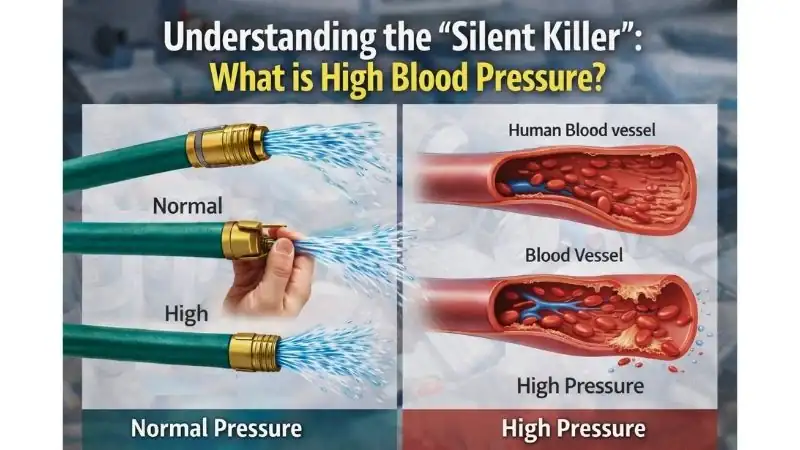
Imagine a garden hose. When you turn the water on, it flows out smoothly. But what happens if you pinch the hose? The pressure builds up. The water pushes harder against the walls of the rubber hose. If the pressure gets too high, the hose might leak or burst.
Your blood vessels are like that garden hose.
- Normal Pressure: Blood flows easily, delivering oxygen to your brain and heart.
- High Pressure: Your heart has to pump harder to push blood through stiff or narrowed vessels. This constant pounding damages the delicate walls of your arteries.
If left untreated, this pressure can lead to heart attacks, strokes, and kidney damage. But the food you eat can help “un-pinch” the hose.
What is the DASH Diet? (And Why Doctors Love It)
You will see the term “DASH” a lot in this article. It stands for Dietary Approaches to Stop Hypertension.
This isn’t a trendy fad diet found on social media. It was developed by the National Institutes of Health (NIH) and has been tested in huge medical studies. The Results: Studies have shown that people who follow the DASH diet can lower their blood pressure by a significant amount in just two weeks.
How Does It Work?
The DASH diet focuses on portion size and eating a variety of foods to get the right nutrients. It is not about cutting out carbs or fasting for 16 hours. It is about balance.
The DASH Goals:
- Low Sodium: Reducing salt to stop water retention.
- High Potassium: To help relax blood vessels.
- High Magnesium & Calcium: To support heart muscle function.
- Low Saturated Fat: To keep cholesterol down.
The best part? It is flexible. You can follow DASH whether you are a vegetarian, gluten-free, or a meat-eater.
The 4 “Hero Nutrients” That Lower Blood Pressure
Most people focus entirely on salt. They think, “If I just stop using the salt shaker, I will be fine.” While cutting salt is critical, a true high blood pressure diet requires three other heroes to get the job done. Think of your body as a construction site. Salt is the debris blocking the road. These three nutrients are the cleanup crew.
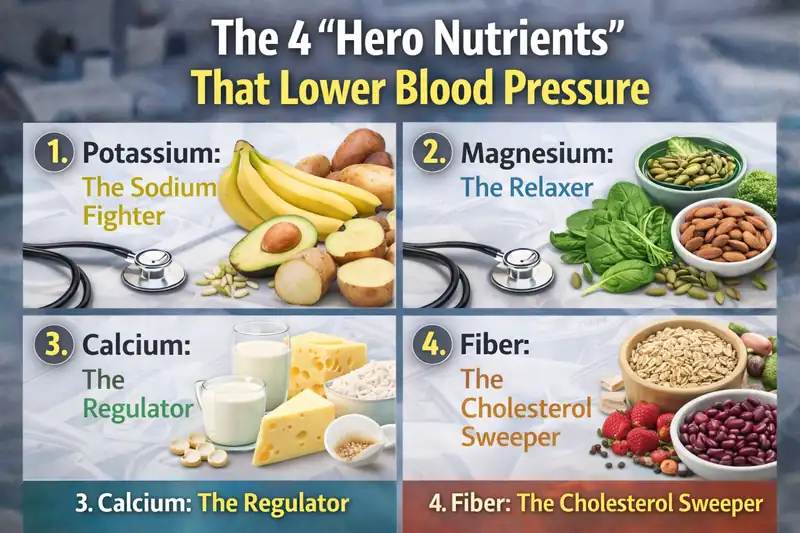
1. Potassium: The Sodium Fighter
Potassium is the most important nutrient for blood pressure. It works like a see-saw with sodium.
- The Mechanism: Your kidneys filter your blood. When you have too much salt, your kidneys hold onto water to dilute it. This extra water increases your blood volume (more pressure). Potassium tells your kidneys, “Hey, let’s get rid of this salt.”
- The Result: You pee out more sodium, and your blood pressure drops.
- Where to find it: Bananas, sweet potatoes, spinach, white beans, and avocados.
2. Magnesium: The Relaxer
Magnesium is a mineral that helps your blood vessels relax.
- The Mechanism: Think of tight muscles. When your blood vessels are “tight” or constricted, blood has a hard time getting through. Magnesium acts as a natural muscle relaxer for your arteries, allowing them to open up (dilate).
- The Result: Wider vessels mean lower pressure.
- Where to find it: Almonds, pumpkin seeds, dark chocolate (yes, really!), and leafy greens.
3. Calcium: The Regulator
We usually think of calcium for strong bones, but your heart needs it too.
- The Mechanism: Calcium helps the smooth muscles in your blood vessels contract and relax properly. Without enough calcium, that regulation gets thrown off.
- The Result: Smoother blood flow.
- Where to find it: Skim milk, low-fat yogurt, sardines, and tofu.
4. Fiber: The Cholesterol Sweeper
Fiber is the roughage found in plants.
- The Mechanism: Fiber acts like a scrub brush in your digestive system. It binds to bad cholesterol and removes it from the body before it can clog your arteries.
- The Result: Cleaner, more flexible arteries that are less prone to hardening.
- Where to find it: Oatmeal, apples (with skin), lentils, and whole-wheat bread.
Important: Safety Precautions & Side Effects
Before we give you the food lists and meal plans, we must pause for safety. While eating vegetables and fruits is safe for 99% of people, there are specific groups who need to be careful with a high blood pressure diet.
Please read this section carefully.
The Kidney Connection
This diet is very high in potassium.
- The Risk: If you have Chronic Kidney Disease (CKD), your kidneys may not be able to filter out excess potassium. High potassium levels in the blood (hyperkalemia) can be dangerous and cause irregular heartbeats.
- The Action: If you have kidney issues, you must speak to your doctor or a renal dietitian before increasing your fruit and veggie intake heavily.
The “Too Low” Warning (Hypotension)
If you are currently taking blood pressure medication (like Lisinopril or Amlodipine), this diet will make those drugs work better.
- The Risk: Your blood pressure might drop too low. This is called hypotension. You might feel dizzy when you stand up, lightheaded, or unusually tired.
- The Action: Monitor your blood pressure at home. If you see your numbers dropping consistently, call your doctor. They may need to lower your medication dosage—which is a great victory!
Gut Health Adjustment
If you are used to eating white bread and processed food, your body isn’t used to fiber.
- The Side Effect: You might experience bloating or gas in the first few days.
- The Action: Drink plenty of water. Water helps fiber move through your system smoothly. Start slowly and ramp up the fiber over the course of the week.
The “Red Light” List: Foods That Spike Your Blood Pressure
You might think you are eating healthy because you skipped the French fries. But sodium is a master of disguise. It hides in bread, sauces, and even “healthy” deli meats.
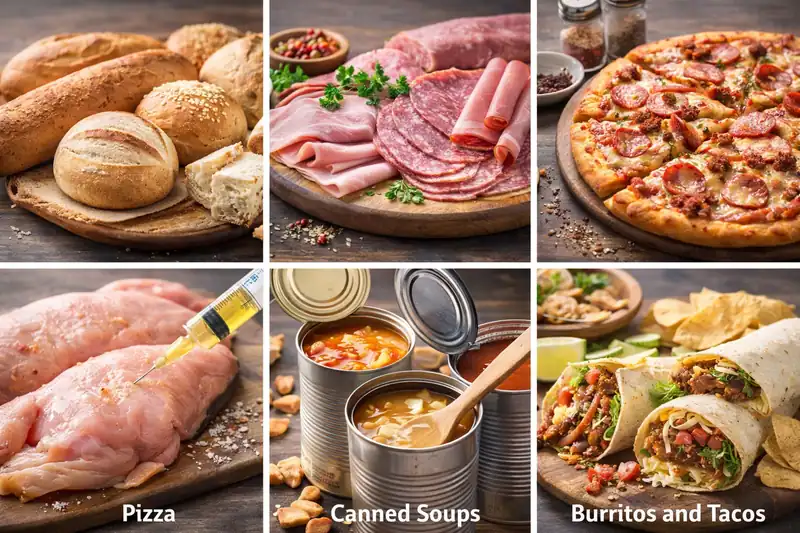
The American Heart Association calls these the “Salty Six.” These are the foods that contribute the most sodium to the average person’s diet. If you want to see results, these are the first things you need to limit.
1. Breads and Rolls
One slice of bread doesn’t seem salty. But who eats just one slice? Between toast at breakfast, a sandwich at lunch, and a roll at dinner, the sodium adds up fast.
- The Trap: Processed white bread uses salt to control the yeast and add flavor.
- The Swap: Look for “low-sodium” whole-grain bread or use lettuce wraps for your burgers.
2. Cold Cuts and Cured Meats
This is the single biggest offender. Deli meat is essentially meat soaked in a salt bath to preserve it.
- The Trap: Six thin slices of turkey deli meat can contain half of your daily sodium limit. Salami, pepperoni, and bacon are even worse.
- The Swap: Roast your own chicken breast or turkey on Sunday and slice it for the week.
3. Pizza
It is the perfect storm: salty dough, salty tomato sauce, salty cheese, and salty toppings (pepperoni/sausage).
- The Trap: One slice of pepperoni pizza can have more salt than you should eat in an entire meal.
- The Swap: Make your own (recipe included later in this guide!) using a whole-wheat pita, fresh veggies, and just a sprinkle of cheese.
4. Poultry (The “Injected” Kind)
Chicken is healthy, right? Not always.
- The Trap: Many raw chicken breasts sold in supermarkets are injected with a sodium solution to make them look plump and juicy. This is often labeled as “broth,” “saline,” or “natural flavor.”
- The Swap: Read the label carefully. It should just say “Chicken.” If the sodium content is above 70mg per serving, put it back.
5. Canned Soups
Soup feels comforting and healthy, but canned soup is a sodium bomb.
- The Trap: One can of chicken noodle soup can contain up to 2,000mg of sodium—that is your entire day’s allowance in one bowl.
- The Swap: Make a big batch of homemade vegetable soup and freeze it. If you must buy canned, only buy those labeled “Low Sodium” or “Heart Healthy” (and still check the label!).
6. Burritos and Tacos
We love Taco Tuesday, but the seasoning packets and tortillas are loaded with salt.
- The Trap: A restaurant burrito can easily hit 3,000mg of sodium thanks to the rice, beans, cheese, and salsa.
- The Swap: Make taco bowls at home. Skip the tortilla, use brown rice, and season your meat with cumin, chili powder, and garlic instead of a pre-made packet.
The “Green Light” Pantry: What to Stock Up On
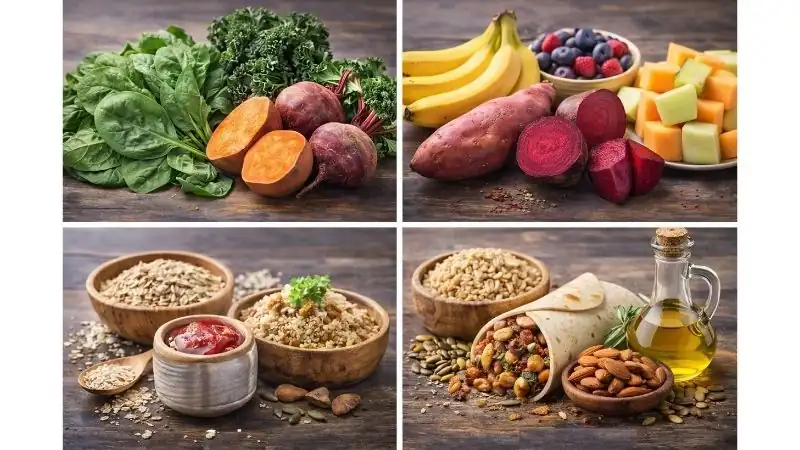
Now that we have cleared out the bad stuff, let’s fill your kitchen with the good stuff. These are the staples you should always have on hand for a high blood pressure diet.
The “Power” Vegetables
- Spinach & Kale: Buy them fresh or frozen. Frozen spinach is a cheap, easy way to add potassium to soups and omelets.
- Sweet Potatoes: A potassium super-food. They are shelf-stable and delicious simply roasted.
- Beets: Studies suggest that drinking beet juice can lower blood pressure quickly due to natural nitrates that open blood vessels.
The Best Fruits
- Bananas: The classic potassium snack.
- Berries: Fresh ones are great, but frozen berries are cheaper and just as nutritious for smoothies or oatmeal.
- Melon: Cantaloupe and watermelon are hydrating and potassium-rich.
The Heart-Healthy Grains
- Old-Fashioned Oats: Not the “instant” packets with added sugar.
- Quinoa: A high-protein grain that cooks fast.
- Brown Rice: Better than white rice for fiber.
The “Good” Fats
- Unsalted Nuts: Walnuts, almonds, and pistachios. (Key word: Unsalted).
- Seeds: Flaxseeds and chia seeds are great to sprinkle on yogurt.
- Olive Oil: Use this instead of butter for cooking.
Dining Out Survival Guide: How to Eat at Restaurants
Socializing doesn’t stop just because you are watching your blood pressure. You can still eat out, but you need a strategy. Restaurants want food to taste good, so they over-salt everything.
Here is your cheat sheet for different cuisines:
General Rules for Any Restaurant
- Skip the Bread Basket: It is empty calories and hidden salt. Send it back.
- Sauce on the Side: Always. This gives you control. Dip your fork in the sauce, then pick up the food. You will use half as much.
- The “Steam” Request: Ask for your veggies to be steamed with no added salt or butter.
Italian Restaurants
- Avoid: Creamy sauces (Alfredo), processed meats (pepperoni, sausage), and garlic bread.
- Order This: Grilled fish or chicken with a side of steamed broccoli. Pasta with marinara sauce (ask for light sauce) and a big salad with oil and vinegar on the side.
Asian / Chinese Restaurants
- Avoid: Anything breaded and fried (Sweet and Sour Chicken), Soy Sauce (it is liquid salt!), and MSG.
- Order This: Steamed Buddha’s Delight (veggies and tofu) or steamed chicken with broccoli. Ask for “No MSG” and “Sauce on the side.” Use a tiny bit of low-sodium soy sauce if you have to, or better yet, ask for chili oil for flavor.
Mexican Restaurants
- Avoid: The chips and salsa (they are addictive and salty), refried beans (often made with lard/salt), and giant burritos.
- Order This: Grilled fish tacos (corn tortillas are usually lower in sodium than flour). Ask for a side of black beans (whole, not refried) and extra pico de gallo.
American / Steakhouse
- Avoid: Ribeye steaks (high fat), mashed potatoes (loaded with butter/salt), and onion rings.
- Order This: Sirloin or Filet Mignon (leaner cuts), grilled plain. A baked potato with sour cream on the side (skip the bacon bits). A large salad.
Your Detailed 7-Day High Blood Pressure Meal Plan
We have designed this menu to be simple, affordable, and delicious. You don’t need to be a master chef to follow it.
The Golden Rule: Drink at least 8 glasses of water daily. Hydration helps keep your blood volume stable.
Day 1: The Fresh Start (Focus on Potassium)
Today is about flooding your system with potassium to start flushing out sodium.
- Breakfast: Oatmeal with Walnuts & Banana. Cook ½ cup of old-fashioned oats with water or skim milk. Top with one sliced banana and a tablespoon of chopped walnuts. (Dust with cinnamon, no sugar!).
- Lunch: Turkey & Avocado Wrap. Use a whole-wheat tortilla. Fill it with 3 slices of low-sodium roast turkey, ¼ avocado (mashed), plenty of spinach, and tomato slices.
- Snack: One medium orange and a handful of unsalted almonds.
- Dinner: Grilled Chicken & Sweet Potato. 4 oz grilled chicken breast seasoned with herbs. One medium baked sweet potato (eat the skin!) with a dab of Greek yogurt instead of sour cream. Steamed green beans.
- Why This Works: The banana, avocado, orange, and sweet potato are all “Potassium All-Stars,” giving your kidneys the tools they need to detox salt.
Day 2: The “Green Machine” (Magnesium Boost)
Today we focus on leafy greens and seeds to relax those blood vessels.
- Breakfast: Spinach & Berry Smoothie. (Recipe included below in the recipe section!).
- Lunch: Lentil Soup & Salad. A bowl of low-sodium lentil soup. Serve with a side salad of mixed greens, cucumber, and a vinaigrette dressing (olive oil + lemon juice).
- Snack: A cup of low-fat yogurt with a tablespoon of chia seeds or flaxseeds mixed in.
- Dinner: Vegetable Stir-Fry. Tofu or lean beef strips stir-fried with broccoli, snap peas, bell peppers, and bok choy. Serve over brown rice. Use ginger and garlic for flavor, not salt.
- Why This Works: Dark leafy greens like spinach and bok choy are high in magnesium, which acts as a natural vasodilator (opens blood vessels).
Day 3: Dairy Defense (Calcium Load)
Calcium helps regulate the constriction and relaxation of blood vessels.
- Breakfast: Greek Yogurt Parfait. 1 cup plain non-fat Greek yogurt layered with ½ cup blueberries and ¼ cup low-sugar granola.
- Lunch: Tuna Salad Boats. Mix one can of tuna (rinsed to remove salt) with a little olive oil or low-fat mayo, celery, and lemon juice. Scoop into large Romaine lettuce leaves. Serve with an apple.
- Snack: String cheese (check label for lower sodium) and a pear.
- Dinner: Baked White Fish. 4 oz of Cod or Tilapia baked with lemon slices. Serve with roasted asparagus and ½ cup of quinoa.
- Why This Works: Dairy is the easiest source of calcium. By choosing low-fat options, you get the mineral benefits without the saturated fat that clogs arteries.
Day 4: The Meatless Miracle (Fiber Focus)
Going meatless once a week reduces saturated fat intake significantly.
- Breakfast: Whole Wheat Toast with Peanut Butter. Two slices of toast with natural peanut butter (ingredients should just be peanuts and salt—or no salt!).
- Lunch: Mediterranean Quinoa Salad. (Recipe included below!).
- Snack: Carrot sticks and hummus.
- Dinner: Black Bean Burrito Bowl. ½ cup black beans (rinsed), ½ cup brown rice, sautéed peppers and onions, and fresh salsa (tomatoes, onions, cilantro, lime). Top with a dollop of Greek yogurt.
- Why This Works: Beans and lentils are incredible sources of soluble fiber, which actively lowers bad cholesterol levels.
Day 5: Fish Friday (Omega-3s)
Omega-3 fatty acids reduce inflammation in the arteries.
- Breakfast: Veggie Scramble. 2 eggs scrambled with diced tomatoes, spinach, and mushrooms. One slice of whole-wheat toast.
- Lunch: Leftover Burrito Bowl from last night.
- Snack: A peach or two plums.
- Dinner: Salmon with Dill. (Recipe included below!). Serve with wild rice and roasted Brussels sprouts.
- Why This Works: Fatty fish like salmon are the gold standard for heart health. The Omega-3s help prevent plaque buildup in your arteries.
Day 6: Healthy Comfort Food
Yes, you can have “fun” food on a diet!
- Breakfast: Whole Grain Pancakes. Top with fresh strawberries. Skip the syrup; use a little warm fruit compote or just the fruit itself.
- Lunch: Grilled Cheese & Tomato Soup. Use whole-grain bread and one slice of Swiss cheese (which is naturally lower in sodium than American cheese). Serve with low-sodium tomato soup.
- Snack: Air-popped popcorn seasoned with garlic powder and nutritional yeast (cheesy flavor without the cheese!).
- Dinner: Homemade Pizza Night. Use a whole-wheat pita as the crust. Top with low-sodium marinara, plenty of veggies (peppers, onions, mushrooms), and a sprinkle of mozzarella. Bake until crispy.
- Why This Works: Deprivation leads to quitting. By making healthier versions of favorites like pizza, you stick to the lifestyle long-term.
Day 7: The “Clean Out the Fridge” Feast
Simple, easy, and virtually zero waste.
- Breakfast: Overnight Oats. Oats soaked overnight in milk with chia seeds and a drop of vanilla extract. Ready to eat when you wake up!
- Lunch: The “Everything” Salad. Toss all your leftover veggies (roasted or fresh) from the week into a bowl with greens. Add a hard-boiled egg for protein.
- Snack: Sliced bell peppers.
- Dinner: Roast Chicken Dinner. Roast a whole chicken (remove skin before eating). Serve with roasted carrots and potatoes. Save the carcass to make your own low-sodium stock!
- Why This Works: Cooking at home is the #1 way to control sodium. This day proves that “leftovers” can be just as healthy as fresh meals.
Reading a meal plan is one thing; cooking it is another. Here are go-to recipes that are simple, quick, and DASH-approved.
Frequently Asked Questions (FAQ)
We know you might still have a few questions. Here are the most common things people ask when starting this journey.
Conclusion
Taking control of your health doesn’t mean your life is over. It just means you are starting a new, healthier chapter.
This high blood pressure diet isn’t about deprivation; it is about nourishment. By enjoying tasty fruits, hearty grains, and lean proteins, you are giving your heart the break it deserves. You are feeding your body the tools (potassium, magnesium, calcium) it needs to heal itself.
Remember, you don’t have to be perfect. If you have a salty meal one day, don’t give up. Just drink some water and get back on track the next morning. Small, consistent choices add up to big results over time.
Your Challenge: Try “Day 1” of the meal plan tomorrow. That’s it. Just one day. See how you feel. Your heart (and your future self) will thank you!
Ready to learn more? Read our complete guide on managing blood pressure levels naturally for more tips.
- National Heart, Lung, and Blood Institute (NHLBI) https://www.nhlbi.nih.gov/education/dash-eating-plan
- Mayo Clinic https://www.mayoclinic.org/healthy-lifestyle/nutrition-and-healthy-eating/in-depth/dash-diet/art-20048456
- American Heart Association (AHA) https://www.heart.org/en/health-topics/high-blood-pressure/changes-you-can-make-to-manage-high-blood-pressure/managing-blood-pressure-with-a-heart-healthy-diet
- Cleveland Clinic https://my.clevelandclinic.org/health/articles/16037-dash-diet
- Harvard T.H. Chan School of Public Health https://www.hsph.harvard.edu/nutritionsource/salt-and-sodium/
Trust in your purchase:
Every product featured on our site has been carefully researched and selected based on quality, customer ratings, and positive reviews to ensure you receive excellent value for your money.
Please note:
This post contains affiliate links. If you make a purchase through these links, we may earn a small commission at no additional cost to you. This helps support our site and allows us to continue bringing you valuable content. Thank you!
Thank you for your precious time spent with NobleHomeRemedies.
You may also like:

Doctor Natural Remedies
Natural remedies have been a cornerstone of wellness for millennia, passed down through generations in…
Keto Breakfast Recipes
Keto Breakfast Recipes: Easy & Delicious Ideas for Mornings Starting your day right is always…
Beetroot salad recipes
Beetroot Salad Recipes: For Gut Health & Reduce Swelling Key takeaway: Beetroot salads can support…
Beetroot smoothie recipes
5 Revitalizing Beetroot Smoothie Recipes for Morning Energy and Healing Do you wake up feeling…

Oxytocin Benefits and Side Effects
Oxytocin Benefits and Side Effects You Ever Want to Know Everybody catches the love bug…
Breakfast Recipes for High Blood Pressure
7/20 Delicious Low Sodium Breakfast Recipes for High Blood Pressure (Part 1: Breakfasts) Medical Disclaimer:…