
The Best Anti-Inflammatory Beetroot Juice Recipe (Juicer & Blender Methods)
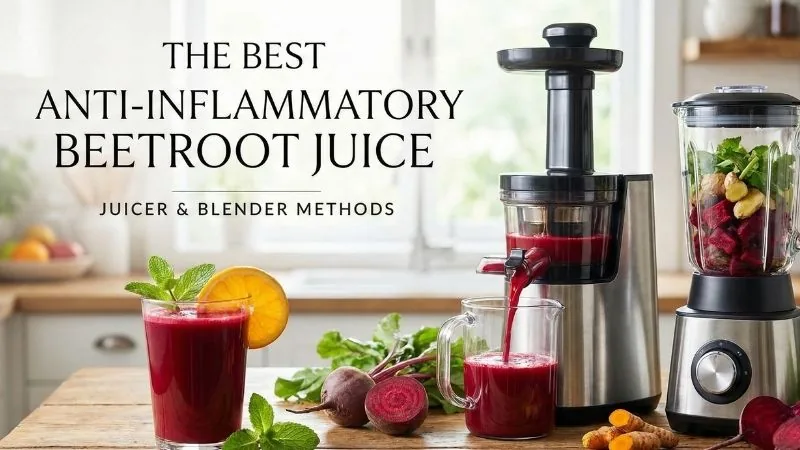
Many people are looking for healthy juice recipes to help their bodies feel better. If you struggle with joint pain, swelling, or just feeling “puffy,” you are not alone. One of the best ways to fight these feelings is by using natural anti-inflammatory recipes. Among all the options, one drink stands out as “liquid gold”: beetroot juice.
A simple beetroot juice recipe is more than just a colorful drink. It is a powerful tool for your health. Beets contain special pigments called betalains. These help “cool down” inflammation inside your body. Whether you are an athlete looking for more energy or someone who wants to support their gut health, this juice can help.
The best part? You don’t need a fancy kitchen to start. We will show you how to make healthy juice drinks using two common tools: a juicer and a blender. This means anyone can enjoy cold-pressed juice recipes at home without stress. This guide is part of our healthy cooking recipes series, designed to help you use food as medicine.
In this article, you will learn why this deep red root is so special and how to make the perfect healthy drink recipes that actually taste good. Let’s look at how you can turn a simple vegetable into a healing tonic for your body.
Why Beetroot Juice Works for Inflammation
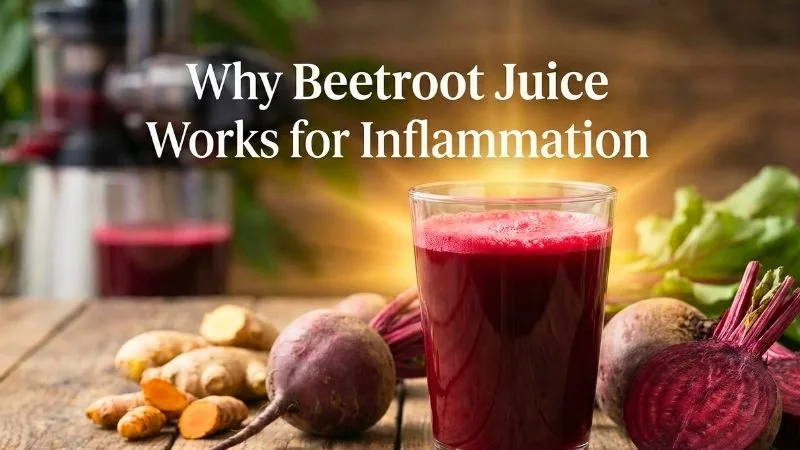
To understand why a beetroot juice recipe is so good for you, we have to look at what happens inside the body. Inflammation is like a small fire inside your cells. Sometimes, this fire is good because it helps heal a cut. But when the fire stays lit for too long, it causes pain and tiredness. Beetroot juice helps “put out” that fire.
The Power of Betalains
The bright red color of a beet comes from something called betalains. These are not just for looks! Betalains are strong antioxidants. They hunt down “free radicals,” which are tiny things that damage your cells and cause swelling. By drinking healthy juice drinks made from beets, you are sending a team of helpers into your blood to stop this damage.
Nitric Oxide and Blood Flow
Beets are also famous for having nitrates. When you drink this juice, your body turns nitrates into nitric oxide.
- What it does: It helps your blood vessels relax and open up.
- Why it helps inflammation: When blood flows better, it can carry nutrients to your joints and muscles faster. It also carries away waste that causes pain. This is why many anti-inflammation recipes include beets to help with sore muscles and heart health.
Keeping the Body Balanced
Beetroot is a great addition to cooking recipes and healthy routines because it supports the liver. Your liver is like a filter. If the filter is clean, your body has less inflammation. Beetroot juice helps the liver stay clean so it can do its job.
Many indian cooking recipes use high heat to create delicious flavors, but for this specific tonic, we keep the ingredients raw. In Indian wellness traditions, drinking raw juices is a time-tested way to keep the ‘Prana’ or life-force of the plant alive. This makes cold-pressed juice recipes very effective because you aren’t using heat that might destroy delicate vitamins.
When you choose healthy juice recipes like this one, featuring roots commonly found in an Indian kitchen, you are giving your body a fast and easy way to absorb ‘liquid medicine’ just as nature intended.
The “Power-Up” Ingredients (Anti-Inflammatory Synergy)
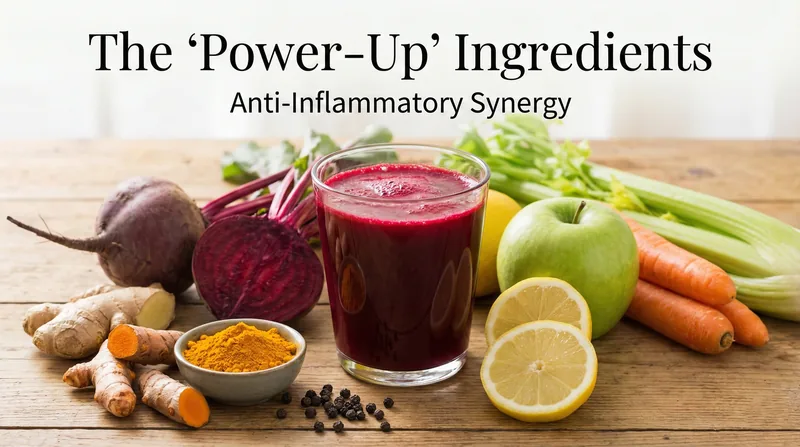
When you make a beetroot juice recipe, you can add other plants to make it even stronger. This is called “synergy.” Synergy means that two things work together more effectively than they do alone. By adding a few specific ingredients, you transform a simple drink into one of the most potent anti-inflammatory recipes available.
Here are the best “power-up” ingredients to add to your healthy juice recipes:
Ginger: The Digestive Hero
Ginger is a root that has been used for a long time in indian cooking recipes and natural medicine. It contains a compound called gingerol. Gingerol is famous for reducing joint pain and muscle soreness. It also helps your stomach digest the juice easily.
Turmeric & Black Pepper: The Ultimate Duo
Turmeric is the bright yellow spice often found in cooking recipes and healthy meals. It contains curcumin, which is one of the strongest natural anti-inflammatories in the world.
- The Secret Tip: Always add a tiny pinch of black pepper. Black pepper helps your body absorb the turmeric 2,000% better! Without it, the turmeric might just pass through your body without helping.
Lemon or Lime: The Vitamin C Boost
Adding citrus does two things. First, it adds Vitamin C, which helps your body repair tissues. Second, the sour taste helps balance the “earthy” or “dirt-like” taste that some people dislike about beets. This makes your healthy juice drinks taste fresh and bright.
Green Apple or Carrot: Natural Sweetness
If you want healthy drink recipes that taste good for the whole family, add an apple or a carrot. They add natural sweetness without using refined sugar. Carrots are also great for your skin and eyes, making your juice even more nutritious.
Celery: The Hydration King
Many cold-pressed juice recipes include celery because it is full of water and natural salts. Celery helps reduce bloating and keeps your body hydrated. When your cells are hydrated, they can fight inflammation much more easily.
By mixing these ingredients, you are not just making a drink. You are making a specialized tool to help your body feel its best.
Selecting and Preparing Your Beets
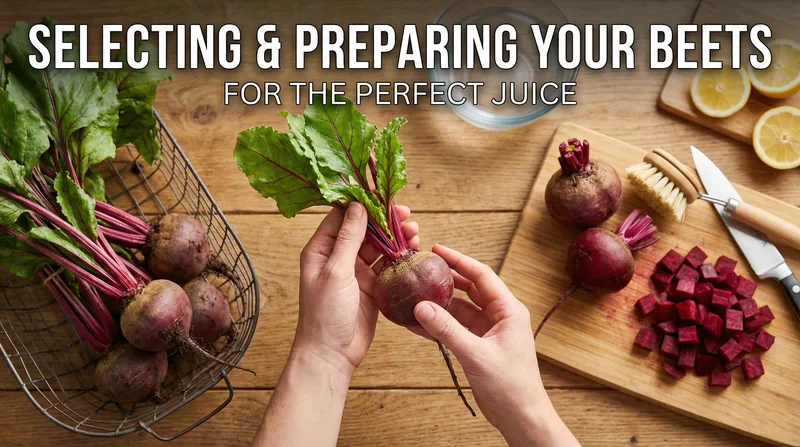
Before you start your beetroot juice recipe, you need to pick the right ingredients. Not all beets are the same. If you want the most benefit from your anti-inflammation recipes, you should start with the freshest vegetables possible. This ensures your healthy juice drinks are packed with vitamins.
How to Pick the Best Beets
When you are at the store or the farmer’s market, look for these signs of a healthy beet:
- Firmness: The beet should feel heavy and hard, like a rock. If it feels soft or squishy, it is old and won’t taste as good in your healthy juice recipes.
- Smooth Skin: Look for beets with smooth, unbroken skin. A few tiny hairy roots at the bottom are okay, but avoid ones with deep cuts or bruises.
- Bright Greens: If the leaves are still attached, they should look bright green and crisp. Don’t throw those leaves away! You can use them in other cooking recipes, healthy enough to be a salad or sauté.
- Size Matters: Smaller or medium-sized beets are usually sweeter. Very large beets can sometimes taste “woody” or extra earthy.
Cleaning and Prepping Your Beets
Once you get your beets home, you need to get them ready for your cold-pressed juice recipes.
- Wash Thoroughly: Beets grow in the dirt. Use a vegetable brush to scrub the skin under cold running water. You want to remove all the soil so your juice doesn’t taste like mud.
- To Peel or Not to Peel?: You do not have to peel beets for juicing! The skin has many nutrients. However, if you are using the blender method, some people prefer to peel them for a smoother finish. If you leave the skin on, just make sure it is very clean.
- Trim the Ends: Cut off the leafy tops and the long, thin “tail” at the bottom.
- Chop for Your Machine: If you have a small juicer or a blender, cut the beets into small cubes (about 1 inch). This helps the blades work better and prevents the motor from getting too hot.
Storing Beets for Later
If you are planning to make healthy drink recipes all week, you can store your beets in the fridge. Take the leaves off first, as they pull moisture out of the root. Put the beet roots in a sealed bag in the crisper drawer. They can stay fresh for up to two or three weeks!
By taking the time to pick and prep your vegetables correctly, you make sure your quick cooking recipes for juice are high quality and full of healing power.
Method 1: The Juicer Method (The “Pure” Approach)
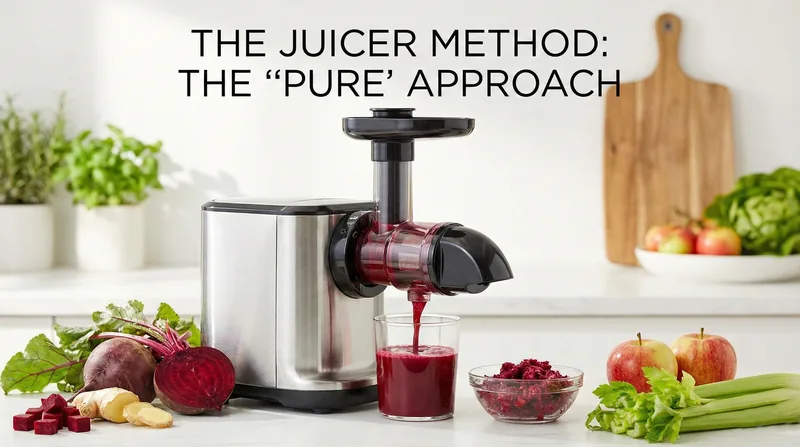
Using a juicer is the most popular way to make a beetroot juice recipe. This method separates the liquid juice from the solid fiber (pulp). Because the fiber is removed, your body can absorb the anti-inflammatory nutrients almost instantly. This makes it one of the most effective healthy juice drinks for a quick energy boost.
Types of Juicers
There are two main types of machines you can use for your cold-pressed juice recipes:
- Masticating Juicers (Slow Juicers): These machines chew the vegetables slowly. They are excellent for anti-inflammation recipes because they don’t create heat. No heat means more vitamins and enzymes stay alive.
- Centrifugal Juicers: These are faster and often more affordable. They work well for quick cooking recipes when you are in a rush. They use a spinning blade to extract the juice.
Step-by-Step Instructions
- Prepare your produce: Make sure your beets, ginger, and apples are chopped into pieces that fit into your juicer’s “throat” or feed tube.
- Start with the “Power-Ups”: Feed the ginger and turmeric first. These are small, so following them with juicier items helps push all their liquid out.
- Add the Beets: Alternate between your beet chunks and your watery ingredients like celery or cucumber.
- Finish with Citrus: If you are using a peeled lemon or lime, run it through last to wash any remaining beet juice into your glass.
- Stir and Enjoy: Give the juice a quick stir with a spoon to mix the flavors.
Pros and Cons of Juicing
The Pros:
- It is very easy on your stomach because there is no fiber to digest.
- The taste is very smooth and “pure.”
- It is the fastest way to get a high dose of betalains into your blood.
The Cons:
- You lose the fiber, which is good for digestion.
- Juicers can take a little more time to clean than a blender.
Even though you are removing the pulp, this is still one of the best healthy juice recipes for fighting swelling. It feels like a clean, refreshing tonic that helps you start your day with a “win” for your wellness.
Method 2: The Blender Method (The “Whole Food” Approach)
You do not need a specialized machine to enjoy a fresh beetroot juice recipe. If you have a standard kitchen blender, you can still create high-quality, healthy juice drinks. This is often called the “whole food” approach. It is perfect for people who want to keep the benefits of fiber or those who don’t want to buy an expensive juicer.
How to Make Juice with a Blender
Making anti-inflammation recipes in a blender is simple, but it requires one extra step if you want a smooth drink. Here is how to do it:
- Add Liquid First: Start by adding half a cup of water or coconut water to your blender. This helps the blades move the heavy beets around.
- Add Your Chopped Ingredients: Put in your small beet cubes, ginger, turmeric, and apple. Cutting them into very small pieces is key here, so you don’t overwork your blender.
- Blend on High: Blend everything until it looks like a thick smoothie. You want it to be as smooth as possible.
- The “Blend and Strain” Technique: If you want a clear juice like cold-pressed juice recipes, pour the mixture through a “nut milk bag” or a fine mesh strainer over a bowl. Squeeze the bag with your hands to get every last drop of the healing liquid out.
- Keep the Fiber (Optional): Some people choose not to strain it. If you leave the pulp in, you are making a “beet smoothie.” This is great for gut health, but it will be very thick.
Pros and Cons of Blending
The Pros:
- Most people already own a blender, making it one of the most accessible healthy juice recipes.
- Blenders are usually much faster to clean than juicers.
- You can choose to keep the fiber, which helps you feel full and supports healthy digestion.
The Cons:
- Straining the juice by hand can be a little messy (be careful, beet juice stains!).
- The texture might not be as perfectly thin as a professional cold-pressed juice.
This method is a fantastic way to include cooking recipes and healthy habits into your daily life without needing extra equipment. Whether you strain it or drink it thick, you are still getting all the powerful anti-inflammatory benefits of the beetroot.
The Signature Recipe: “The Deep Red Healer”
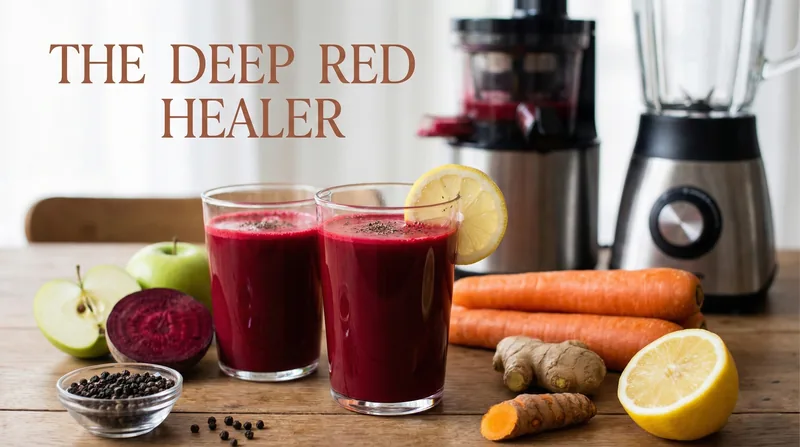
Now that you know the methods, it is time to make the actual drink. We call this recipe “The Deep Red Healer” because it combines the best anti-inflammation recipes into one glass. This is one of our favorite healthy juice recipes because it balances the earthy taste of beets with the spicy kick of ginger and the sweetness of apples.
This recipe makes one large serving or two small shots. It is a perfect example of healthy cooking recipes for every day.
Ingredients List
- 1 Medium Beetroot: Cleaned and chopped (the star of our beetroot juice recipe).
- 1 Green Apple: Cored and sliced (for natural sweetness and pectin).
- 2 Large Carrots: Topped and tailed (adds Vitamin A and more sweetness).
- 1-inch piece of Fresh Ginger: Peeled (for a spicy, anti-inflammatory boost).
- 1/2-inch piece of Fresh Turmeric: Or 1/4 teaspoon of powder (the golden healer).
- 1/2 Lemon: Peeled (to add Vitamin C and brightness).
- A tiny pinch of Black Pepper: (Crucial for absorbing the turmeric).
Prep Time and Serving
- Prep time: 5 minutes
- Total time: 10 minutes
- Serving size: Approximately 10–12 ounces of juice.
Instructions
- Prepare: Wash all produce thoroughly. If you are using the blender method, chop everything into small half-inch cubes.
- Process: * If using a juicer: Run the ginger and turmeric through first, followed by the beet, carrots, and apple. Finish with the lemon.
- If using a blender: Add 1/2 cup of water, then all ingredients. Blend on high for 60 seconds. Strain through a fine-mesh sieve or nut milk bag into a glass.
- Season: Add the tiny pinch of black pepper to the finished juice and stir well.
- Serve: Drink immediately for the best flavor and the highest nutrient levels.
Nutritional Benefits for Inflammation
This healthy juice recipe is a powerhouse. The betalains from the beet and the curcumin from the turmeric work together to target swelling in the body. Unlike sugary healthy drink recipes found in stores, this version is low in sodium and contains no added syrups. It is a pure, cold-pressed juice recipe-style drink that supports your joints, your heart, and your skin.
If you are following indian cooking recipes that use these same spices, you will recognize the comforting, warming feeling this juice provides. It is truly a “liquid hug” for your internal system.
Tips for Maximum Absorption and Taste
Making a beetroot juice recipe is only the first step. To get the most “healing power” out of your drink, you need to know how and when to drink it. These tips will help you turn your healthy juice recipes into a daily habit that you actually look forward to.
When to Drink for the Best Results
Many experts suggest drinking healthy juice drinks on an empty stomach.
- The Reason: When your stomach is empty, your body doesn’t have to work on digesting heavy food. This allows the anti-inflammatory nutrients to go straight into your bloodstream.
- Morning Boost: Drinking your juice in the morning can give you a natural energy boost that lasts all day without the “crash” you get from coffee.
How to Fix the “Earthy” Taste
Some people think beets taste like dirt. If you are new to anti-inflammation recipes, you might find the flavor a bit strong. Here is how to make it taste like one of your favorite healthy drink recipes:
- Add More Citrus: The acid in lemons or limes cuts right through the earthy flavor.
- Keep it Cold: Beet juice tastes much better when it is chilled. Use cold vegetables from the fridge or pour your juice over ice.
- Add a Sweet Vegetable: If the juice is too “heavy,” add more carrot or a small piece of pear. This is a common trick used in indian cooking recipes to balance strong flavors.
The Secret to “Fat-Soluble” Nutrients
Certain nutrients, like the curcumin in turmeric, need a little bit of fat to be absorbed by your body. Since a beetroot juice recipe has almost no fat, you can add a tiny bit yourself.
- The Tip: Stir in half a teaspoon of flaxseed oil or hemp oil into your finished glass.
- The Benefit: This helps your body soak up the vitamins better and makes the juice feel more satisfying. This is a smart way to keep your cooking recipes healthy and functional.
Sip, Don’t Gulp
Treat your cold-pressed juice recipes like a fine tea. Instead of drinking the whole glass in ten seconds, take small sips. Swishing the juice in your mouth for a moment helps your saliva start the digestion process. This makes it easier on your gut and helps prevent a sudden sugar spike from the natural beet sugars.
By following these simple steps, you make sure that every drop of your juice is working hard to fight inflammation and keep you feeling great.
Potential Side Effects & “Beeturia”
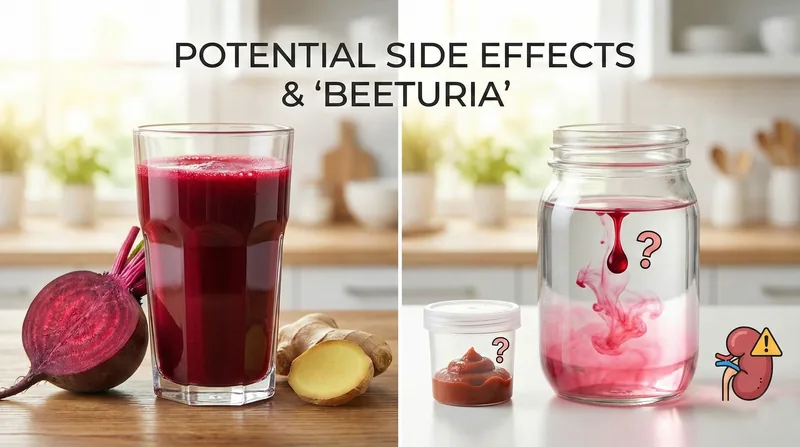
While a beetroot juice recipe is very safe for most people, there are a few things you should know. When you start adding anti-inflammatory recipes to your life, your body might react in ways that seem strange. It is important to understand these changes so you don’t worry.
What is “Beeturia”?
The most common “side effect” of drinking healthy juice drinks made with beets is a condition called Beeturia.
- What it is: This is when your urine or stools turn a pink or red color.
- Why it happens: The strong pigments (betalains) that fight inflammation are also very strong dyes. If your body doesn’t break them down completely, they pass through your system and change the color of your waste.
- Don’t Panic: It is not blood! It is just the beet juice doing its work. It is harmless and usually goes away within 24 hours.
Managing Oxalates and Kidney Health
Beets are high in something called oxalates. For most people, this is not a problem. However, if you have a history of kidney stones, you should talk to your doctor before drinking a large amount of beetroot juice every day. You can still enjoy healthy juice recipes, but you might need to drink smaller amounts or mix them with more water.
The “Beet Rush” (Sugar Content)
Beets are one of the sweetest vegetables. They contain natural sugars. While these are much better for you than the sugar in soda, they can still cause a small “rush” or a spike in energy.
- The Tip: If you are watching your sugar intake, make sure to include “green” ingredients in your cold-pressed juice recipes, like celery or cucumber. These help balance the sugar and keep your energy steady.
Detox Reactions
Sometimes, when you start a healthy routine, your body starts to “clean house.” You might feel a little bit of a headache or a change in your bathroom habits for a day or two. This is often just your liver and gut getting rid of waste. Drink plenty of plain water alongside your healthy drink recipes to help your body stay hydrated and comfortable.
Understanding these points helps you build trust in your new routine. It ensures that your journey with indian cooking recipes and natural juices is safe, happy, and helpful for your long-term health.
How to Store and Meal Prep
We all have busy lives. Sometimes you don’t have time to use the juicer every single morning. While a beetroot juice recipe is best when it is fresh, you can still plan ahead. Learning how to store your healthy juice drinks will help you stay consistent with your anti-inflammatory goals.
How Long Does Fresh Juice Last?
The life of your juice depends on the machine you use:
- Centrifugal Juicers: The juice is best if you drink it right away. If you must store it, keep it for no more than 24 hours.
- Masticating (Cold Pressed) Juicers: Because these machines don’t use heat, the juice stays fresh longer. You can keep cold-pressed juice recipes in the fridge for up to 48 to 72 hours.
- Blender Method: Since the blender adds a lot of air to the mix, try to drink this juice within 24 hours for the best taste.
The Best Way to Store Juice
To keep your healthy juice recipes from losing their “healing power,” follow these storage rules:
- Use Glass: Store your juice in a glass jar or bottle. Plastic can sometimes let air in or hold onto old smells.
- Fill to the Top: Fill the jar all the way to the brim. This leaves very little room for air. Air (oxygen) is what makes juice go bad and lose vitamins.
- Seal it Tight: Use an airtight lid to keep the juice fresh.
- Keep it Dark and Cold: Store the jar in the back of the fridge where it is coldest.
Freezing Tips: The “Ice Cube” Method
If you made a big batch of your anti-inflammation recipes, you can freeze the extra!
- Ice Cube Trays: Pour the juice into ice cube trays. Once frozen, pop the “beet cubes” into a freezer bag.
- How to Use: You can drop these cubes into a glass of water or a smoothie later. This is a great way to have healthy drink recipes ready in seconds. This works well for quick cooking recipes when you are in a rush.
Signs the Juice Has Gone Bad
If you find an old jar of juice in the fridge, check it before drinking. If the color has turned from bright red to a dull brown, or if it smells sour like vinegar, it is time to toss it. Freshness is key when you are using cooking recipes healthy enough to heal your body.
Frequently Asked Questions (FAQ)
When starting a new beetroot juice recipe routine, it is normal to have questions. To help you feel confident, we have gathered the most common questions people ask about these healthy juice recipes. This will help you get the most out of your anti-inflammation recipes.
Conclusion & Next Steps
Adding a beetroot juice recipe to your daily routine is one of the simplest things you can do to support your health. As we have seen, this bright red drink is not just a trend. It is a scientifically backed way to “cool down” the body and manage swelling naturally. By choosing anti-inflammatory recipes like the “Deep Red Healer,” you are giving your body the tools it needs to repair itself, boost its energy, and keep your blood flowing smoothly.
Whether you prefer using a juicer for cold-pressed juice recipes or a blender for a quick “whole food” drink, the benefits remain the same. You don’t need complicated indian cooking recipes or expensive supplements to feel better. Often, the best medicine is found in the simple, earthy vegetables growing in the ground.
Your Next Steps
- Start Small: If you are new to healthy juice recipes, try making a small batch this week. Notice how your body feels after drinking it.
- Experiment: Don’t be afraid to tweak the ingredients. Add more ginger for heat or more apple for sweetness to create your own signature healthy juice drinks.
- Stay Consistent: Like any cooking recipes healthy habit, the best results come from doing it regularly. Even two or three glasses a week can make a big difference in how your joints and gut feel.
Join Our Community
Thank you for taking this step toward natural wellness. Your body will thank you for every sip of this healing, deep red “liquid gold.”
- Beetroot: A Superfood for Inflammation and Blood Pressure https://www.healthline.com/nutrition/benefits-of-beets
- The Role of Betalains in Fighting Oxidative Stress https://www.ncbi.nlm.nih.gov/pmc/articles/PMC4425174/
- How Dietary Nitrates Improve Blood Flow and Muscle Recovery https://www.medicalnewstoday.com/articles/277432
- Curcumin and Piperine: Synergy for Maximum Absorption https://www.ncbi.nlm.nih.gov/pmc/articles/PMC5664031/
- Understanding Oxalates in Root Vegetables https://www.kidney.org/atoz/content/kidneystones_prevent
Trust in your purchase:
Every product featured on our site has been carefully researched and selected based on quality, customer ratings, and positive reviews to ensure you receive excellent value for your money.
Please note:
This post contains affiliate links. If you make a purchase through these links, we may earn a small commission at no additional cost to you. This helps support our site and allows us to continue bringing you valuable content. Thank you!
Thank you for your precious time spent with NobleHomeRemedies.
You may also like:

How Long Does Tylenol Take to Work?
How long does it take for Tylenol to Work? Its 20 to 30 Minutes There…
Gastroparesis Shakes, Smoothies, Soups Recipes
27 Best Gastroparesis Meal Replacement Shakes, Smoothies, and Soups In this article, we are covering…

Blood Pressure Chart by Age
Blood Pressure Chart by Age: Is Your Number Normal? (Free Guide) Medical Disclaimer: The content…
Health Benefits of Garlic
10 Powerful Health Benefits of Garlic You Need to Know About Garlic, a staple ingredient…

Baby Making Gasping Sounds
Causes Why Baby Making Gasping Sounds But Breathing Fine You are not alone if you…

Why Do I Crave Butter
Why Do I Crave Butter?: Science Behind Fatty Food Addictions Oh Butter! Rich, creamy, delicious…