
The Ultimate Guide to Meal Prep for the Week
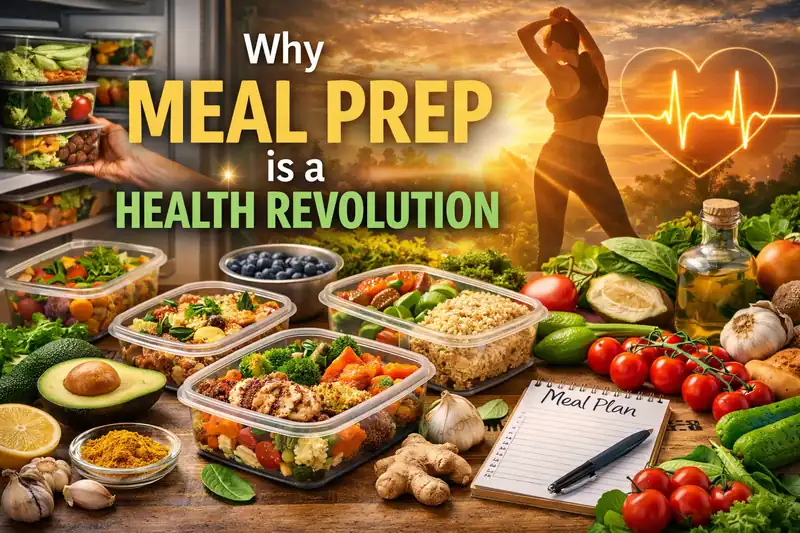
Why Meal Prep is a Health Revolution
In the past, most people thought of meal prep as just a way to save a few minutes during a busy work week. But today, things have changed. Today, meal prep has become a powerful tool for staying healthy and feeling your best. It is no longer just a kitchen chore. Instead, it is a complete system that helps your body and your mind.
For people who love home remedies and natural health, meal prep is the “secret ingredient”. It is the best way to make sure you actually eat the healing foods your body needs every single day. It moves us away from just fixing health problems after they happen. Instead, it helps us prevent problems before they even start.
Right now, more people than ever are searching for “meal prep for the week. This is because life is getting faster, but we still want to eat high-quality, whole foods. We are tired of feeling tired, and we want a simple way to take back control.
Think of meal prep as your personal health plan. It is not just about the food you put in your fridge on Sunday afternoon. It is about the energy you gain, the stress you lose, and the way you protect your body’s vitality for years to come. By the end of this guide, you will see that meal prep is the ultimate home remedy for a happy, healthy life.
The Big Three: Why We Prep (Benefits Overview)
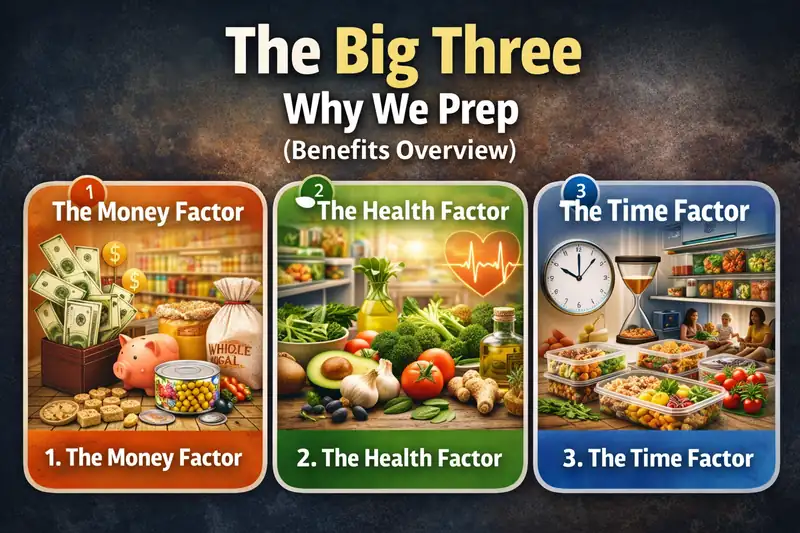
When you start prepping your meals, you will notice three big changes in your life. We call these “The Big Three.” They are the main reasons why this habit is so popular.
1. The Money Factor: Saving Your Hard-Earned Cash
Buying food today can be expensive. Grocery prices often go up, and eating out costs even more. Meal prep is one of the best ways to fight these rising costs.
When you plan ahead, you can buy “staple” foods in large amounts, which is called bulk buying. Foods like beans, lentils, whole grains, and frozen vegetables are much cheaper when you buy them this way. These foods are also packed with the nutrients your body needs to stay strong.
Also, having a meal ready to go means you won’t spend money on takeout or “fast food”. Studies show that people who cook at home save hundreds of dollars every month.
2. The Health Factor: Taking Control of Your Ingredients
The biggest problem with modern food is that it is often “ultra-processed”. This means it is filled with things that aren’t good for you, like hidden sugars, bad oils (seed oils), and way too much salt.
When you prep your own meals, you are the boss of your kitchen. You get to choose exactly what goes into your body. You can make sure you are getting:
- Lean Proteins: To keep your muscles strong.
- Healthy Fats: Like olive oil or avocado, which help your brain.
- Complex Carbs: Like sweet potatoes or oats, which give you steady energy.
By controlling your ingredients, you can help lower inflammation and keep your blood sugar steady. This is a major part of using food as a home remedy to stay well.
3. The Time Factor: Reclaiming Your Free Time
It sounds strange, but spending two hours on a Sunday can save you ten hours during the week. Think about how much time we waste every day asking, “What should we have for dinner?” Then you have to find the ingredients, cook the meal, and clean up the mess—every single night.
Meal prep stops this cycle. By doing the work all at once, you only have to clean the kitchen once. During the week, your dinner is ready in minutes. This gives you back your evenings to relax, spend time with your family, or work on your favorite hobbies. It takes the “rush” out of your life and replaces it with a feeling of being prepared and in control.
The Mental Game: Beating “Decision Fatigue”
Have you ever come home after a long day and felt like you just couldn’t think anymore? This feeling is real, and it has a name: decision fatigue.
Every day, our brains have to make thousands of choices. We choose what to wear, how to solve problems at work, and how to talk to our friends. Making all these choices uses up a lot of mental energy. By the time dinner rolls around, your “mental battery” is often empty.
When your brain is tired, you are more likely to make poor choices. This is why you might reach for a bag of chips or order a greasy pizza even when you know you want to be healthy. Your brain simply doesn’t have the strength to make a good decision anymore.
Meal Prep as a “Brain Break”
Meal prep is the perfect remedy for this. By choosing your meals on a Sunday when you are rested and have high energy, you “pre-decide” your health. During the rest of the week, you don’t have to think at all. You just open the fridge and eat.
Research shows that people who set aside time for meal prep feel much less stress and anxiety. It removes that daily pressure of “What’s for dinner?”8. Instead of feeling worried, you feel calm because the work is already done.
The Power of the Ritual
When you see those colorful, healthy meals waiting for you in the fridge, it acts as a visual sign that you are in control of your life. This lowers your mental load and saves your brain power for more important things, like your family or your hobbies.
Over time, your weekend meal prep session becomes a familiar ritual. A ritual is a special routine that you enjoy. Because it becomes a habit, it starts to require very little “willpower” to stay healthy. It’s just something you do, like brushing your teeth. This is especially helpful if you struggle with eating when you are emotional or snacking when you are bored.
Two Ways to Prep: Which One is for You?
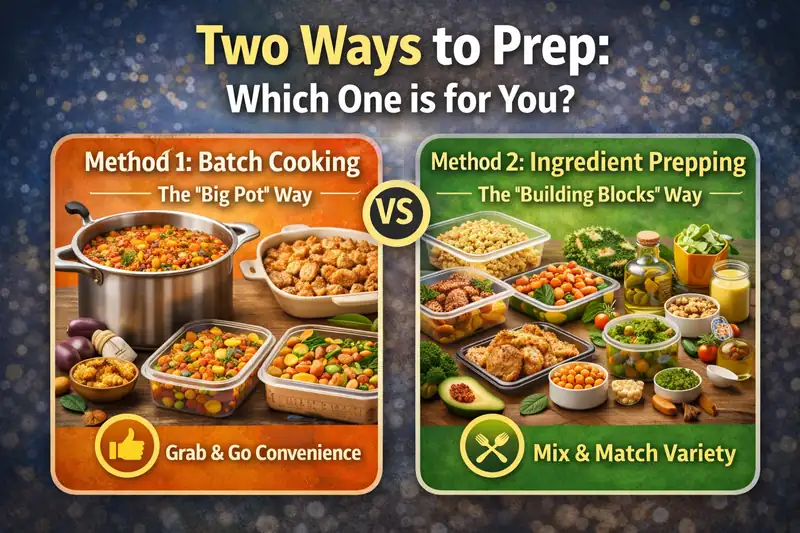
Not everyone preps their food the same way. There are two main methods you can choose from. You might like one better than the other, or you can even mix them both!
Method 1: Batch Cooking (The “Big Pot” Way)
Batch cooking is when you make a huge amount of one specific recipe. Think of things like:
- A big pot of vegetable chili.
- A large tray of chicken and potato casserole.
- A giant batch of lentil soup.
Why people love it: This is the most efficient way to save time on cleaning. You only use your pots and pans once. After the food is cooked, you divide it into separate containers for each day. During the week, you just heat up your portion and eat. It is simple and very fast.
Method 2: Ingredient Prepping (The “Building Blocks” Way)
Instead of making a full recipe, ingredient prepping (also called “component prep”) focuses on preparing separate items that you can mix and match.
For example, on Sunday, you might prep:
- A large bowl of boiled quinoa or brown rice.
- A tray of roasted sweet potatoes and broccoli.
- Some grilled chicken or tofu.
- A few jars of homemade salad dressing.
Why people love it: This method prevents “meal fatigue”. Meal fatigue is when you get bored with eating the same thing every day. With ingredient prepping, you can have a “Buddha bowl” on Monday, a whole-wheat wrap on Tuesday, and a big salad on Wednesday—all using the same basic ingredients. It gives you more variety and lets you choose what you feel like eating each day.
Which should you choose?
- Choose Batch Cooking if you are very busy and just want to “grab and go” without thinking at all.
- Choose Ingredient Prepping if you like to have different flavors and textures every day and don’t mind spending 5 minutes “assembling” your plate.
The Functional Kitchen: Turning Food into Home Remedies
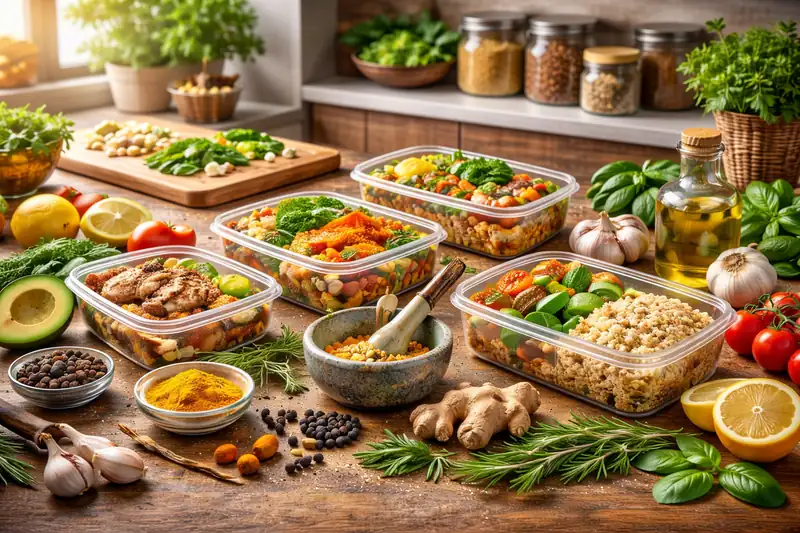
When you are prepping your meals for the week, you aren’t just putting food in boxes. You are actually acting like a scientist in your own kitchen. You are making sure that the food you eat can actually help your body stay strong and heal itself. This is what we call a “functional kitchen.”
Understanding Bioavailability: Getting the Most from Your Food
One of the most important words to learn is bioavailability. This is just a fancy way of saying how much of the “good stuff” in your food your body can actually use.
Sometimes, if you eat a healthy food by itself, your body can’t absorb all its vitamins. But if you combine it with another food, it’s like unlocking a secret door. Here are some “magic combos” for your meal prep:
- Turmeric + Black Pepper + Fat: Turmeric is a bright yellow spice that helps with inflammation (which is when your body feels puffy or sore). But your body has a hard time using it alone. If you add just a little bit of black pepper, it can help your body absorb the turmeric 2,000% better!. Always add a healthy fat, like olive oil, to this mix to make it even more powerful.
- Tomatoes + Healthy Fats: Tomatoes have something called lycopene, which is great for your heart. If you roast your tomatoes with a little bit of fat (like avocado oil), your body can soak up that lycopene much more easily.
- The 10-Minute Garlic Rule: When you are prepping, always chop your garlic first and let it sit on the counter for 10 minutes before you cook it. This waiting time allows a special healing compound called “allicin” to grow. If you throw it in the pan right away, you lose some of that medicine!.
Herbs and Spices as Medicine
During your meal prep, you should treat your spice rack like a medicine cabinet.
- Ginger: Great for when your tummy feels upset and helps your body digest food better.
- Cinnamon: Helps keep your blood sugar steady so you don’t feel “crashes” during the day.
- Rosemary: Can help your brain stay sharp and protect your body from damage.
Gut Health and the “Cabbage Trend”
Today, everyone is talking about “gut health”. Scientists have found that our gut is like our “second brain”. When your gut is happy, your mood is better, your skin looks clearer, and you don’t get sick as often.
Prebiotics vs. Probiotics: Feeding Your Inner Garden
Think of your gut like a garden. To have a beautiful garden, you need both the plants and the fertilizer.
- Probiotics (The Plants): These are “good bacteria” that live in your gut. You can prep foods that have these, like kefir, yogurt, kimchi, and sauerkraut.
- Prebiotics (The Fertilizer): These are foods that feed the good bacteria so they can grow strong. Great prep-friendly prebiotics include artichokes, asparagus, onions, and beans.
This Year “Cabbage Renaissance”
Believe it or not, the most popular vegetable right now is the humble cabbage!. People are calling it “Cabbage Crush” because it is cheap, stays fresh for a long time, and is a superfood for your gut.
In your weekly prep, cabbage is a superstar because it doesn’t get soggy like lettuce does. Here are some ways people are using it:
- Cabbage Dumplings: A fun way to get more fiber in your lunch.
- The Cabbage Boil: Roasting a whole head of cabbage with butter and spices until it is soft and delicious.
- Fermented Cabbage: Making your own simple sauerkraut at home to save money and boost your probiotics.
Cabbage is very versatile—you can grill it, braise it, or even make “cabbage alfredo”. It is the perfect budget-friendly tool for a healthy week.
Here is you can how to turn a simple cabbage into a flavorful, roasted meal prep staple:
In line with your instructions, here is the photo-realistic 16:9 cover image for our next sections. It shows a collection of high-quality glass containers and specific “remedy” ingredients like beets, broccoli, and berries to represent specialized health goals.
Specialized Prep for Your Body’s Needs
One of the best things about meal prep is that you can customize it for your specific health goals. Not everyone needs the same kind of fuel. By changing a few ingredients in your weekly plan, you can turn your meals into targeted home remedies.
Here are three popular ways people are tailoring their prep today:
1. Prepping for Hormone Balance (PCOS and Beyond)
Many people struggle with hormones that feel “out of whack.” This can cause low energy or skin problems. To help, your meal prep should focus on keeping your blood sugar very steady.
- The Remedy: Focus on high-protein breakfasts and lots of healthy fats like avocado.
- What to prep: Boiled eggs, cooked chicken breast, and bags of raw walnuts. Avoid adding too much sugar or honey to your prepped snacks.
2. Liver Support: The “Natural Detox”
Your liver works hard every day to clean your blood. You can help it out by prepping “bitter” and “cruciferous” vegetables.
- The Remedy: Foods like beets, artichokes, and broccoli are like a spa day for your liver.
- What to prep: A big batch of roasted beets or a “cruciferous crunch” salad made with shredded kale and Brussels sprouts. This helps your body naturally clear out toxins without needing expensive store-bought “cleanses.”
3. The Beauty Boost: Prepping for Glowing Skin
Did you know that what you eat can be better for your skin than expensive creams? Yes, many people are prepping for “anti-aging” from the inside out.
- The Remedy: Antioxidants are the secret here. They protect your skin from the sun and pollution.
- What to prep: Containers of “rainbow” berries (blueberries, raspberries, blackberries) and snacks like pumpkin seeds, which are full of zinc to help keep your skin clear.
Food Safety: Keeping Your Prep Fresh and Safe
When you spend a few hours cooking on Sunday, you want that food to be just as safe and tasty on Thursday. To do this, you need to follow a few simple rules for storage and safety.
Choose Your Containers Wisely
In the world of home remedies, we want to avoid chemicals as much as possible. This is why you should try to use glass containers instead of plastic.
- The Problem with Plastic: Some plastic containers have a chemical called BPA. When you heat food in plastic, those chemicals can leak into your meal.
- The Glass Advantage: Glass is safer, it doesn’t stain, and it lasts forever. Look for containers with airtight lids (silicone or bamboo lids are great choices) to keep your food from drying out.
The “FIFO” Method
To make sure you never waste food, use the FIFO rule. This stands for “First-In, First-Out.” When you put your new prepped meals in the fridge, move any older items to the front. This reminds you to eat the older food first, so nothing goes bad and gets thrown away.
How Long Does Prepped Food Last?
It is important to know the “cold facts” about food storage. Most prepped meals are at their best for 3 to 4 days in the fridge.
- Cooked Meat (Chicken, Beef): 3 to 4 days.
- Cooked Grains (Rice, Quinoa): 4 to 6 days.
- Hard Vegetables (Carrots, Broccoli): 5 to 7 days.
- Soft Greens (Spinach, Lettuce): 2 to 3 days (it is best to prep these fresh).
Expert Tip: If you know you won’t eat a meal by Thursday, put it in the freezer right away! Most cooked meals, like soups or casseroles, can stay good in the freezer for 2 to 3 months.
Step-by-Step: Your First Prep Session (Beginner’s Guide)
If you are new to “meal prep for the week,” you might feel a little overwhelmed. That is completely normal! The secret to success is not to do everything at once. You don’t need a professional kitchen or fancy tools. You just need a simple plan.
Follow these four easy steps to finish your first successful “Power Prep” session.
Step 1: The Kitchen Inventory
Before you go to the store, look at what you already have. Check your pantry, your fridge, and your freezer.
- Do you have half a bag of rice?
- Is there a jar of beans in the back of the cupboard?
- Do you have spices like turmeric or ginger? Using what you already have saves money and prevents food waste. This is the first step in being a “strategic” home cook.
Step 2: Pick Your “Building Blocks” (The Plan)
Instead of trying to cook five different complicated recipes, choose a few “building blocks” that you can use in different ways. A good beginner plan looks like this:
- Pick 2 Proteins: For example, roasted chicken and hard-boiled eggs.
- Pick 2 Grains: For example, brown rice and quinoa.
- Pick 3 Veggies: For example, roasted sweet potatoes, steamed broccoli, and sliced raw peppers.
- Pick 1 Sauce: For example, a homemade lemon and olive oil dressing.
Step 3: The Smart Shop
Now, write down exactly what you need to buy to finish your plan. When you go to the store, stick to your list! Try to shop around the edges of the grocery store where the fresh, whole foods are kept. Avoid the middle aisles where the “ultra-processed” foods with hidden sugars usually live.
Step 4: The Execution (The 2-Hour Power Prep)
Set aside about two hours on a Sunday afternoon. Put on some music or your favorite podcast.
- Start the long stuff first: Get your rice or quinoa boiling on the stove.
- Use your oven: Put your chicken and chopped vegetables on large trays and roast them at the same time.
- Chop your raw items: While the oven is working, wash and chop your raw veggies and fruit.
- Assemble: Once everything is cool, put them into your glass containers.
Congratulations! You just finished your first meal prep. You are now ready for a healthy, stress-free week.
Conclusion: Vitality on a Plate
We have covered a lot of ground in this guide. We learned that meal prep is much more than just putting food in boxes. It is a way to save money, lower your stress, and take control of your health. By using the “functional kitchen” tips—like the 10-minute garlic rule or the “magic combo” of turmeric and pepper—you are turning your everyday meals into powerful home remedies.
Remember, you don’t have to be perfect. Even if you only prep two or three lunches for the week, you are still making a huge difference for your body and your mind. You are protecting your “second brain” in your gut and giving your liver the support it needs to keep you feeling energized.
As we move forward, the world is realizing that the best way to stay healthy is to be prepared. When you open your fridge on a busy Tuesday and see a colorful, nutritious meal waiting for you, you aren’t just seeing food. You are seeing “vitality on a plate.”
This guide is the central hub for everything you need to know about meal prep. From here, you can explore our other articles that dive deeper into specific topics, like prepping for hormone balance or using the “cabbage trend” to boost your gut health.
The journey to a healthier you starts with a single container. Happy prepping!
- Why Meal Prep is a Game Changer for Healthy Eating
https://www.hydroassoc.org/healthy-meal-prep-tips/ - A Beginner’s Guide to Healthy Meal Prep
https://health.clevelandclinic.org/a-beginners-guide-to-healthy-meal-prep - 10 Health Benefits of Meal Prepping
https://acac.com/news-updates/10-health-benefits-of-meal-prepping/ - Scientific Benefits of Meal Prepping
https://www.everydayhealth.com/diet-nutrition/scientific-benefits-of-meal-prepping/
Trust in your purchase:
Every product featured on our site has been carefully researched and selected based on quality, customer ratings, and positive reviews to ensure you receive excellent value for your money.
Please note:
This post contains affiliate links. If you make a purchase through these links, we may earn a small commission at no additional cost to you. This helps support our site and allows us to continue bringing you valuable content. Thank you!
Thank you for your precious time spent with NobleHomeRemedies.
You may also like:

Causes of Fordyce Spots
4 Main Causes of Fordyce Spots: Unraveling the Mystery Fordyce Spots – those tiny, pale,…

Salivating Before Vomiting
Why Do You Salivate Before Vomiting? – Nausea and Vomiting Have you ever felt that…

How to Kill Heavy Mind and Feel Good
Why Heavy Mind?: How to Kill Heavy Mind and Feel Good The first question is…
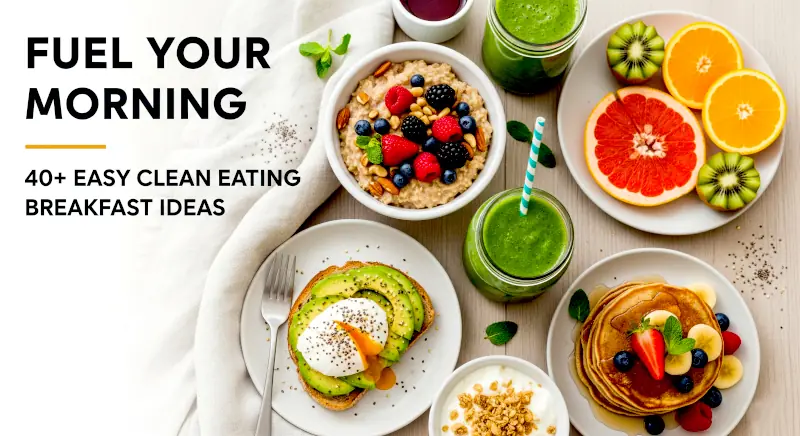
Easy Clean Eating Breakfast Ideas
Fuel Your Morning: 40+ Easy Clean Eating Breakfast Ideas Start Your Day Right: Mastering the…

COVID-19 CoronaVirus Symptoms: Prevention, and Awareness
Discvoer: COVID-19 CoronaVirus Symptoms: Prevention, and Awareness The outbreak of the COVID-19 Coronavirus is a…

Poop Health – What Does Poop Taste Like?
What Does Poop Taste Like?: 7 Poop Secrets and Your Health What Does Poop Taste…