
High Blood Pressure Symptoms in Women: Symptoms and Risks by Age
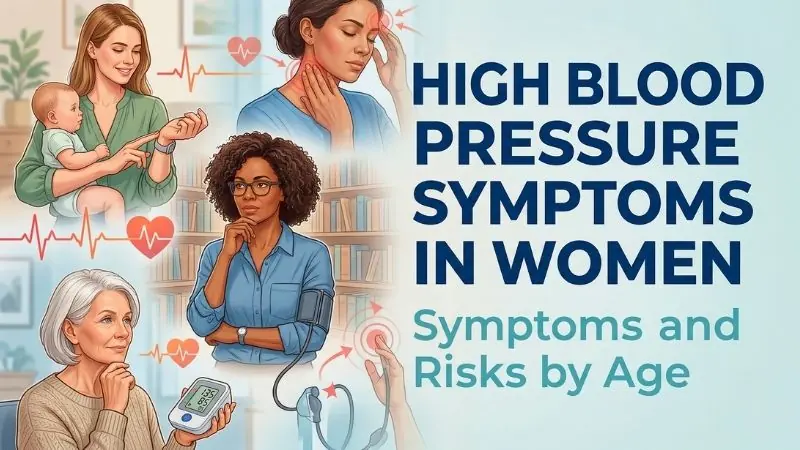
Navigating cardiovascular health can be a source of significant anxiety for many women, particularly due to the “silent” nature of hypertension. Because high blood pressure often presents with no obvious blood pressure symptoms, it is frequently referred to as a “silent killer” that can lead to severe complications if left unmonitored.
This guide serves as a definitive resource to help you recognize subtle red flags, understand how your risk profile changes with age, and identify when to seek professional medical intervention.
Medical Disclaimer: The information provided in this guide is for informational purposes only and is not intended as a substitute for professional medical advice, diagnosis, or treatment. You should not take any action based on this content without first consulting a qualified healthcare professional. Houston Methodist and other medical authorities emphasize that website services and products are not a replacement for clinical diagnosis.
Understanding the Silent Killer: Why blood pressure symptoms (women-specific) Are Hard to Spot!
The Biological Mechanism of Action
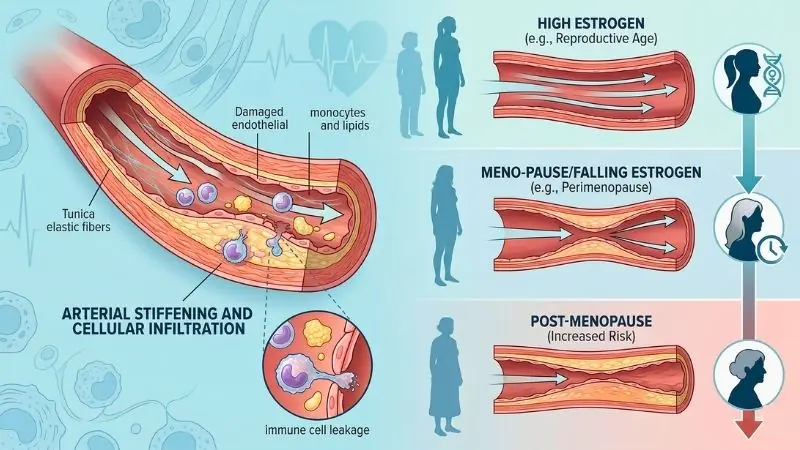
Hypertension functions at a systemic level as the force of your blood consistently pushing too hard against the walls of your arteries. This sustained force can lead to long-term damage throughout the body, though it is considered the most preventable risk factor for heart disease. Regarding the specific cellular impact of sustained high pressure on arterial walls, constant high pressure causes the walls of your blood tubes to become thick and stiff while damaging the inner lining, so that immune cells can leak inside.
Why Women’s Symptoms Differ from Men’s
Women face unique cardiovascular challenges, and their experience with hypertension can be influenced by various physiological transitions throughout life. While medical literature suggests that hormonal shifts play a significant role, the exact biological mechanism regarding hormonal influences on vascular resistance in women is complex and still being studied.
In simple terms, female hormones such as estrogen help blood vessels relax and stay more open, which can lower vascular resistance and blood pressure; in contrast, falling estrogen levels (for example, during menopause) can make blood vessels stiffer and narrower, increasing resistance and sometimes raising blood pressure.
The blood pressure chart for women is needed for Every Stage of Life
Decoding Your Numbers: What is Normal?
Understanding what constitutes a “normal” reading is the first step in monitoring your heart health. Clinical studies have aimed to identify normal blood pressure ranges across different age groups to provide better diagnostic clarity.
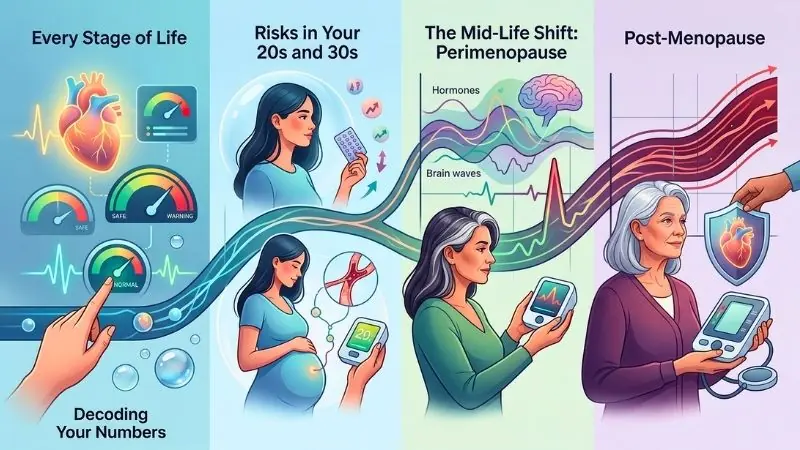
- Risks in Your 20s and 30s: Pregnancy and Oral Contraceptives: For women in their 20s and 30s, specific factors such as the use of oral contraceptives or the physiological demands of pregnancy can impact blood pressure.
- The Mid-Life Shift: Perimenopause and Blood Pressure Spikes: As women enter perimenopause, hormonal fluctuations can lead to unexpected spikes in readings.
- Post-Menopause: Why Risks Increase Significantly with Age: Following menopause, a woman’s risk for hypertension increases significantly, necessitating more frequent screenings and proactive management.
[Quick Reference Table]: blood pressure chart for women by age and category
Blood pressure charts for women by age and category provide simple numbers to check if readings are normal, high, or low. Women can use them as a quick guide along with a doctor’s advice.
| Normal (mm Hg) | Elevated | Stage 1 High | Stage 2 High |
|---|---|---|---|
| <120/<80 | 120-129/<80 | 130-139 or 80-89 | ≥140 or ≥90 |
Average normal readings for women rise a bit with age: 110/68 for ages 18-39, 122/74 for 40-59, and 139/68 for 60+. The categories stay the same for all adults, per American Heart Association guidelines. Always see a doctor for your own checks.
Averages reflect real-world healthy trends, while categories flag risks the same for all adults. Use this with your doctor’s input.
Common Blood Pressure Symptoms and Warning Signs
Most women do not feel sick even when their pressure is high. This is why doctors call it a silent killer. You should check your heart health often because you cannot rely on how you feel.
Recognizing the Subtle Red Flags
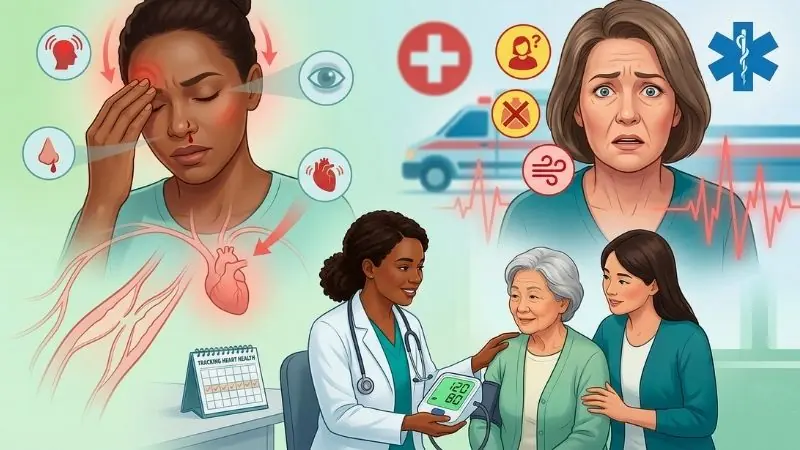
When blood pressure symptoms do show up, they can be easy to miss. You might have headaches, a nosebleed, or feel very tired. Some women also notice blurred vision or feel like their heart is racing.
Severe Symptoms: When High Blood Pressure Becomes an Emergency
If your pressure gets very high very fast, it is a medical emergency. You may feel confused, have chest pain, or find it hard to breathe. These blood pressure symptoms mean you should call for help right away.
When to See a Doctor
You should talk to a professional if you notice any of these red flags. It is also wise to have a checkup every year to track your numbers. Regular tests are the only way to know for sure if your heart is safe.
Safety First: Side Effects, Contraindications, and Vital Precautions
When you want to help your heart, you must be careful. Even natural things can have risks. It is important to know when a remedy might not be right for you.
Who should avoid home remedies for high blood pressure?
Some people should not try home remedies or herbal supplements unless a doctor says it is safe. These include:
- People who are already taking blood pressure medicines.
- People who are pregnant or breastfeeding.
- People with kidney disease, heart disease, or diabetes.
- People who are older (65 or above) or very young.
- People who use herbal supplements, energy‑drink powders, or “natural” pills that can raise blood pressure (like ephedra, bitter orange, ginseng, or licorice root).
These groups are at higher risk of dangerous side effects or sudden changes in blood pressure. They should always talk to a doctor before starting any home remedy or supplement.
Pregnancy and Breastfeeding Precautions
High blood pressure is very dangerous for both the mother and her baby. It can lead to a serious condition called preeclampsia. This affects about 5 percent of pregnancies and is a top cause of death for mothers and infants. You should never try a home remedy or change your care without talking to a doctor first.
Potential medication interactions
Some home remedies and herbal supplements can interact with blood pressure medicines. This means they can make the medicine too weak, too strong, or cause side effects such as dizziness, very low blood pressure, or trouble with the heart or kidneys.
Examples of things that may interact with blood pressure medicines include:
- Certain herbal teas or supplements (like licorice root, ginseng, hawthorn, St. John’s wort, or ginkgo).
- Large amounts of potassium‑rich foods (like bananas, spinach, or salt substitutes) if you take some types of blood pressure pills (ACE inhibitors or ARBs).
- Over‑the‑counter pain relievers such as some NSAID pills (ibuprofen, naproxen) can raise blood pressure or reduce the effect of your medicine.
Because of these risks, people using blood pressure medicines should always ask a doctor or pharmacist before starting any home remedy, herbal tea, or supplement.
Myth-Busting: Clearing Up Misconceptions About Women’s Heart Health
Correction of a Common Misconception Found in Medical Literature
A common misconception in both medical literature and public messaging is that women almost always have “atypical” heart attack symptoms while men have the “classic” chest‑pain attack. This has led many people to believe that women’s heart attacks look totally different from men’s, and that chest pain is not a reliable sign in women.secondscount+1
How the misconception is corrected
Recent studies show that most women still report chest pain, pressure, or discomfort as a main heart‑attack symptom, just like men. The real difference is that women are more likely than men to have extra symptoms at the same time, such as shortness of breath, jaw or arm pain, nausea, or feeling very tired or “dizzy.
Because of this, experts now stress that chest discomfort should never be dismissed in women, even if they also feel anxious, tired, or have stomach‑like pain. Teaching women and providers that chest‑type symptoms are common in women—and not just in men—helps correct an outdated idea that has delayed diagnosis and treatment.
The “Recipe” Block: Practical Support via Hibiscus Tea
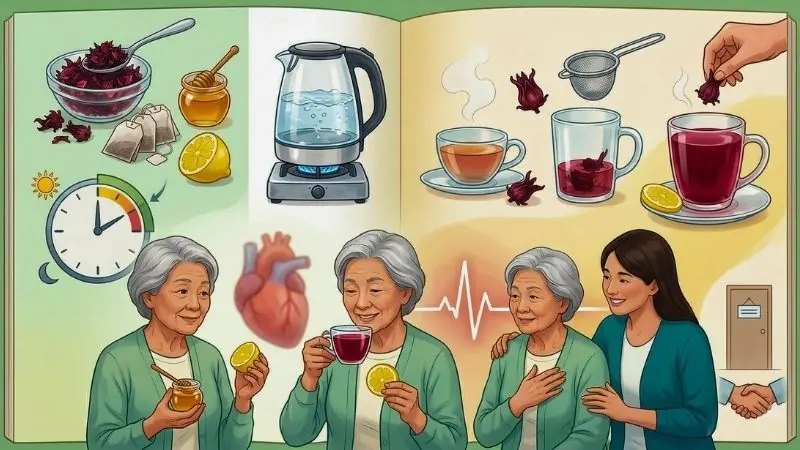
Using natural drinks like tea can sometimes support your heart. However, you must follow the correct steps and check with a professional.
Ingredients and items needed
- 1 heaping teaspoon (about 2–3 g) dried hibiscus flowers (you can find them loose or in tea bags).
- 1 cup (about 240 mL) of fresh water.
- Optional: a small spoon of honey or a squeeze of lemon for taste.
You will also need:
- A small pot or kettle
- A teacup or mug
- A strainer (if using loose flowers)
The method: step‑by‑step preparation
- Boil the water
Bring 1 cup of water to a gentle boil in a small pot or kettle. - Add the hibiscus
Turn off the heat and put the dried hibiscus (or a tea bag) into the hot water. - Steep
Let the tea steep for about 5–7 minutes so the flavor and color come out. - Strain and sweeten
Pour the tea through a strainer into your cup. If you like, add a little honey or a squeeze of lemon and stir. - Drink
Sip while warm, or let it cool and drink as a cold tea.
Usage and dosage: frequency and timing
- For most healthy adults, a common routine is 1 cup of hibiscus tea once or twice a day, for several weeks
- Some studies use about 3 cups per day (using 1–2 teaspoons of hibiscus in 1–2 cups of water), but this should be discussed with a doctor if you have health problems or take medicines
- Avoid drinking very large amounts (like 4–6 strong cups every day) without medical advice, especially if you already have low blood pressure or take blood‑pressure medicines.
Storage instructions
- If you brew a larger pitcher, let the tea cool and then store it in a clean glass jar or bottle in the refrigerator.
- Use refrigerated hibiscus tea within 1–2 days (up to 5 days maximum) and throw it away if it smells or tastes sour.
- Do not leave brewed tea sitting out at room temperature for more than 4–6 hours, as bacteria can grow.
Frequently Asked Questions
Conclusion
High blood pressure is a silent killer because most women do not feel sick even when their numbers are high. Inside your body, constant high pressure causes the walls of your blood tubes to become thick and stiff. This pressure also damages the inner lining of those tubes. A woman’s risk changes throughout her life, especially during pregnancy or after menopause.
The best thing you can do is check your blood pressure often. Since you cannot rely on how you feel, regular tests are the only way to know if your heart is truly safe. Talk to a healthcare professional and start tracking your numbers today!
- High Blood Pressure Treatment
https://www.nhlbi.nih.gov/health/high-blood-pressure/treatment - 8 Hibiscus Tea Benefits for Heart, Liver & More (& How to Make) – Tua Saúde
https://www.tuasaude.com/en/hibiscus/ - Blood Pressure Chart Per Age & Gender | Baptist Health
https://www.baptisthealth.com/blog/heart-care/healthy-blood-pressure-by-age-and-gender-chart - High Blood Pressure & Pain Relievers – Safety Tips
https://www.webmd.com/hypertension-high-blood-pressure/high-blood-pressure - High Blood Pressure – Causes and Risk Factors | NHLBI, NIH
https://www.nhlbi.nih.gov/health/high-blood-pressure/causes - High Blood Pressure Symptoms in Women: 5 Things to Know | Houston Methodist On Health https://www.houstonmethodist.org/blog/articles/2021/dec/5-things-women-need-to-know-about-high-blood-pressure-its-symptoms/
- Hypertension (High Blood Pressure): Symptoms and Causes
https://my.clevelandclinic.org/health/diseases/4314-hypertension-high-blood-pressure - Hypertension in Females: Causes, Symptoms, Risks and More – Avisena Women’s & Children’s Specialist Hospital
https://womenandchildren.avisena.com.my/health-articles/hypertension-in-females-understanding-its-impact-on-womens-health/ - Influence of Elevated Blood Pressure in Arterial Walls: Progression of Atherosclerosis
https://www.longdom.org/open-access/influence-of-elevated-blood-pressure-in-arterial-walls-progression-of-atherosclerosis-107449.html - My #1 Best Hibiscus Blood Pressure Tea Recipe: Holistic Cardiology – Scottsdale Naturopathic Hormones treament specialist
https://scottsdalenaturopathic.com/high-blood-pressure-hibiscus-tea/ - Sex Hormones as Potential Modulators of Vascular Function in Hypertension – PMC
https://pmc.ncbi.nlm.nih.gov/articles/PMC1249514/ - The Impact of Menopause on Cardiovascular Aging: A Comprehensive Review of Androgen Influences – PMC https://pmc.ncbi.nlm.nih.gov/articles/PMC10503403/
- Understanding Hypertension Symptoms: Key Signs You Shouldn’t Ignore – SRM Global Hospitals Pvt Ltd
https://srmglobalhospitals.com/blog/understanding-hypertension-symptoms-key-signs-you-shouldnt-ignore/ - Understanding Normal Blood Pressure for Women by Age
https://www.health.com/normal-blood-pressure-for-women-by-age-11717706 - What Are the Symptoms of High Blood Pressure in Women?
https://www.healthline.com/health/high-blood-pressure-symptoms-women - What to Know About Herbal Supplements and Blood Pressure
https://www.webmd.com/hypertension-high-blood-pressure/what-to-know-about-herbal-supplements-and-blood-pressure
You may also like:
Get Rid of Bruises With Toothpaste
How to Get Rid of Bruises With Toothpaste in Just Minutes! Bruises are never fun….
Anti-Inflammatory Beetroot Juice Recipe
The Best Anti-Inflammatory Beetroot Juice Recipe (Juicer & Blender Methods) Many people are looking for…
Why Do I Crave Butter
Why Do I Crave Butter?: Science Behind Fatty Food Addictions Oh Butter! Rich, creamy, delicious…

Anti-inflammation Breakfast
Quick Anti-Inflammation Breakfast Guide for Wellness When you wake up feeling stiff, tired, or just…

Castor Oil Pack Benefits and Uses
5 Castor Oil Pack Benefits and Uses: You Never Want to Miss Have you ever…
How Long Does Nyquil Stay In Your System?
How Long Does Nyquil Stay In Your System? Find the Answer This article covers the…