
5 Common Mistakes That Make Yeast Infections Worse
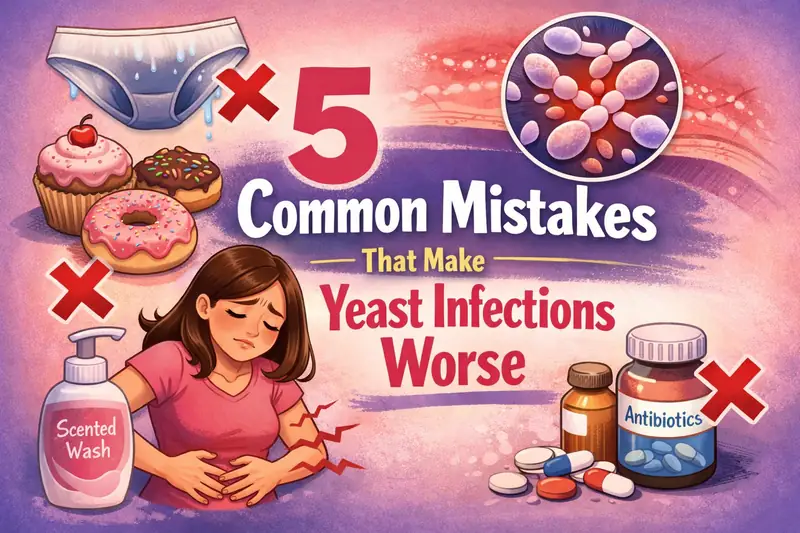
Yeast infections affect over 75% of women at least once in their lifetime, according to the CDC, turning what should be a short-lived annoyance into a frustrating, recurring ordeal. That intense itching, thick white discharge, and burning sensation? They stem from an overgrowth of Candida—a naturally occurring yeast—but everyday mistakes make yeast infections worse by creating the perfect storm of moisture, imbalance, and inflammation.
A yeast infection happens when a tiny fungus called Candida grows too fast. This fungus usually lives in your body without causing trouble. However, when things get out of balance, it spreads. This leads to symptoms like:
- Intense itching and soreness.
- A thick, white discharge that looks like cottage cheese.
- A burning feeling when you pee or during sex.
- Redness and swelling.
If you’re dealing with recurrent yeast infections, you’re not alone. Many women unknowingly sabotage their recovery with habits rooted in outdated advice or convenience. In this guide, we’ll uncover the top 10 mistakes that worsen yeast infections, backed by insights from sources like the Mayo Clinic and Cleveland Clinic. We’ll also share natural swaps, like probiotic-rich foods and breathable fabrics, to help you reclaim comfort fast. Ready to break the cycle?
What Causes Yeast Infections to Worsen?
To stop a yeast infection, you first need to understand how it grows. Your body usually keeps a healthy balance of bacteria and yeast. When that balance is lost, the fungus grows out of control.
The Science of the “Itch”: The vagina has a natural pH balance, which means it is slightly acidic to keep “bad” germs away. If that balance changes, yeast begins to take over. Two things that yeast loves most are heat and moisture. When moisture gets trapped against your skin, it creates a “greenhouse effect” where Candida can grow very fast.
Main Risk Factors: While anyone can get a yeast infection, these three things make them much more likely to happen or get worse:
- Antibiotics: These medicines kill bad germs, but they also kill the “good” bacteria that keep yeast in check.
- Hormone Changes: Changes in your body during pregnancy, your period, or while taking birth control can feed the yeast.
- Diabetes: Yeast loves sugar. If your blood sugar is high, it provides extra food for the fungus to grow.
While these causes vary for everyone, everyday choices can make the situation much more painful. Many people don’t realize that their daily habits are actually helping the infection grow.
While causes vary, these everyday mistakes amplify the problem. Let’s look at what you might be doing wrong.
1. Common Clothing and Lifestyle Mistakes

What you wear has a huge impact on your vaginal health. Since yeast loves warm, dark, and damp places, your clothing can either help you heal or make the infection spread. Here are the most common mistakes people make with their daily habits.
Wearing Tight, Non-Breathable Fabrics
One of the biggest mistakes is wearing tight jeans or synthetic leggings for too long. Fabrics like nylon, polyester, and spandex do not let your skin “breathe.” Instead, they trap heat and sweat against your body. This creates the perfect “breeding ground” for yeast. When you are fighting an infection, it is best to switch to loose-fitting clothes and 100% cotton fabrics. Cotton allows air to move, which helps keep the area dry.
Staying in Wet Clothes Too Long
We all lead busy lives, but staying in damp clothing is a major mistake. Whether you just finished a workout or spent the afternoon at the pool, you must change immediately. Sweat and pool water keep the vaginal area moist. This extra moisture feeds the Candida fungus and can make an itch feel much worse. Even if you aren’t ready to shower yet, changing into dry, clean clothes is essential for recovery.
Skipping Breathable Underwear
Your choice of underwear matters more than you think. Silk or nylon panties might look nice, but they trap moisture. Medical experts recommend wearing cotton underwear every day. Cotton is natural and helps wick moisture away from your skin. Another great tip for when you have a flare-up is to go commando at night. Sleeping without underwear allows the area to get plenty of fresh air, which helps stop the yeast from growing while you sleep.
Quick Tips for Relief: Clothing Swaps
Making small changes to your wardrobe can help you feel better almost instantly. Use this list of “Do’s and Don’ts” to guide you:
- Don’t: Wear tight thongs, which can cause friction and spread bacteria.
- Do: Switch to loose-fitting cotton briefs or “boy shorts.”
- Don’t: Wear yoga pants or leggings all day long.
- Do: Opt for flowy skirts or loose-fitting linen pants during a flare-up.
- Don’t: Re-wear workout gear without washing it.
- Do: Put on a fresh pair of cotton underwear after every shower.
2. Hygiene and Product Pitfalls

When you feel the discomfort of an infection, your first instinct might be to scrub the area to get “clean.” However, being too aggressive with your hygiene is one of the most common ways to make a yeast infection last longer. Your body has a natural way of cleaning itself, and interfering with that process usually backfires.
Douching and Scented Products
Many people believe that douching or using “feminine wipes” will wash away the infection. This is a big mistake. According to experts at the Mayo Clinic, your vagina stays healthy by maintaining a delicate balance of bacteria. Douching or using scented sprays and lotions can wash away the “good” bacteria (Lactobacillus) that fight off yeast. When those good germs are gone, the Candida fungus has even more room to grow. It is best to avoid any product with “fragrance” or “perfume” on the label.
Over-Washing with Harsh Soaps
It is tempting to use strong antibacterial soaps when you feel itchy, but these are often too harsh for sensitive skin. Strong soaps can strip away natural oils and protective bacteria. This leaves the skin irritated and more likely to stay infected. To stay clean without causing harm, use only warm water or a very mild, fragrance-free soap on the outside of your body only.
Ignoring Post-Sex Hygiene
Sexual activity doesn’t cause yeast infections, but it can make them worse by changing your pH balance. A simple but important step is to urinate immediately after sex. This helps flush out any bacteria that may have been pushed toward the urethra. Gently cleaning the external area with plain water after intimacy can also help keep the environment balanced and prevent further irritation.
Pro Tip: Try Natural Rinses
If you want a safe way to soothe the area, consider a natural approach. Some people find relief by using a very diluted apple cider vinegar rinse on the outside of the skin.
- How to do it: Mix one to two tablespoons of raw apple cider vinegar into a large cup of warm water.
- Why it works: This can help restore a healthy pH level to the skin without the use of harsh chemicals.
Always remember: the goal is to support your body’s natural defenses, not to replace them with chemicals. By keeping your hygiene routine simple, you give your body the best chance to heal quickly.
3. Dietary Blunders That Feed Yeast

The old saying “you are what you eat” is very true when dealing with a yeast infection. The Candida fungus that causes the infection needs fuel to grow. Your diet provides that fuel. Making mistakes with what you eat can turn a mild infection into a major problem.
High-Sugar Diets: Candy and Sodas
This is the number one dietary mistake. Yeast loves sugar. It is its favorite food source. When you eat lots of sugary snacks, candy, sodas, and sweet juices, you spike your blood sugar levels. This gives the Candida in your body a feast, allowing it to multiply rapidly. To fight an infection, you need to cut out the sugar. By starving the yeast, you slow its growth and give your body a chance to heal.
Excess Carbs and Yeast Foods
It is not just about table sugar. Eating too many refined carbohydrates, like white bread, pastries, and pasta, can also raise blood sugar quickly. You might also want to limit foods that contain yeast while you heal. These include items like:
- Beer and wine
- Some types of bread
- Kombucha
These foods may feed the existing inflammation and make symptoms feel worse. The goal is to eat clean foods that do not help the fungus spread.
Ignoring Probiotics and Healthy Bacteria
Your body relies on “good” bacteria (probiotics) to keep the yeast in check. If you aren’t eating foods with these helpful bacteria, you are missing a key defense mechanism. Many people make the mistake of not eating enough yogurt or other fermented foods.
- Look for: Plain Greek yogurt with live and active cultures. This helps put the good bacteria back into your system.
If you are taking antibiotics (which kill good bacteria), eating probiotics is even more important.
Including Foods That Support a Healthy Diet
Focusing on nutrient-rich foods can support overall well-being and may help manage inflammation. Here are some foods that can be incorporated into a balanced diet:
- Garlic: Known for various properties, it can be a flavorful addition to meals.
- Coconut Oil: A versatile oil that can be used in cooking or baking.
- Green Veggies: Broccoli, spinach, and kale are excellent sources of nutrients and are low in sugar.
- Lean Protein: Chicken, fish, and eggs provide protein and can help with satiety.
By focusing on a balanced and healthy diet, you can support your body’s natural functions. Always consult with a healthcare professional for personalized dietary advice, especially if you have health concerns or are managing a specific condition.
4. Medication and Treatment Errors

When you feel the first signs of an itch, you might want to fix it as fast as possible. However, rushing into the wrong treatment can make the problem last for weeks instead of days. Here are the most common mistakes people make with medicine.
Self-Medicating Without a Diagnosis
The biggest mistake is assuming every itch is a yeast infection. Many other issues, like Bacterial Vaginosis (BV) or certain STIs, have very similar symptoms. If you use a yeast infection cream on a bacterial infection, it won’t work. In fact, it can mask the real problem and let it get much worse. If this is your first time having these symptoms, or if they feel different than usual, you should always check with a doctor first.
Stopping Treatment Early
Most over-the-counter (OTC) treatments last for three to seven days. A common error is stopping the medicine the moment the itching stops. Just because you feel better doesn’t mean the fungus is gone. If you stop too soon, the remaining yeast can grow back even stronger. This is called rebound growth, and it often leads to an infection that is harder to treat the second time around. Always finish the entire box, even if you feel 100% better on day two.
Overusing Antibiotics
Antibiotics are great for fixing a sore throat or an ear infection, but they are a major cause of yeast infections. They kill the “good” bacteria that keep yeast under control. Many people take antibiotics for viral infections (like a cold), which doesn’t work and only ends up causing a yeast flare-up. Only take antibiotics when your doctor says they are absolutely necessary.
When to See a Doctor

Sometimes, home treatments aren’t enough. You should call a healthcare professional if you notice these “red flags”:
- You have a fever or chills.
- You feel pain in your lower stomach or back.
- The infection doesn’t go away after one full week of treatment.
- You get yeast infections more than four times a year.
By avoiding these treatment traps, you can ensure you are using the right medicine for the right problem, helping you get back to feeling like yourself much faster.
5. Overlooked Habits in Daily Routines
Sometimes, it isn’t just what you wear or eat that causes trouble. Your daily lifestyle and how you manage your health play a huge role too. If you are doing everything else right but still feel itchy, these hidden habits might be the reason why.
Poor Sleep and High Stress: When you don’t get enough sleep or feel very stressed, your immune system gets weak. Think of your immune system as a shield. When that shield is down, it is much harder for your body to fight off the Candida fungus. If you are constantly tired or overwhelmed at work, your body can’t keep the yeast in check. Taking time to rest and lower your stress can actually help your body heal faster.
Ignoring Underlying Conditions: A yeast infection is sometimes a “warning light” for other health issues. If you have unmanaged diabetes, the extra sugar in your blood and sweat acts like food for yeast. Also, big hormonal shifts—like those during pregnancy or right before your period—can change the environment in your body. If you keep getting infections, it is a good idea to talk to a doctor. They can check if something like high blood sugar is the real cause of the problem.
Hot Tub or Pool Overuse: While a long soak in a hot tub sounds relaxing, it can be a mistake for your vaginal health. The chlorine and other chemicals used to keep pools clean are very strong. These chemicals can kill the good bacteria that protect you. Additionally, sitting in a hot, bubbly tub provides the exact heat and moisture that yeast loves. If you are prone to infections, try to limit your time in chlorinated water and always shower and change into dry clothes the moment you get out.
By paying attention to these daily habits, you can strengthen your body’s defenses. Taking care of your stress, checking your overall health, and being careful at the pool are all simple ways to stop yeast infections before they start.
6. How to Fix These Mistakes: Prevention Plan
The good news is that you can fix these common mistakes. By changing a few habits, you can stop yeast infections from coming back. Here is a simple, step-by-step action plan to help you stay healthy and comfortable.
Step 1: Build a Simple Daily Hygiene Routine
Keep things clean but simple.
- Use water only: Wash the outside area of your vagina with warm water every day.
- Avoid all scents: Throw away all scented soaps, sprays, and douches. They cause more harm than good.
- Wipe front to back: This simple habit, after using the toilet, stops bacteria from moving to your vagina.
Step 2: Start a 7-Day Anti-Yeast Meal Plan
Starve the fungus by cutting out its favorite foods for one week.
- Cut the sugar: Remove all candy, soda, and sugary snacks.
- Eat real food: Focus on vegetables, lean meats, and nuts.
- Boost good bacteria: Eat plain, unsweetened yogurt every day.
- Stay hydrated: Drink plenty of water to help your body flush things out.
Step 3: Do a Wardrobe Audit
Go through your clothes and get rid of items that trap moisture.
- Toss the synthetics: Get rid of old nylon underwear and switch to 100% cotton briefs.
- Choose loose over tight: Wear skirts or loose pants instead of tight leggings every day.
- Change fast: Always change immediately after swimming or working out. Do not sit in wet clothes.
Step 4: Use Long-Term Strategies
These habits help keep your body balanced for good.
- Take a probiotic supplement: Talk to your doctor about a daily probiotic pill. This adds good bacteria to your system to fight yeast.
- Manage health issues: If you have diabetes, work with your doctor to keep your blood sugar steady.
- Reduce stress: Find ways to relax, like walking, reading a book, or getting a full night’s sleep. A happy, rested body fights off infections better.
By following this plan, you are taking control of your health. Stopping yeast infections from getting worse starts with these small, smart choices. You can also check our ultimate guide on remedies for yeast infection and what works and does not for yeast infection.
Takeaway
Dealing with a yeast infection is frustrating, but making simple changes can prevent it from becoming a recurring problem. The key is to understand that what you wear, what you eat, and how you treat your body all affect your natural balance. By fixing common mistakes, you give your body the power to heal.
Recap: The Top 3 Mistakes to Avoid
- Using harsh hygiene products: Stop using scented soaps, douches, and sprays that kill good bacteria.
- Eating too much sugar: Cut back on sugary treats and refined carbs that feed the Candida fungus.
- Stopping treatment early: Always finish the full course of medicine, even if you feel better after a day or two.
Break the Cycle with These Simple Swaps
You can take control of your health today. By switching to cotton underwear, managing your diet, and using gentle hygiene products, you can stop yeast infections in their tracks. Don’t let common mistakes turn a minor issue into a major source of stress. Take action, follow our prevention plan, and reclaim your comfort.
- Candidiasis Basics
https://www.cdc.gov/candidiasis/about/index.html - Vaginal Yeast Infection
https://my.clevelandclinic.org/health/diseases/5019-vaginal-yeast-infection - Vaginal Yeast Infection
https://www.health.harvard.edu/a_to_z/vaginal-yeast-infection-a-to-z - Learn the daily habits that can lead to a yeast infection
https://wexnermedical.osu.edu/our-stories/daily-habits-that-can-lead-to-a-yeast-infection - 6 Tips That Can Help You Avoid a Yeast Infection
https://www.uhhospitals.org/blog/articles/2014/06/its-bathing-suit-season-6-tips-to-prevent-yeast-infections - Yeast Infection Prevention: 10 Ways to Prevent Yeast Infections
https://www.webmd.com/women/10-ways-to-prevent-yeast-infections - Preventing Vaginal Yeast Infections With Lifestyle and Diet Changes
https://intermountainhealthcare.org/blogs/article/preventing-vaginal-yeast-infections-with-lifestyle-and-diet-changes - Tips for Avoiding a Yeast Infection | Riverwalk OBGYN
https://riverwalkobgyn.com/tips-for-avoiding-a-yeast-infection/ - How Can I Prevent Yeast Infections? – Ask The Nurse Expert
https://askthenurseexpert.com/how-can-i-prevent-yeast-infections/ - Vaginal Yeast Infection: Causes, Symptoms & Treatment | Cleveland Clinic
https://my.clevelandclinic.org/health/diseases/5019-vaginal-yeast-infection - Yeast infection (vaginal) – Symptoms and causes | Mayo Clinic
https://www.mayoclinic.org/diseases-conditions/yeast-infection/symptoms-causes/syc-20378999
Trust in your purchase:
Every product featured on our site has been carefully researched and selected based on quality, customer ratings, and positive reviews to ensure you receive excellent value for your money.
Please note:
This post contains affiliate links. If you make a purchase through these links, we may earn a small commission at no additional cost to you. This helps support our site and allows us to continue bringing you valuable content. Thank you!
Thank you for your precious time spent with NobleHomeRemedies.
You may also like:
Dry Skin Home Remedies
10 Dry Skin Home Remedies: Symptoms, Prevention, Moisturizers Dry skin conditions have given a big…

Gastroparesis Life Expectancy
Gastroparesis Life Expectancy: 4 Best Way to Treat IT! Living with gastroparesis can present significant…

Beetroot juice benefits – Inflammation
Beetroot Juice Benefits: The Ultimate Anti-Inflammatory Drink! The Power of the Purple Pour If you…

Natural Antibiotics For UTI
11 Best Natural Antibiotics For UTI – Natural Remedies Urinary tract infections (UTIs) are the…

Top 8 Natural Herbs for Diabetes type 2 – Remedies
Top 8 Natural Herbs for Diabetes Type 2 – Remedies Use natural herbs for diabetes to…

Epsom Salt Stress Relief
Epsom Salt Stress Relief: Guide to Instant Calm in 5 Steps Stress is an unavoidable…