
Yeast Infection Relief: What Works, What Doesn’t, & What Is Dangerous
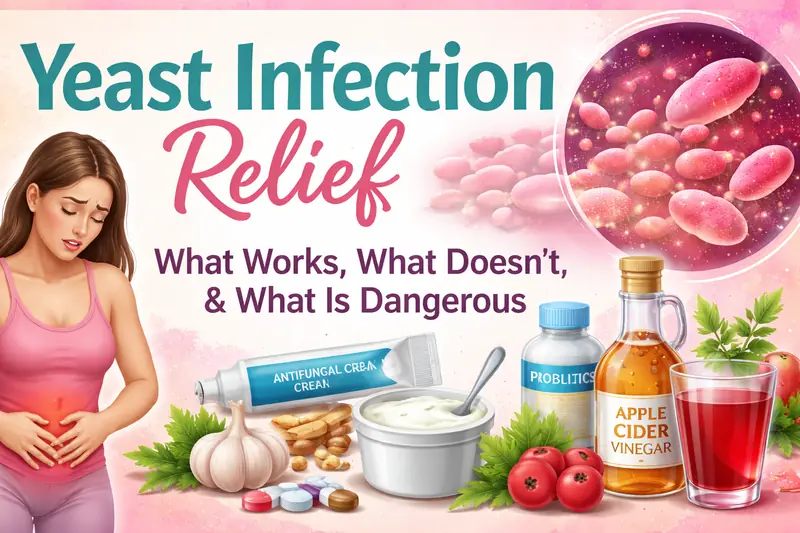
Few things are as disruptive to your daily life as the sudden, intense itching and burning of a vaginal yeast infection. If you are currently scouring the internet for a quick fix, you’ve likely seen a dizzying array of suggestions that range from specialized pharmaceutical creams to putting kitchen staples in your underwear.
The problem is that not all advice is good advice. In fact, some “natural” remedies can turn a minor imbalance into a painful, long-term health issue.
In this comprehensive guide, we are separating the science from the folklore. We’ll look at what actually stops yeyeast overgrowth, what simply masks the symptomsand what you should avoid at all costs.
Understanding the Enemy: What is Candida?
To understand how to find relief, you have to understand what you are fighting. A yeast infection is caused by an overgrowth of a fungus called Candida, usually Candida albicans.
Under normal circumstances, your vagina is a perfectly balanced ecosystem. It contains a mix of yeast and “good” bacteria, specifically Lactobacillus. This bacterium produces lactic acid, which keeps the environment slightly acidic and prevents yeast from multiplying out of control.
A yeast infection occurs when this balance is tipped by:
- Antibiotic use (which kills the “good” bacteria).
- Hormonal fluctuations (pregnancy, birth control, or your period).
- Elevated blood sugar levels.
- A weakened immune system.
When the balance shifts, the yeast begins to grow rapidly, invading the vaginal tissue and causing the signature itching, swelling, and “cottage cheese” discharge.
What Works: The Gold Standard Treatments

If you want the fastest, most reliable relief, science points toward these specific treatments. These are categorized as “Gold Standard” because they have undergone rigorous clinical testing. If you need natural remedies, check out our guide on How to Get Rid of Yeast Infection Naturally.
1. Over-the-Counter (OTC) Antifungals (The “Azoles”)
You likely know these by brand names like Monistat or Vagisil. These products contain antifungal agents such as Miconazole, Clotrimazole, or Tioconazole.
- How they work: These medications work by inhibiting the production of ergosterol, a vital component of the fungal cell membrane. Without it, the yeast cell essentially “leaks” and dies.
- The Options: They come in 1-day, 3-day, and 7-day treatments.
- Pro Tip: While the 1-day treatment is tempting, many doctors recommend the 7-day course for more thorough relief, especially if you have sensitive skin, as the 1-day dose is highly concentrated and can cause a temporary burning sensation.
2. Prescription Oral Medication (Fluconazole)
Commonly known as Diflucan, this is a single-pill treatment prescribed by a doctor.
- How it works: Like OTC creams, it stops the growth of yeast but works systemically (throughout your body).
- Why it’s popular: It is incredibly convenient. There are no messy creams or suppositories.
- The Reality Check: While the pill is convenient, it may take 12 to 24 hours to begin feeling relief, whereas topical creams can provide immediate soothing to the external skin.
3. Boric Acid Suppositories (The “Biofilm” Breaker)
Boric acid suppositories have gained massive popularity on social media recently, and for good reason. It actually works, especially for stubborn cases.
- The Science: Some strains of yeast are resistant to standard “azole” creams. Boric acid is an antiseptic that helps restore the natural acidic pH of the vagina and breaks down “biofilms”—the protective shields that yeast builds around itself to hide from medications.
- Best For: Recurrent infections or “non-albicans” yeast strains.
- Safety Warning: Boric acid is toxic if swallowed. It should only ever be used as a vaginal suppository.
4. Specific Probiotic Strains (The Long Game)
Not all probiotics are created equal. If you are taking a generic probiotic, it may not be helping your vaginal health at all.
- What to look for: Look for supplements containing Lactobacillus reuteri and Lactobacillus rhamnosus. These specific strains have been clinically shown to survive the journey through the digestive tract and colonize the vaginal area, helping to crowd out the yeast.
- The Role: Probiotics are better at prevention and maintenance than they are at “curing” an active, intense infection.
5. Using Specialized Care Gels (Lactomedi)
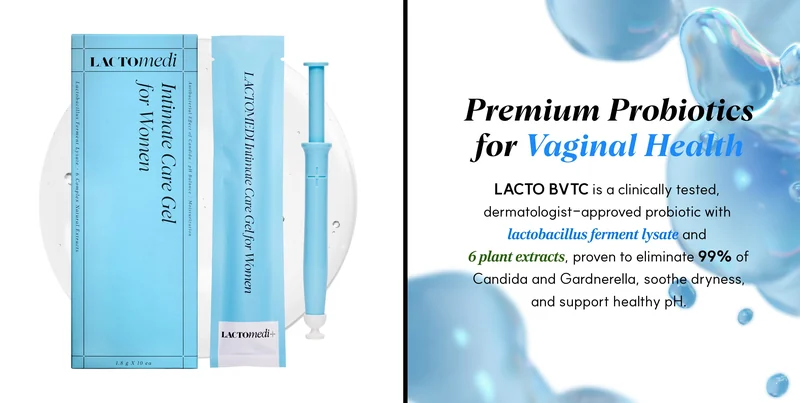
Some products, like Lactomedi, are made specifically to help the body stay healthy and balanced. Unlike home remedies, these are designed to work with your body’s natural systems. Here is how they help:
- Brings Back “Good” Germs: This gel contains probiotics. These are helpful “good” germs that live in your body. They help fight off the yeast and keep the “bad” germs from growing too fast.
- Fixes the pH Balance: Your body needs to stay slightly acidic to stay healthy. This gel helps fix the balance (the pH) so that yeast has a harder time living there.
- Helps with Smell and Itch: Because it fixes the balance of the body, it can help get rid of itchy feelings and smells that don’t seem right.
- Easy to Use Safely: This product comes with a special tool called an applicator. This makes it easy to put the gel exactly where it needs to go without making a mess or using your fingers, which keeps things clean.
- A 10-Day Plan: To make sure it works well, it is often used for 10 days in a row. This gives the “good” germs enough time to settle in and start protecting you again.
Remember: Even though these gels are very helpful for balance, if your symptoms are very painful or do not go away, you should still check in with a doctor to see if you need a stronger medicine.
Speed of Relief: At-a-Glance Comparison
When you’re in pain, timing is everything. Here is how the most common effective treatments compare:
| Treatment | Time to Start Feeling Relief | Time to Full Cure | Best For… |
| OTC Creams (7-Day) | 30–60 minutes (topical) | 7 Days | First-time infections; immediate external itching. |
| Oral Fluconazole | 12–24 Hours | 3–7 Days | Convenience; those who dislike creams. |
| Boric Acid | 24–48 Hours | 7–14 Days | Recurrent or resistant infections. |
| Probiotics | Days to Weeks | N/A (Maintenance) | Preventing future infections. |
The “Cooling” Effect: Does Yogurt Actually Work?
This is perhaps the most debated “natural” remedy. Let’s look at the facts:
- What doesn’t work: Eating a single cup of yogurt will not cure a vaginal yeast infection. The amount of bacteria that reaches the vagina through digestion is minimal.
- What can help: Applying plain, unsweetened Greek yogurt topically can provide immediate, cold relief for external itching and burning. Some studies suggest that the Lactobacillus in yogurt can help slightly, but it is far less effective than an antifungal.
- The Risk: If you use yogurt that contains any sugar or fruit, you are essentially “feeding” the yeast, which will make the infection much worse.
Note to Reader: If your symptoms include a strong “fishy” odor, fever, or lower abdominal pain, you may not have a yeast infection. These are signs of Bacterial Vaginosis (BV) or an STI, both of which require different medical treatments.
Soothing Relief with Aloe Vera
Aloe vera is a plant with thick leaves that hold a clear, cool gel. Many people use it for sunburns, but it can also help with the itchy feeling of a yeast infection. Here is what you should know:
- It feels cooling: The gel from the plant is very cooling. When put on the skin outside the body, it can stop the “burning” feeling and help the skin feel less itchy right away.
- It helps the skin heal: Constant itching can make the skin red and sore. Aloe vera has vitamins that help the skin repair itself and stay soft.
- It is not a “yeast killer”: While aloe feels good, it usually cannot kill the infection on its own. You still need medicine from a doctor or a store to make the yeast go away for good.
- Use the pure kind: Many aloe gels sold in stores have perfumes or alcohol in them. These can sting and make the infection feel much worse. If you use it, make sure it is 100% pure aloe with nothing else added.
A Quick Tip: Always test a tiny bit of the gel on your arm first. If your skin doesn’t get red or bumpy after a few minutes, it is likely safe to use on other itchy spots.
What Doesn’t Work: Myths and Dangerous “Hacks”

When you are desperate for relief, it is tempting to try anything in your pantry. However, the vaginal ecosystem is incredibly sensitive. Using the wrong “remedy” can lead to chemical burns, secondary infections, and long-term disruption of your pH balance. Many women make mistakes that make yeast Infections worse without realizing it.
1. The Garlic Clove Myth
This is perhaps the most persistent “natural” myth on social media. While garlic contains allicin, which has proven antifungal and antibacterial properties in a lab setting, a vaginal environment is not a petri dish.
- The Reality: Inserting a garlic clove can cause tiny abrasions in the vaginal wall. Furthermore, the oils in garlic are extremely potent and can lead to chemical burns on the sensitive mucosa.
- The Risk: You also risk introducing soil-borne bacteria (like botulism) into your body.
2. Douching (The Biggest Mistake)
Many women feel “unclean” during an infection and reach for a douche to wash away the discharge. This is the worst thing you can do.
- The Reality: Your vagina is a self-cleaning oven. Douching flushes out the Lactobacillus (the good bacteria) that you desperately need to fight the yeast.
- The Risk: Douching can actually push the yeast or bacteria further up into the cervix and uterus, potentially leading to Pelvic Inflammatory Disease (PID).
3. Undiluted Essential Oils (Tea Tree and Oregano)
Essential oils are powerful antimicrobials, but they are also highly caustic.
- The Reality: Putting undiluted tea tree oil or oregano oil directly on vaginal tissue is akin to putting it on an open wound.
- The Fix: If you use tea tree oil, it must be pre-diluted in a carrier oil (like coconut oil) or used in a professionally formulated suppository. Never use “pure” essential oils internally.
4. Hydrogen Peroxide
While some older studies suggested that hydrogen peroxide could help with Bacterial Vaginosis, it is not an effective or safe treatment for yeast. It is too harsh for the delicate tissues and can kill off the remaining healthy flora, leaving you more vulnerable to a repeat infection.
5. Standard “Feminine Hygiene” Sprays and Wipes
Products marketed to make you smell like “tropical flowers” or “fresh linen” are often loaded with alcohols and synthetic fragrances. These act as irritants that can mimic the symptoms of a yeast infection (itching and redness) even if the yeast is gone.
6. The Risks of Using Baking Soda
When looking for ways to feel better, some people think about using baking soda. However, using it for a yeast infection can lead to problems. Here are some risks to know about:
- It can upset the body’s balance: The body has a natural balance of “good” germs that keep it healthy. Baking soda is very different from the body’s natural state. Using it can hide the real problem or even lead to different types of infections.
- It is not a real cure: Baking soda does not kill the yeast that causes the infection. While it might stop the itching for a short time, the infection is still there. If the infection is not treated with the right medicine, it can get much worse.
- It can hurt the skin: Baking soda can be very harsh. It can make the skin dry, red, and itchy. This can cause tiny cracks in the skin that make the area sting and feel even more painful.
- It can be dangerous: If baking soda gets inside your vaginal area, it could disrupt your vaginal flora, making the infection worse
Lifestyle Tweaks: How to Support the Healing Process

Treating the yeast is only half the battle. You also need to change the environment that allowed the yeast to overgrow in the first place. Think of this as “rehabilitation” for your microbiome. Prevention is key. Learn how to stop yeast infections from coming back for good.
1. The “Cotton Only” Rule
Yeast thrives in warm, moist, and dark environments. Synthetic fabrics like polyester, lace, and nylon trap heat and moisture against your skin.
- The Tweak: Switch to 100% cotton underwear. Cotton is breathable and allows moisture to evaporate.
- Tip: If you must wear leggings or synthetic workout gear, change out of them the second you are done with your workout.
2. The “Commando” Strategy
One of the simplest ways to speed up relief is to give the area air.
- The Tweak: Sleep without underwear. This reduces the heat and moisture buildup overnight, making the environment less hospitable for Candida.
3. Fragrance-Free Everything
During an active infection, your skin is highly sensitized.
- The Tweak: Switch to a “Free and Clear” laundry detergent and avoid fabric softeners or dryer sheets on your underwear. When washing the area, use only warm water or a very mild, fragrance-free cleanser specifically designed for sensitive skin.
4. Wiping Protocol
It sounds basic, but it’s a leading cause of recurring infections.
- The Tweak: Always wipe from front to back. Wiping back to front can transfer yeast and bacteria from the anal area to the vagina, creating a never-ending cycle of reinfection.
5. Managing the “Sugar Spike”
While the “Candida Diet” is often debated by doctors, there is clear evidence that high blood sugar levels can worsen an active infection. Yeast feeds on sugar.
- The Tweak: While you are treating an infection, try to limit refined sugars, sodas, and heavy alcohol consumption. Focus on hydration and fiber-rich foods to help your body regulate its natural defenses.
When “Relief” Isn’t Enough: Addressing the Chronic Cycle
If you find that your symptoms return every month—often right before or after your period—you may be dealing with Recurrent Vulvovaginal Candidiasis (RVVC).
- The Hormonal Connection: Estrogen helps the vagina produce glycogen, which yeast uses for food. This is why many women experience “cyclic” yeast infections tied to their menstrual cycle.
- The Hidden Culprit: Sometimes, a recurring “yeast infection” isn’t yeast at all. It could be Cytolytic Vaginosis (an overgrowth of good bacteria) or a low-grade allergy to latex or spermicides.
Comparison: Is it Yeast or Something Else?
| Symptom | Yeast Infection | Bacterial Vaginosis (BV) | Trichomoniasis (STI) |
| Discharge | Thick, white, “cottage cheese” | Thin, gray, or white | Green/Yellow, frothy |
| Odor | None or slightly “yeasty” | Strong, fishy | Foul or “musty” |
| Itching | Severe | Mild to Moderate | Severe |
| Pain | Burning during urination | Usually none | Pain during intercourse |
Note to Reader: Many women misdiagnose themselves. Studies show that up to 50% of women who think they have a yeast infection actually have Bacterial Vaginosis or a localized skin allergy. If OTC treatments don’t work within 3 days, it’s time to see a provider for a swab test.
Your 14-Day Recovery Action Plan for Yeast Infection Relief
Healing a yeast infection isn’t just about taking a pill; it’s about a two-week window of “rehab” for your body. Use this checklist to ensure the infection is gone for good.
Days 1–3: The Crisis Phase
- Confirm the Symptoms: If this is your first infection, or if the discharge has a foul odor, stop and see a doctor. If it’s a classic yeast infection, start your treatment (OTC or Prescription) immediately.
- External Relief: Use a cold compress or a thin layer of plain Greek yogurt (external only!) to soothe the intense itching while the medication begins to work.
- Clear the Calendar: Avoid sexual activity and intense, friction-heavy workouts (like cycling) for these first 72 hours.
- Laundry Swap: Switch to 100% cotton underwear and loose-fitting pants.
Days 4–7: The Consistency Phase
- Don’t Stop Early: This is the most common mistake. Even if the itching stops on Day 4, continue your 7-day cream or complete the full course prescribed. Yeast is resilient; stopping early allows the strongest fungus to survive and multiply.
- Probiotic Loading: Begin taking a high-quality vaginal probiotic containing L. reuteri.
- Hydration: Drink at least 8–10 glasses of water daily to help your body flush out toxins and maintain mucosal health.
Days 8–14: The Restoration Phase
- The “Sugar Detox”: Continue to limit processed sugars and alcohol to starve any remaining yeast spores.
- Check the pH: Use an over-the-counter pH testing strip to see if your acidity has returned to normal (between 3.8 and 4.5).
- Sanitize: Wash the towels and underwear you used during the infection in hot water with a splash of white vinegar to ensure no spores remain.
Frequently Asked Questions (FAQs)
Final Thoughts: Listening to Your Body
A yeast infection is your body’s way of saying that your internal ecosystem is out of balance. While the “What Works” section of this guide will help you find immediate relief, the “Lifestyle Tweaks” are what will keep you healthy in the long run.
Treat your body with patience. If you’ve followed the “Gold Standard” treatments and haven’t seen improvement in 7 days, please consult a healthcare professional. You deserve to feel comfortable in your own skin.
- Candidiasis (Yeast Infection) – World Health Organization (WHO) https://www.who.int/news-room/fact-sheets/detail/candidiasis-(yeast-infection
- Vulvovaginal Candidiasis – STI Treatment Guidelines – Centers for Disease Control and Prevention (CDC) https://www.cdc.gov/std/treatment-guidelines/candidiasis.htm
- Fluconazole (Oral Route) – Side Effects & Dosage – Mayo Clinic https://www.mayoclinic.org/drugs-supplements/fluconazole-oral-route/description/drg-20071428
- Boric Acid for Vaginal Yeast Infection – HealthLink BC https://www.healthlinkbc.ca/healthwise/boric-acid-vaginal-yeast-infection
- Use of Probiotic Lactobacilli in the Treatment of Vaginal Infections – Frontiers in Cellular and Infection Microbiology https://www.frontiersin.org/journals/cellular-and-infection-microbiology/articles/10.3389/fcimb.2023.1153894/full
- Vaginal Yeast Infection: Symptoms, Causes, and Treatment – WebMD https://www.webmd.com/women/understanding-vaginal-yeast-infection-basics
- Don’t Use Garlic to Treat Vaginal Yeast Infections – KevinMD https://kevinmd.com/2016/10/dont-use-garlic-treat-vaginal-yeast-infections.html
Medical Disclaimer
The information provided in this article is for educational and informational purposes only and is not intended as medical advice, diagnosis, or treatment. Always seek the advice of your physician or other qualified health provider with any questions you may have regarding a medical condition. Never disregard professional medical advice or delay in seeking it because of something you have read on this website. If you think you may have a medical emergency, call your doctor or local emergency services immediately.
Trust in your purchase:
Every product featured on our site has been carefully researched and selected based on quality, customer ratings, and positive reviews to ensure you receive excellent value for your money.
Please note:
This post contains affiliate links. If you make a purchase through these links, we may earn a small commission at no additional cost to you. This helps support our site and allows us to continue bringing you valuable content. Thank you!
Thank you for your precious time spent with NobleHomeRemedies.
You may also like:
Does Almond Milk Cause Constipation
Does almond milk cause constipation? Truth is Revealed If you’re reading this, you may be…
Underarms Boils Home Remedy
Effective Underarms Boils Home Remedy: 7 Proven Treatments Boils under your arms can be extremely…
Toothpaste on Boils
Toothpaste on Boils: From Painful Boils to Beautiful Skin Boils are painful and inflamed bumps…
inflammation juice recipes
Best Inflammation Juice Recipes: Remedies to Beat Inflammation Fast Do you ever just feel… not…
Dry Callus Remover Home Remedy
How to Get Rid of Calluses on Feet: 11 Best Remedies This article covers dry…
Epsom Salt for Boils
Epsom Salt for Boils – 4 The Best Remedies Boils can be painful and may…