
Alkaline Juice Recipes: Fresh Fruit & Vegetable Drinks
What Is Alkaline Juice?
Alkaline juice refers to fresh beverages made primarily from mineral-rich vegetables and low-sugar fruits. These drinks focus on nutritious ingredients like spinach, kale, cucumber, celery, and fresh lemon.
Unlike commercial sugary beverages, fresh alkaline drinks supply essential nutrients such as potassium, magnesium, and calcium. If you are new to plant-focused eating, you can explore the basic principles in our comprehensive Alkaline Diet for Beginners guide.
PRAL vs. Blood pH: Understanding the Science
When discussing alkaline juice recipes, there is often confusion about how dietary choices interact with internal body chemistry. Medical research and scientific consensus clarify the following facts:
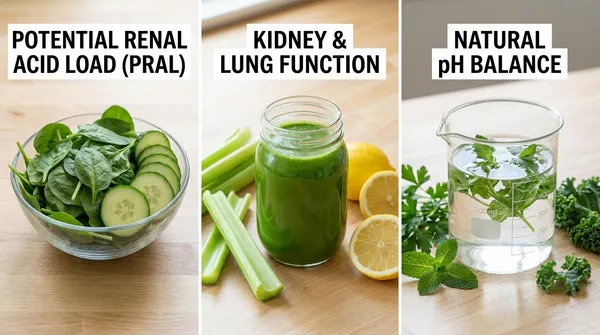
- Potential Renal Acid Load (PRAL): PRAL measures whether a food or drink produces acidic or alkaline mineral byproducts after it is digested. Leafy greens and fresh vegetables have a negative PRAL score, meaning they supply alkaline-forming minerals.
- Blood pH Homeostasis: In a healthy individual, food and drink do not alter blood pH. The human body strictly maintains blood pH within a narrow, slightly alkaline range of 7.35 to 7.45.
- Role of the Lungs and Kidneys: Your lungs and kidneys work continuously to manage acid-base balance and remove metabolic byproducts.
- Urine pH vs. Blood Chemistry: Drinking alkaline juice can alter urine pH. This change indicates that your kidneys are actively excreting excess minerals and dietary acid loads.
Why People Drink Fresh Vegetable and Fruit Juices
Drinking fresh vegetable juice is a practical way to consume more whole plant foods every day. Studies suggest that eating or drinking more mineral-dense vegetables provides antioxidants, supports daily hydration, and reduces overall metabolic stress.
Preparing homemade alkaline juice offers a quick way to enjoy a wide variety of essential vitamins and minerals in a single, easily digestible drink.
Top Ingredients for Alkaline Juices
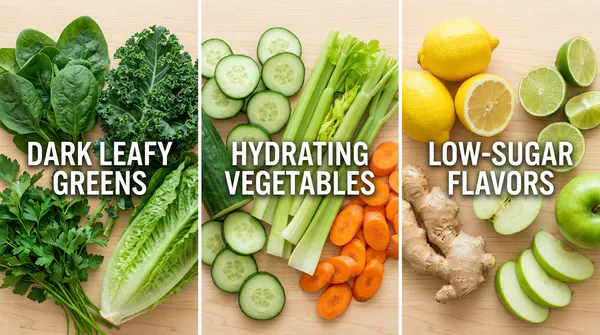
When creating fresh alkaline drinks, vegetables serve as the main foundation because they are rich in essential minerals and low in natural sugars. Selecting the right produce helps balance taste while supplying key nutrients.
1. Dark Leafy Greens
Dark leafy greens supply high amounts of alkaline-forming minerals such as potassium, magnesium, and calcium. They are also rich in natural chlorophyll and plant antioxidants:
- Spinach: Features a very mild taste and a high concentration of alkaline-forming minerals. It blends smoothly into almost any green juice.
- Kale: Nutrient-dense and packed with vitamins. Because kale can taste slightly bitter, it pairs best with mild vegetables or a touch of citrus.
- Romaine Lettuce: Offers a light, crisp flavor and high water content.
- Parsley: A fresh herb that adds a vibrant taste while providing concentrated vitamins and minerals.
2. Hydrating Vegetables
Hydrating vegetables form the liquid base of most alkaline juice recipes, supplying natural water and electrolytes:
- Cucumber: Consists of roughly 95% water, making it an ideal hydrating base for homemade vegetable drinks.
- Celery: Naturally rich in potassium and sodium, which help support daily fluid balance.
- Carrots and Beets: Sweet root vegetables that soften the earthy taste of dark greens while contributing valuable plant pigments.
3. Low-Sugar Fruits & Flavor Enhancers
While fruit adds pleasant sweetness, high-sugar fruits contain fructose, which can outweigh mineral benefits if used in large amounts. Using low-sugar fruits keeps your beverage balanced:
- Lemons and Limes (The Citrus Paradox): In their natural state, lemons taste acidic due to citric acid. However, once digested, they release alkaline-forming minerals like potassium and magnesium. This gives citrus an alkaline-forming effect inside the body without adding high amounts of fruit sugar.
- Ginger: Provides a spicy flavor kick while naturally soothing the stomach.
- Pears and Green Apples: Gentle options for beginners who want a touch of natural sweetness to balance strong leafy greens.
4 Simple & Fresh Alkaline Juice Recipes
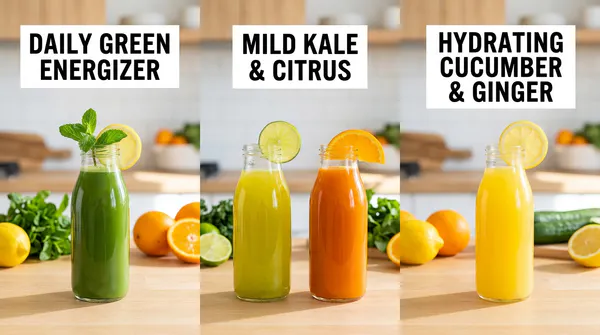
Making fresh alkaline juice recipes at home is a simple way to add nutrient-dense produce to your daily routine. When starting out, combining mild vegetables with low-sugar fruits helps create balanced, delicious drinks. Below are four easy recipes designed for beginners.
1. The Daily Green Energizer
This classic green blend uses mild vegetables and a touch of fruit to create an easy-drinking daily juice.
- Ingredients:
- 2 cups fresh spinach
- 3 stalks celery
- 1 medium cucumber
- 1 ripe pear
- 1 whole lemon
- A small handful of fresh parsley
- Taste Profile: Crisp, light, and mildly sweet without an overpowering vegetable flavor.
- Step-by-Step Preparation:
- Wash all produce thoroughly under clean running water.
- Chop the pear and celery into small pieces to fit your juicer feed chute.
- Peel the lemon if it is non-organic.
- Pass all ingredients through the juicer, stir well, and drink immediately.
2. Mild Kale & Citrus Blend
Kale is one of the most nutrient-dense greens available, but its raw flavor can be strong. Pineapple and lemon naturally soften the earthy taste of kale.
- Ingredients:
- 1 large kale leaf (roughly chopped)
- ½ head Romaine lettuce
- 1½ cups fresh pineapple chunks
- 1 whole lemon
- Taste Profile: Tangy, sweet, and bright with a balanced tropical taste.
- Step-by-Step Preparation:
- Wash the kale leaves and Romaine lettuce thoroughly.
- Cut the pineapple flesh into small chunks.
- Peel the lemon to remove the outer rind.
- Feed the greens and fruit into your juicer and stir before serving.
3. Hydrating Cucumber & Ginger Spark
Cucumber provides a refreshing liquid base, while carrots add subtle sweetness and ginger offers a warm flavor kick.
- Ingredients:
- 1 large cucumber
- 3 medium carrots
- 1-inch piece of fresh ginger root
- A small handful of fresh parsley
- 1 whole lemon
- Taste Profile: Hydrating, zesty, and slightly spicy.
- Step-by-Step Preparation:
- Wash all produce thoroughly under cool water.
- Peel the carrots, ginger, and lemon.
- Cut the cucumber into long slices.
- Process all items through your juicer and mix well.
4. Refreshing Summer Citrus Drink
This fruit-focused beverage provides a bright alternative when you want a light, energizing treat.
- Ingredients:
- 1 whole orange
- 2 cups fresh pineapple chunks
- ½ whole lemon
- A few fresh mint leaves
- Taste Profile: Sweet, tropical, and cooling with a hint of fresh mint.
- Step-by-Step Preparation:
- Peel the orange and lemon to remove the outer rinds.
- Cut the fresh pineapple into manageable chunks.
- Juice the citrus, pineapple, and mint leaves together.
- Stir well and serve cold over ice.
Side Effects & Precautions (Who Should Avoid This)
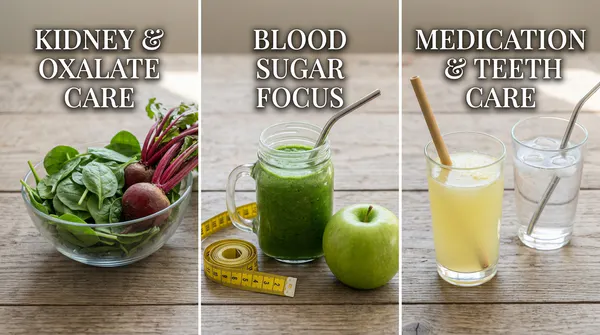
While fresh vegetable and fruit drinks can be part of a healthy lifestyle, they are not suitable for everyone. Because juicing concentrates plant ingredients, it also concentrates certain minerals and natural compounds that may pose health risks for specific individuals.
1. Kidney Conditions & High-Oxalate Foods
Certain leafy greens and root vegetables, such as spinach, Swiss chard, and beet greens, contain high levels of potassium and oxalates:
- Kidney Stones: Consuming large amounts of high-oxalate juices may increase the risk of calcium oxalate kidney stones in people prone to developing them.
- Impaired Kidney Function: Individuals with chronic kidney disease (CKD) need to carefully monitor their potassium intake. Impaired kidneys cannot remove excess potassium effectively, which can lead to serious health complications.
2. Blood Sugar Management & Diabetes
Extracting juice removes the insoluble plant fiber while keeping liquid natural sugars:
- Rapid Sugar Absorption: Without natural fiber to slow down digestion, natural sugars from fruits (such as oranges, apples, and pineapples) enter the bloodstream quickly.
- Managing Diabetes: People living with diabetes or insulin resistance should focus mainly on non-starchy green vegetables and keep fruit portions small to prevent sudden blood sugar spikes.
3. Prescription Medication Interactions
Ingredients commonly used in green beverages can interact with certain prescription drugs:
- Blood Thinners (Warfarin): Dark leafy greens like kale and spinach are rich in Vitamin K, an essential nutrient involved in blood clotting. Rapid changes in Vitamin K intake can alter how blood-thinning medications work.
- Blood Pressure Medications: Consuming high doses of potassium-rich vegetable juices may interact with blood pressure treatments. Always consult your prescribing doctor before making major dietary changes.
4. Protecting Tooth Enamel
Even though citrus fruits like lemons and limes produce alkaline-forming mineral byproducts after digestion, fresh citrus juice is naturally acidic in the mouth:
- Enamel Protection: Regular contact with acidic liquids can temporarily soften tooth enamel over time.
- Simple Dental Tips: Sip acidic beverages through a straw and rinse your mouth with plain water right after drinking. Wait at least 30 minutes before brushing your teeth to protect softened enamel.
Practical Juicing Tips for Beginners

Making fresh vegetable juice at home is simple when you follow a few basic guidelines. These practical tips help you get the most out of your ingredients while keeping your routine safe and enjoyable.
1. Juicing vs. Blending: What Is the Difference?
Understanding how juicing differs from blending helps you choose the right beverage for your daily needs:
- Juicing: Uses a juicer machine to extract liquid water and dissolved minerals while straining out insoluble plant fiber. This produces a smooth, thin drink that digests quickly.
- Blending: Uses a blender to process the entire fruit or vegetable, keeping all natural plant fiber intact. This results in a thicker smoothie.
- Which to Choose: Fresh juices offer quick hydration and concentrated vitamins. Smoothies provide dietary fiber, which supports digestion and helps keep you feeling full longer.
2. Storage, Safety, and Freshness
Fresh, unpasteurized vegetable juice can quickly spoil or grow bacteria if left at room temperature. Follow these simple food safety steps:
- Drink Fresh: Consume your homemade juice immediately after making it for the best taste, nutrient quality, and safety.
- Short-Term Refrigeration: If you need to save juice for later, store it in a clean, airtight glass bottle in the refrigerator and drink it within 24 hours.
- Wash Produce Thoroughly: Always scrub raw fruits and vegetables under clean running water before preparing them to remove dirt and surface bacteria.
3. Adopt a Balanced Approach (Avoid Extreme Cleanses)
While fresh alkaline juice is a nutritious treat, it should never replace whole meals or serve as an extreme “detox fast”:
- Your Body Cleanses Itself: Your liver, kidneys, and digestive tract naturally process waste every day. You do not need extreme juice fasts to remove toxins.
- Supplement Whole Foods: Enjoy juices alongside balanced meals that include solid plant foods, lean protein, healthy fats, and whole grains.
- Avoid Starvation Fasting: Relying solely on liquid juice for days at a time can lead to fatigue, muscle loss, and blood sugar instability.
Frequently Asked Questions & Conclusion
1. Can alkaline juice cure diseases or change blood pH?
No. Scientific consensus confirms that no single food or beverage can cure disease or alter your blood pH. Your lungs and kidneys naturally keep your blood pH strictly balanced. Fresh vegetable juices provide valuable vitamins, minerals, and hydration, but they function as healthy drinks rather than medical treatments.
2. When is the best time to drink fresh vegetable juice?
Many people prefer drinking fresh juice in the morning or as an afternoon pick-me-up. However, the exact time matters far less than overall daily consistency. You can enjoy fresh vegetable juice whenever it fits comfortably into your routine.
3. Is it safe to drink fresh alkaline juice every day?
For most healthy adults, drinking a small glass of fresh vegetable juice daily is a safe and simple way to consume more plant nutrients. However, if you have kidney disease, diabetes, or take prescription medications (like blood thinners), check with your doctor before drinking green juices every day.
Conclusion
Fresh alkaline juice recipes offer a delicious, refreshing way to add mineral-rich vegetables and low-sugar fruits to your daily diet. By blending hydrating ingredients like cucumber, celery, spinach, and a splash of lemon, you can enjoy clean, homemade drinks that support daily hydration.
Always remember that fresh juice works best as a nutritious supplement to a balanced, whole-food diet—not as an extreme meal replacement or quick-fix cleanse. To learn more about plant-focused nutrition and healthy eating habits, explore our complete Alkaline Diet for Beginners guide.
4 Sources:
Noble Home Remedies relies on peer-reviewed studies, academic research institutions, and medical associations for accuracy and reliability while avoiding tertiary references. Our editorial policy provides more information about how we ensure our content is accurate and up-to-date.
- 14 Alkaline Juice Recipes (Alkalizing & Energizing) | Vibrant Happy Healthy – https://vibranthappyhealthy.com/alkaline-juice-recipes
- Chemistry lesson for The Food Babe… and everyone else #19: Alkaline Diets Do Not Cure Disease | Office for Science and Society – McGill University – https://www.mcgill.ca/oss/article/health-nutrition-quackery/chemistry-lesson-food-babe-and-everyone-else-19-alkaline-diets-do-not-cure-disease
- Don’t Go Near the (Alkaline) Water | ACSH – https://www.acsh.org/news/2025/02/06/dont-go-near-alkaline-water-49275
- Investigation of Acute Non-viral Hepatitis Illnesses – “Real Water” Brand Alkaline Water (March 2021) | FDA – https://www.fda.gov/food/outbreaks-foodborne-illness/investigation-acute-non-viral-hepatitis-illnesses-real-water-brand-alkaline-water-march-2021
- Systematic review of the association between dietary acid load, alkaline water and cancer | BMJ Open – https://bmjopen.bmj.com/content/6/6/e010438
- The health benefits of alkaline water: is it a fact or marketing myth? – PMC – https://pmc.ncbi.nlm.nih.gov/articles/PMC13352663/
- What Juices Are Alkaline? The Definitive 2026 Guide – https://eathealthy365.com/a-complete-guide-to-alkaline-juices-and-their-benefits/
- Systematic Review of the Physiological Effects, Health Claims, and Clinical Safety of Alkaline Water | Frontiers in Medicine – https://www.frontiersin.org/journals/medicine/articles/10.3389/fmed.2026.1849818/pdf
- Ten Delicious Alkaline Juices – https://www.liveenergized.com/wp-content/uploads/2015/02/ten-starter-recipes.pdf