
Alkaline Recipes: Easy Plant-Focused Ideas to Try
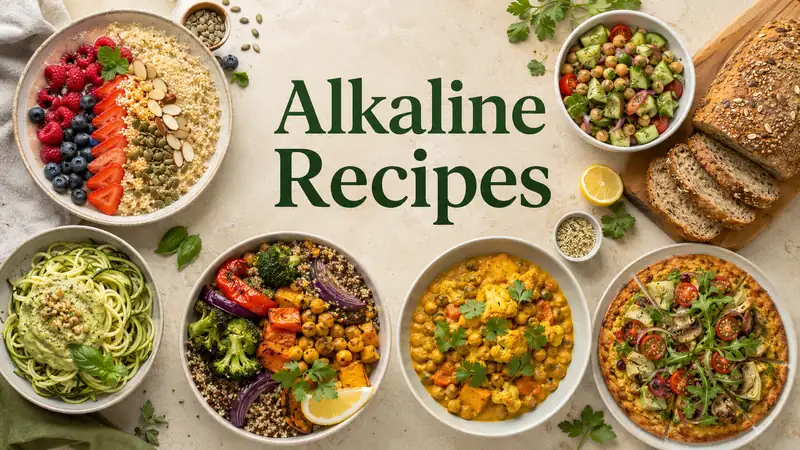
Alkaline recipes can be a simple way to add more plant foods to your day. These colorful dishes often use vegetables, fruits, beans, herbs, nuts, and seeds. They may also include grains and other whole foods, depending on the version of the alkaline diet you follow.
It is important to know that food does not meaningfully change the pH of your blood. Your lungs and kidneys carefully control that balance. In this guide, the word “alkaline” describes a popular plant-focused style of eating, not a medical treatment.
The recipes below include easy ideas for breakfast, lunch, and dinner. You will also find an alkaline-style bread, vegetable pizza, and fresh pasta alternative. Each recipe uses clear steps and familiar ingredients. If you are new to this way of eating, begin with our Alkaline Diet for Beginners guide, then choose one or two recipes that fit your taste and daily routine.
What Are Alkaline Recipes?
Alkaline recipes are meals made mainly with foods that alkaline diet plans call “alkaline-forming.” These often include vegetables, fruits, beans, herbs, nuts, and seeds. Many recipes also limit highly processed foods, added sugar, large amounts of meat, and refined grains.
However, there is no official list that defines every alkaline food. Different plans may group beans, grains, nuts, and seeds in different ways. A lemon tastes acidic, but many alkaline-diet lists call it alkaline-forming after the body processes it. This can make the idea confusing for beginners.
The word “alkaline” also does not mean that a meal will make your blood more alkaline. Your body keeps blood pH within a narrow range. Your lungs and kidneys manage this balance throughout the day. According to MD Anderson Cancer Center, eating certain foods cannot meaningfully change the pH of your blood.
Food may change the pH of your urine because your kidneys remove waste through urine. However, urine pH does not show that the pH of your blood or entire body has changed. MedlinePlus explains that the lungs and kidneys play key roles in controlling the body’s acid–base balance.
For this guide, alkaline recipes simply mean flexible, plant-focused dishes made with mostly whole or lightly processed ingredients. Their value comes from the foods they contain—not from changing body pH. For a more detailed breakdown of commonly included ingredients, see our Alkaline Foods List.
How to Build a Balanced Alkaline-Style Recipe
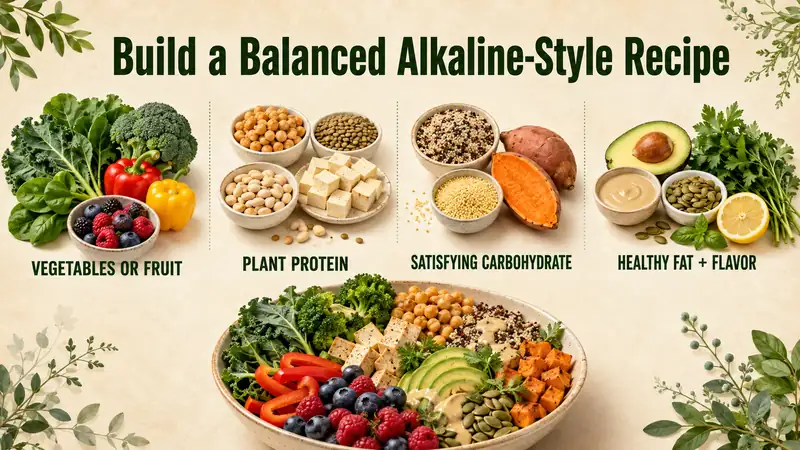
A plate of vegetables may look healthy, but vegetables alone may not keep you full. A balanced alkaline-style recipe should provide protein, carbohydrates, healthy fat, and a mix of plant foods. You can use the four simple steps below to build a more satisfying meal.
Start With Vegetables or Fruit
Make vegetables the main part of lunch and dinner. Try leafy greens, broccoli, cauliflower, cucumber, zucchini, bell peppers, mushrooms, or carrots. Use two or more colors when possible. Different colors often provide different nutrients and make the meal more appealing.
Fruit works well in breakfast recipes, salads, and simple sauces. Berries, apples, pears, melon, citrus fruits, and bananas are common choices. Fresh and frozen produce can both be useful.
Add a Source of Protein
Protein helps make a meal more filling. Plant-based choices include beans, lentils, chickpeas, tofu, nuts, and seeds. You could add chickpeas to a salad, blend white beans into soup, or sprinkle pumpkin seeds over a breakfast bowl.
The American Heart Association recommends choosing plant protein sources such as beans, peas, lentils, and nuts as part of a healthy eating pattern.
Add a Satisfying Carbohydrate
Carbohydrates give your body energy. Depending on the alkaline plan you follow, options may include sweet potato, quinoa, millet, buckwheat, whole grains, or legume-based pasta.
Alkaline food lists do not always agree about grains. You do not need to remove every grain to prepare a plant-focused meal. Choose an amount that fits your needs and helps the meal feel complete.
Finish With Healthy Fat and Flavor
Add a small amount of avocado, tahini, nuts, seeds, or olive oil. These ingredients add flavor and help make the meal more satisfying.
Fresh herbs, garlic, ginger, lemon, lime, and spices can add flavor without relying on much salt or sugar. The Harvard Healthy Eating Plate also supports meals built with vegetables, quality carbohydrates, healthy protein, and healthy oils.
Use this method as a flexible guide, not a strict rule. For more combinations, see our Easy Alkaline Meals and High-Protein Alkaline Foods guides.
11 Easy Alkaline Recipes for Beginners
The following easy alkaline diet recipes use plenty of vegetables, fruits, beans, herbs, nuts, seeds, and other whole foods. Because alkaline food lists do not always agree, some plans may classify ingredients such as grains, beans, or nuts differently.
Use these recipes as flexible, plant-focused ideas. You can adjust the ingredients to match your needs, budget, and preferred version of the alkaline diet.
1. Apple-Cinnamon Millet Breakfast Bowl
3. Cucumber and Chickpea Crunch Bowl
4. Creamy Broccoli and White Bean Soup
5. Quinoa, Herb and Roasted Vegetable Bowl
6. One-Pan Cauliflower and Chickpea Curry
7. Sweet Potato and Black Bean Skillet
8. Vegetable-Stuffed Bell Peppers
9. Buckwheat and Seed Alkaline-Style Bread
1. Apple-Cinnamon Millet Breakfast Bowl
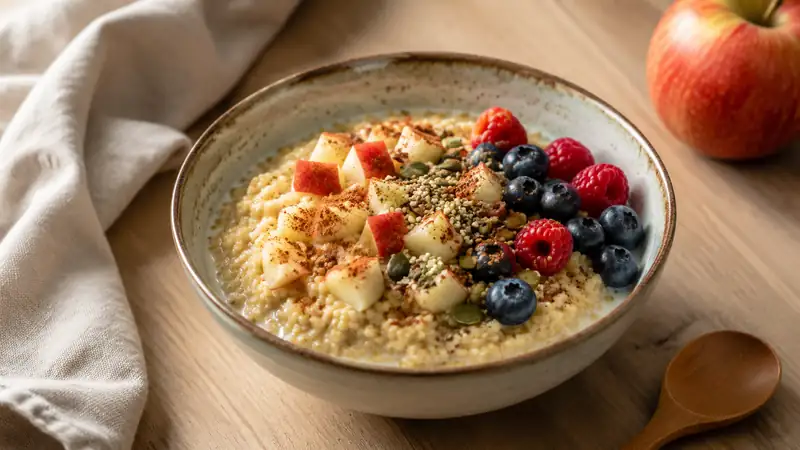
This warm breakfast has a soft texture and mild sweetness. Prepare it in advance for an easier morning.
Prep time: 5 minutes
Cook time: 25 minutes
Servings: 2
Ingredients
- ½ cup dry millet, rinsed
- 1½ cups water
- 1 apple, peeled if desired and chopped
- ½ teaspoon ground cinnamon
- ½ cup unsweetened plant milk
- 1 tablespoon ground flaxseed
- 2 tablespoons pumpkin or hemp seeds
- ½ cup fresh berries, optional
Directions
- Place the millet, water, apple, and cinnamon in a small saucepan.
- Bring the mixture to a boil. Reduce the heat, cover, and simmer for about 20 minutes.
- Stir in the plant milk and cook uncovered for 3 to 5 minutes. Add more milk if you prefer a thinner bowl.
- Divide between two bowls. Top with ground flaxseed, seeds, and berries.
Simple substitutions: Replace millet with cooked quinoa. Pear can be used instead of apple.
Storage: Refrigerate the cooked millet mixture in a covered container for up to three days. Add the seeds and berries after reheating.
Nutrition note: Millet provides carbohydrates for energy, while flaxseed and seeds add fat, fiber, and some protein.
For more morning options, see our Alkaline Breakfast Recipes guide.
2. Berry Chia Breakfast Cup
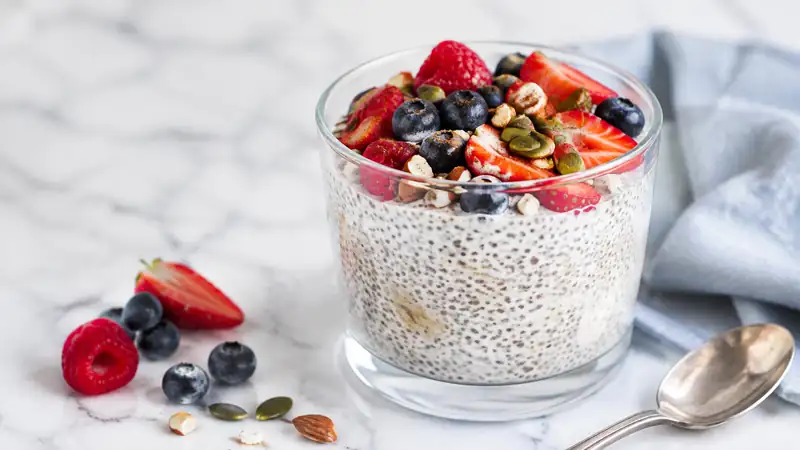
This no-cook breakfast can be prepared the night before. The chia seeds need time to absorb the liquid and soften.
Prep time: 10 minutes
Chilling time: At least 4 hours
Servings: 2
Ingredients
- ¼ cup chia seeds
- 1 cup unsweetened plant milk
- ½ ripe banana, mashed
- ¼ teaspoon cinnamon
- ½ teaspoon vanilla extract, optional
- ¾ cup berries
- 2 tablespoons chopped almonds or pumpkin seeds
Directions
- Add the chia seeds, plant milk, banana, cinnamon, and vanilla to a bowl or jar.
- Stir well. Wait 10 minutes, then stir again to break apart any clumps.
- Cover and refrigerate for at least four hours or overnight.
- Divide into two cups. Add berries and almonds or pumpkin seeds before serving.
Simple substitutions: Replace the banana with unsweetened applesauce. Use pumpkin seeds for a nut-free version.
Storage: Keep covered in the refrigerator for up to three days. Add fresh toppings just before eating.
Nutrition note: Chia seeds provide fiber and unsaturated fats. Fortified plant milk may also provide calcium and vitamin D, but amounts differ by brand.
3. Cucumber and Chickpea Crunch Bowl
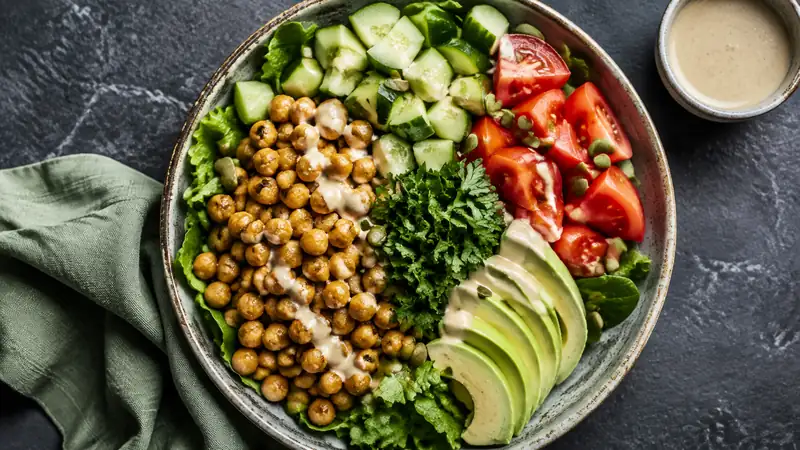
This fresh bowl combines crisp vegetables with chickpeas and a creamy lemon-tahini dressing.
Prep time: 15 minutes
Cook time: None
Servings: 2
Ingredients
For the bowl:
- 1½ cups cooked chickpeas, drained and rinsed
- 1 medium cucumber, chopped
- 1 medium tomato, chopped
- 2 cups leafy greens
- ½ avocado, sliced
- ¼ cup chopped parsley
- 2 tablespoons pumpkin seeds
For the dressing:
- 2 tablespoons tahini
- 1½ tablespoons lemon juice
- 1 small garlic clove, finely grated
- 2 to 3 tablespoons water
- Black pepper to taste
Directions
- Divide the leafy greens between two bowls.
- Add the chickpeas, cucumber, tomato, avocado, parsley, and pumpkin seeds.
- Whisk the tahini, lemon juice, garlic, and two tablespoons of water in a small bowl.
- Add more water, one teaspoon at a time, until the dressing is easy to pour.
- Spoon the dressing over the bowls and serve.
Simple substitutions: Use white beans instead of chickpeas. Replace tahini with unsweetened seed butter if needed.
Storage: Store the vegetables, chickpeas, and dressing separately for up to two days. Cut the avocado shortly before serving.
Nutrition note: Chickpeas add plant protein and fiber, while avocado, tahini, and pumpkin seeds provide unsaturated fats.
Find more salads and soups in our Alkaline Lunch Ideas guide.
4. Creamy Broccoli and White Bean Soup
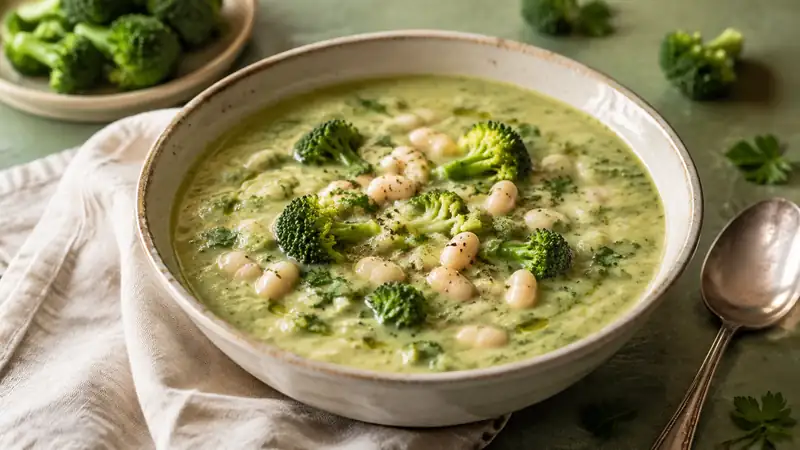
White beans help make this soup creamy without using heavy cream. Blending only part of the soup leaves some texture.
Prep time: 10 minutes
Cook time: 25 minutes
Servings: 4
Ingredients
- 1 tablespoon olive oil
- 1 small onion, chopped
- 2 celery stalks, chopped
- 2 garlic cloves, chopped
- 4 cups broccoli florets and peeled, chopped stems
- 1 can no-salt-added white beans, drained and rinsed
- 3 cups low-sodium vegetable broth
- ½ teaspoon dried thyme
- 1 tablespoon lemon juice
- Black pepper to taste
- Chopped parsley for serving
Directions
- Warm the olive oil in a large pot over medium heat.
- Add the onion and celery. Cook for about five minutes, stirring often.
- Add the garlic and cook for 30 seconds.
- Add the broccoli, beans, broth, and thyme. Bring to a gentle boil.
- Reduce the heat, cover, and simmer for 12 to 15 minutes, or until the broccoli is tender.
- Use an immersion blender to blend part of the soup. Leave some vegetables whole.
- Stir in the lemon juice and black pepper. Add parsley before serving.
If using a countertop blender, allow the soup to cool slightly and blend it in small batches. Vent the lid carefully so steam can escape.
For a more filling meal, serve the soup with a slice of buckwheat bread or add extra white beans.
Simple substitutions: Cauliflower can replace half the broccoli. Chickpeas can be used instead of white beans, but the soup may be less creamy.
Storage: Refrigerate in a covered container for three to four days. Reheat until hot throughout.
Nutrition note: White beans add protein and fiber. Broccoli provides vitamin C, vitamin K, folate, and other nutrients.
5. Quinoa, Herb and Roasted Vegetable Bowl
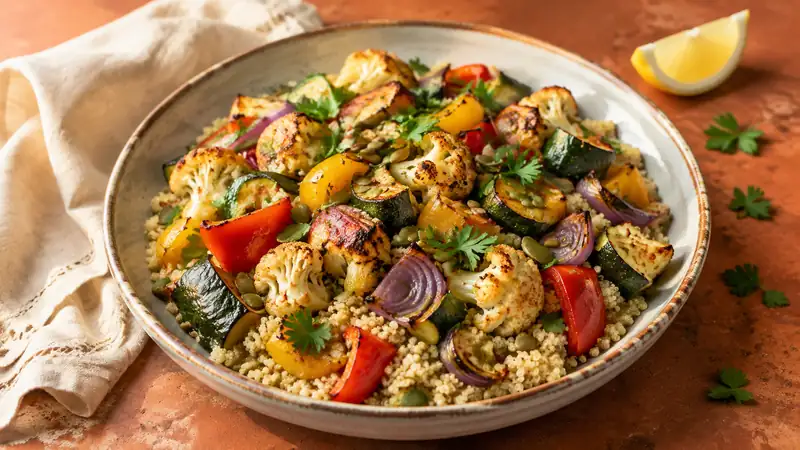
This colorful bowl works well for lunch or dinner. Use any mix of vegetables you already have.
Prep time: 15 minutes
Cook time: 30 minutes
Servings: 4
Ingredients
- 1 cup dry quinoa, rinsed
- 2 cups water
- 2 cups cauliflower florets
- 1 zucchini, chopped
- 1 bell pepper, chopped
- 1 small red onion, chopped
- 1½ tablespoons olive oil, divided
- ¼ teaspoon black pepper
- ½ cup chopped parsley
- ¼ cup pumpkin seeds
- 2 tablespoons lemon juice
- 1 small garlic clove, finely grated
Directions
- Heat the oven to 425°F or 220°C.
- Place the quinoa and water in a saucepan. Bring to a boil, cover, and reduce the heat.
- Simmer for about 15 minutes. Remove from the heat and let it stand, covered, for five minutes.
- Spread the cauliflower, zucchini, bell pepper, and onion on a baking sheet.
- Toss with one tablespoon of olive oil and the black pepper.
- Roast for 20 to 25 minutes, stirring once, until tender and lightly browned.
- Whisk the remaining olive oil with the lemon juice and garlic.
- Divide the quinoa and vegetables among four bowls. Add parsley, pumpkin seeds, and dressing.
Simple substitutions: Use millet or buckwheat instead of quinoa. Change the vegetables based on the season.
Storage: Refrigerate the quinoa and roasted vegetables for up to four days. Store the dressing separately.
Nutrition note: Quinoa and pumpkin seeds add protein, while the vegetables provide fiber and a range of vitamins.
For more simple combinations, visit our Easy Alkaline Meals guide.
6. One-Pan Cauliflower and Chickpea Curry
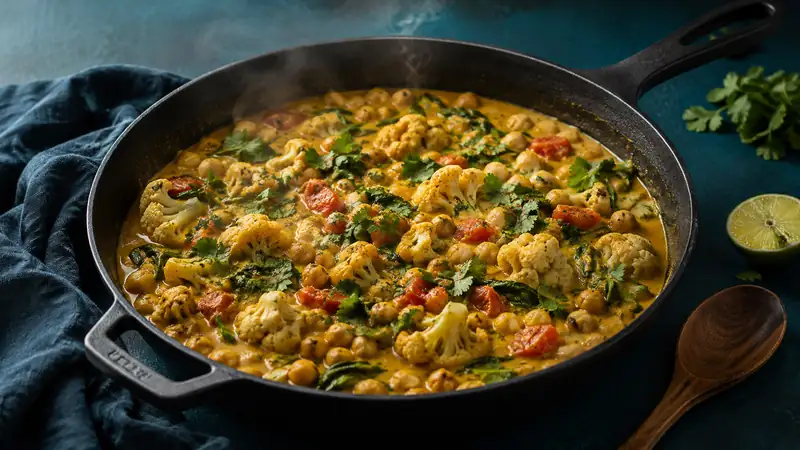
This mild curry uses common ingredients and can be made in one large pan.
Prep time: 10 minutes
Cook time: 25 minutes
Servings: 4
Ingredients
- 1 tablespoon olive oil
- 1 small onion, chopped
- 2 garlic cloves, minced
- 1 tablespoon grated fresh ginger
- 1 teaspoon ground cumin
- 1 teaspoon ground turmeric
- ½ teaspoon ground coriander
- 4 cups small cauliflower florets
- 1 can no-salt-added chickpeas, drained and rinsed
- 1 can no-salt-added diced tomatoes
- 1 cup unsweetened light coconut milk
- 2 cups baby spinach
- 1 tablespoon lime juice
- Chopped cilantro or parsley, optional
Directions
- Warm the oil in a deep skillet over medium heat.
- Add the onion and cook for about five minutes.
- Add the garlic, ginger, cumin, turmeric, and coriander. Stir for 30 seconds.
- Add the cauliflower, chickpeas, tomatoes, and coconut milk.
- Bring to a gentle simmer. Cover and cook for 15 to 18 minutes, stirring now and then, until the cauliflower is tender.
- Stir in the spinach and cook for two more minutes.
- Remove from the heat. Add the lime juice and fresh herbs.
Simple substitutions: Use broccoli or zucchini instead of part of the cauliflower. White beans can replace chickpeas.
Storage: Refrigerate for up to four days. Reheat until hot throughout. The curry can also be frozen for up to two months.
Nutrition note: Chickpeas add plant protein and fiber. Light coconut milk keeps the sauce creamy, but it still contains some saturated fat, so the recipe uses a moderate amount.
Find additional evening meals in our Alkaline Dinner Recipes guide.
7. Sweet Potato and Black Bean Skillet
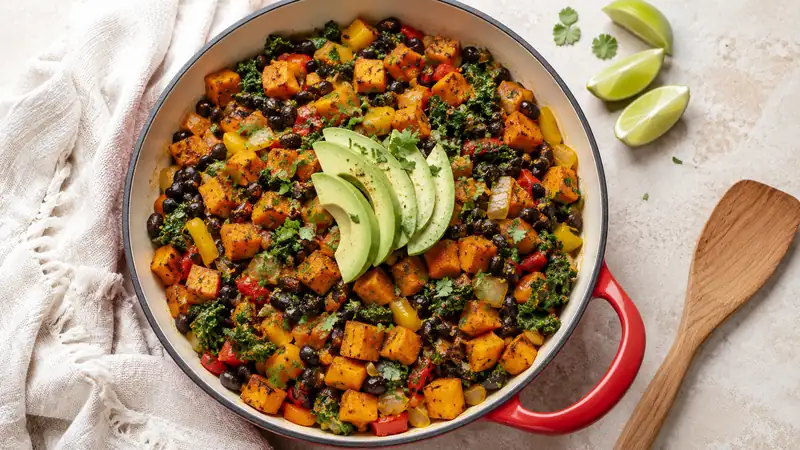
This filling skillet combines sweet potato, beans, greens, and mild spices.
Prep time: 10 minutes
Cook time: 25 minutes
Servings: 4
Ingredients
- 1 tablespoon olive oil
- 1 small onion, chopped
- 2 medium sweet potatoes, cut into ½-inch cubes
- 1 bell pepper, chopped
- 1 teaspoon ground cumin
- ½ teaspoon smoked paprika
- ½ cup water or low-sodium vegetable broth
- 2 cans no-salt-added black beans, drained and rinsed
- 2 cups chopped kale
- 1 tablespoon lime juice
- 1 avocado, sliced
- Chopped cilantro, optional
Directions
- Warm the olive oil in a large skillet over medium heat.
- Add the onion and cook for three minutes.
- Add the sweet potato, bell pepper, cumin, and smoked paprika. Stir well.
- Pour in the water or broth. Cover and cook for 12 to 15 minutes, stirring every few minutes.
- When the sweet potato is almost tender, add the black beans and kale.
- Cover and cook for another five minutes, or until the kale is soft and the sweet potato can be pierced with a fork.
- Add the lime juice. Top each serving with avocado and cilantro.
Simple substitutions: Use chickpeas instead of black beans. Spinach can replace kale and will need only one or two minutes to soften.
Storage: Store the skillet mixture without avocado in the refrigerator for up to four days. Add fresh avocado after reheating.
Nutrition note: Black beans provide plant protein and fiber. Sweet potato provides carbohydrates, beta-carotene, and potassium.
8. Vegetable-Stuffed Bell Peppers
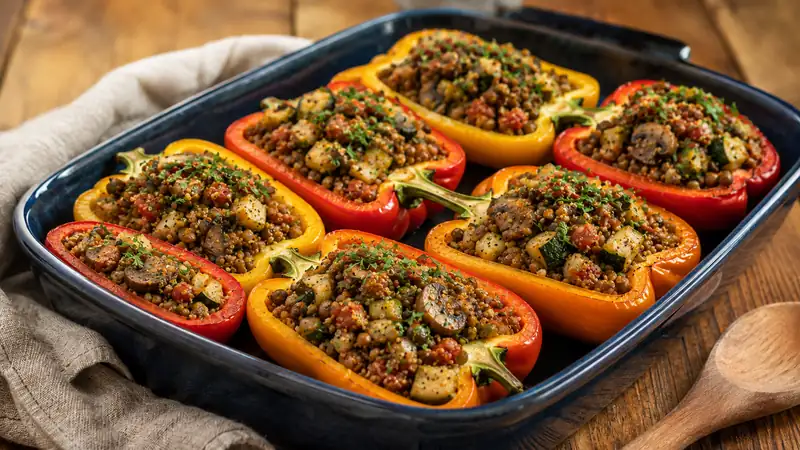
These stuffed peppers contain lentils, quinoa, mushrooms, and zucchini. One serving is two pepper halves.
Prep time: 20 minutes
Cook time: 40 minutes
Servings: 4
Ingredients
- 4 large bell peppers
- 1 tablespoon olive oil
- 1 small onion, chopped
- 1 cup chopped mushrooms
- 1 small zucchini, chopped
- 2 garlic cloves, minced
- 1 cup cooked lentils
- 1 cup cooked quinoa
- 1 cup no-salt-added diced tomatoes, drained
- 1 teaspoon dried oregano
- ¼ teaspoon black pepper
- 2 tablespoons chopped parsley
Directions
- Heat the oven to 375°F or 190°C.
- Cut each pepper in half from top to bottom. Remove the seeds and white parts.
- Arrange the pepper halves, cut side up, in a baking dish.
- Warm the olive oil in a skillet over medium heat.
- Add the onion and mushrooms. Cook for five minutes.
- Add the zucchini and garlic. Cook for another three minutes.
- Stir in the lentils, quinoa, tomatoes, oregano, and black pepper. Cook until warm.
- Spoon the filling into the pepper halves.
- Add ¼ cup of water to the bottom of the baking dish. Cover the dish with foil.
- Bake for 25 minutes. Remove the foil and bake for another 10 minutes, or until the peppers are tender.
- Sprinkle with parsley before serving.
Simple substitutions: Use only lentils or only quinoa if you do not have both. Chopped spinach can replace the mushrooms.
Storage: Refrigerate for up to four days. Reheat until the center is hot.
Nutrition note: Lentils and quinoa make the peppers more filling than a vegetable-only version. They also provide fiber and plant protein.
For a larger collection of fully plant-based meals, see our Alkaline Vegan Recipes guide.
9. Buckwheat and Seed Alkaline-Style Bread
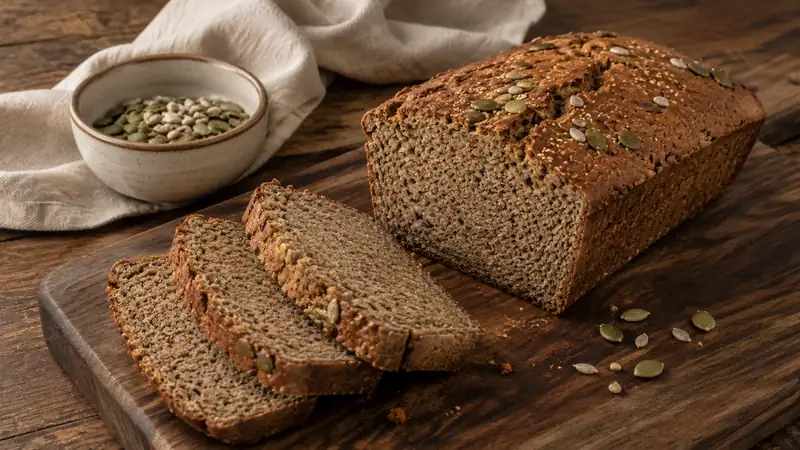
This is a dense quick bread rather than a soft yeast loaf. Alkaline plans differ on grains, so “alkaline-style” is a more accurate name.
Prep time: 15 minutes
Cook time: 45–55 minutes
Servings: About 10 slices
Ingredients
- 2 cups buckwheat flour
- ¼ cup ground flaxseed
- 2 teaspoons baking powder
- ½ teaspoon baking soda
- ¼ teaspoon salt, optional
- ¼ cup pumpkin or sunflower seeds
- 1¾ cups water
- 2 tablespoons olive oil
- 1 tablespoon apple cider vinegar
Directions
- Heat the oven to 375°F or 190°C.
- Line an 8-by-4-inch loaf pan with parchment paper.
- In a large bowl, mix the buckwheat flour, ground flaxseed, baking powder, baking soda, salt, and seeds.
- In a separate bowl, whisk the water, olive oil, and vinegar.
- Pour the wet mixture into the dry mixture. Stir just until no dry flour remains.
- Spoon the batter into the prepared pan and smooth the top.
- Bake for 45 to 55 minutes. The loaf should feel firm, and a toothpick placed in the center should come out without wet batter.
- Let the bread cool in the pan for 15 minutes. Transfer it to a rack and allow it to cool fully before slicing.
Do not taste the raw batter. Flour is a raw food and should be fully cooked.
Simple substitutions: Use sesame seeds in place of pumpkin seeds if suitable for you. If you need a gluten-free loaf, check that every packaged ingredient is certified gluten-free.
Storage: Keep covered for up to two days at room temperature or five days in the refrigerator. Freeze individual slices for up to two months.
Nutrition note: Buckwheat is naturally gluten-free and provides carbohydrates, fiber, and some protein. This bread is still a grain-based food, even though it uses whole-food ingredients.
10. Chickpea-Crust Vegetable Pizza
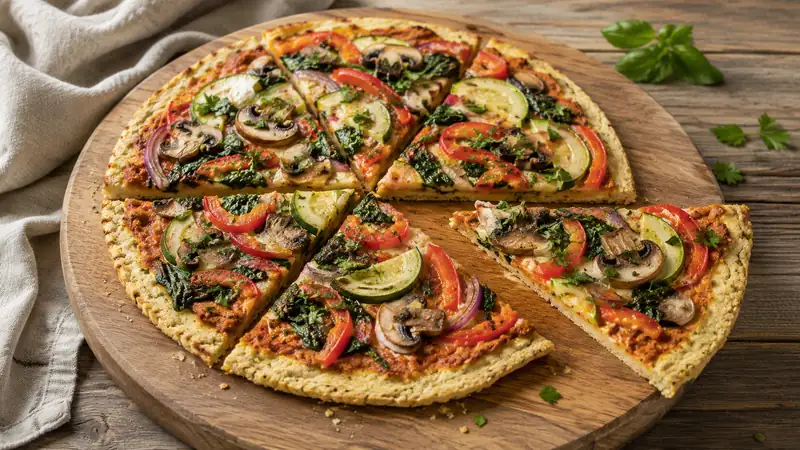
Chickpea flour creates a simple, firm crust without yeast. Cook the crust before adding the vegetables so the center does not stay wet.
Prep time: 15 minutes, plus 20 minutes resting
Cook time: 20–25 minutes
Servings: 2
Ingredients
For the crust:
- 1 cup chickpea flour
- 1 cup water
- 1 tablespoon olive oil
- ½ teaspoon dried oregano
- ¼ teaspoon garlic powder
- ⅛ teaspoon salt, optional
For the topping:
- ⅓ cup no-salt-added tomato sauce or thick herb sauce
- ½ cup thinly sliced mushrooms
- ½ bell pepper, thinly sliced
- ¼ small red onion, thinly sliced
- 1 cup baby spinach
- 2 tablespoons chopped fresh basil
Directions
- Whisk the chickpea flour, water, olive oil, oregano, garlic powder, and salt in a bowl.
- Let the batter rest for 20 minutes.
- Heat the oven to 425°F or 220°C. Place a 10-inch oven-safe skillet or pizza pan in the oven while it heats.
- Carefully remove the hot pan and lightly brush it with oil.
- Pour in the batter and spread it evenly.
- Bake for 12 to 15 minutes, or until the crust is firm and lightly browned at the edges.
- Remove the crust from the oven. Spread on the sauce and add the mushrooms, bell pepper, onion, and spinach.
- Return the pizza to the oven for 8 to 10 minutes, or until the vegetables are tender.
- Add fresh basil, slice, and serve.
Simple substitutions: Use zucchini, tomato, or cooked broccoli as toppings. A white bean and herb spread can replace tomato sauce.
Storage: Refrigerate leftovers for up to three days. Reheat in the oven or a covered skillet until hot.
Nutrition note: Chickpea flour provides more protein and fiber than many refined-flour crusts. It should still be eaten as part of a balanced meal.
11. Zucchini Noodles With Avocado-Herb Sauce
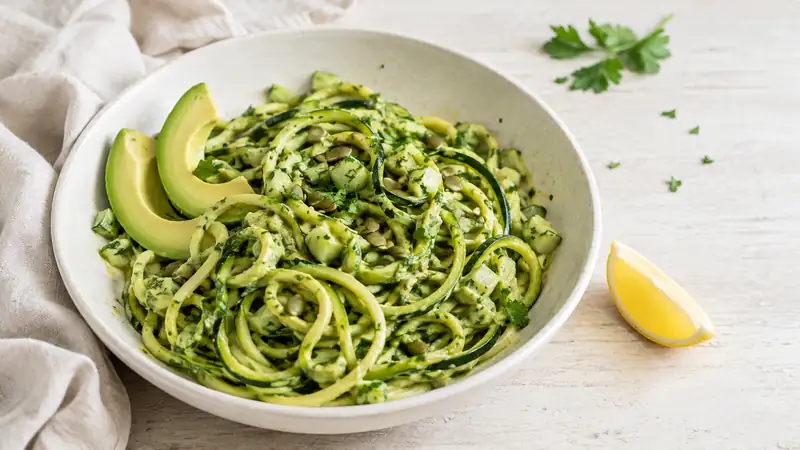
Zucchini noodles make a light base, while white beans help turn the dish into a more complete meal.
Prep time: 15 minutes
Cook time: 5 minutes
Servings: 2
Ingredients
- 3 medium zucchini, spiralized
- 1 ripe avocado
- ½ cup packed fresh basil or parsley
- 1 tablespoon lemon juice
- 1 small garlic clove
- 2 to 4 tablespoons water
- 1 cup cooked white beans, drained and rinsed
- 1 tablespoon pumpkin seeds
- Black pepper to taste
Directions
- Place the avocado, herbs, lemon juice, garlic, two tablespoons of water, and black pepper in a blender or food processor.
- Blend until smooth. Add more water, one tablespoon at a time, if the sauce is too thick.
- Warm a large skillet over medium heat. Add the zucchini noodles and cook for two to three minutes, stirring gently. Do not overcook them.
- Add the white beans and cook for one more minute.
- Remove the skillet from the heat. Add the avocado-herb sauce and toss gently.
- Divide between two plates and add pumpkin seeds.
Simple substitutions: Green peas or chickpeas can replace the white beans. If you want a more filling dish, combine the zucchini noodles with a small serving of cooked legume or whole-grain pasta.
Storage: This recipe is best eaten right away. The avocado sauce may darken during storage. Refrigerate leftovers in a covered container and use within one day.
Nutrition note: Zucchini noodles are lighter than grain pasta, but they contain little protein. Adding beans makes the meal more balanced and satisfying.
For more evening ideas, visit our Alkaline Dinner Recipes guide.
Easy Ways to Adjust These Recipes
These alkaline-style recipes are flexible. You can change them to fit your food needs, allergies, budget, or available ingredients. Keep the main parts of the meal balanced as you make substitutions.
For More Protein
Add beans, lentils, chickpeas, tofu, edamame, pumpkin seeds, or hemp seeds. A half cup of beans or lentils can make a vegetable bowl, soup, or skillet more filling. When choosing plant milk, check the label because some types contain much more protein than others.
For more options, see our High-Protein Alkaline Foods guide.
For a Nut-Free Meal
Replace almonds and other nuts with pumpkin, sunflower, hemp, or chia seeds. Seed butter may replace nut butter in sauces and dressings. Tahini is made from sesame seeds, so avoid it if you have a sesame allergy. Check package labels for possible contact with nuts during processing.
For a Gluten-Free Meal
Use naturally gluten-free foods such as quinoa, millet, buckwheat, chickpea flour, potatoes, beans, and lentils. Buckwheat does not contain wheat, despite its name. However, packaged ingredients may be processed near wheat. Choose products marked or certified gluten-free when avoiding gluten for medical reasons.
For a Lower-Sodium Meal
Choose no-salt-added beans, tomatoes, and vegetable broth. Drain and rinse canned beans before using them. Add flavor with garlic, ginger, lemon, lime, fresh herbs, pepper, cumin, or other spices instead of relying only on salt.
How to Store and Reheat Alkaline Recipes Safely
Good food safety matters even when a recipe contains only plant foods. Fresh produce, cooked grains, beans, soups, and sauces can carry or grow harmful germs if they are handled poorly.
Before cooking, wash your hands with soap and water. Clean knives, cutting boards, counters, and other tools. Rinse fruits and vegetables under running water. Do not wash produce with soap or household cleaners.
Place cooked leftovers in clean, shallow containers so they cool more quickly. Refrigerate them within two hours. If the food is outdoors in temperatures above 90°F or 32°C, refrigerate it within one hour. Keep the refrigerator at 40°F or 4°C or below.
Most cooked leftovers should be eaten or frozen within three to four days. Labeling each container with the date can help you remember when it was prepared. Sauces and fresh toppings can be stored separately to protect their texture.
When reheating, warm leftovers to an internal temperature of 165°F (74°C). Stir soups, curries, and grain bowls so the center heats evenly. When using a microwave, cover the food, stir it during heating, and check for cold spots.
Throw away food that has been left out too long. Reheating does not always make poorly stored food safe. These recommendations follow current CDC food-safety guidance and FoodSafety.gov leftover guidance.
Who Should Be Careful With a Restrictive Alkaline Diet?
Most people can enjoy these plant-focused recipes as part of a balanced diet. The concern is a strict alkaline plan that removes many food groups or does not provide enough energy and nutrients.
People with chronic kidney disease should speak with their doctor or renal dietitian before making a major change. Many foods commonly called alkaline, including bananas, avocados, tomatoes, potatoes, beans, nuts, and leafy greens, can be high in potassium. Some people with kidney disease may also need to manage phosphorus, sodium, protein, or fluid intake. The right limits depend on kidney function and lab results. The National Institute of Diabetes and Digestive and Kidney Diseases recommends an individual eating plan.
People with diabetes may need to watch portions of fruit, grains, beans, sweet potatoes, and other foods that contain carbohydrates. A doctor or dietitian can help match meals with medicines and blood sugar goals.
Pregnant people, children, older adults, and anyone recovering from illness also need enough calories, protein, and key nutrients. A very strict plan that removes meat, dairy, grains, and other major foods may make this harder. Plant-based diets can provide the nutrients your body needs when they are planned well, according to the Academy of Nutrition and Dietetics.
Do not use an alkaline diet in place of medical care or prescribed treatment. If you plan to remove several food groups, ask a registered dietitian for help. For a broader and more flexible approach, see our Alkaline Diet for Beginners guide.
Frequently Asked Questions
The Bottom Line
Alkaline recipes can offer a practical way to eat more vegetables, fruits, beans, herbs, nuts, seeds, and other plant foods. Their value comes from balanced ingredients and greater food variety—not from making your blood more alkaline.
You do not need to follow a strict list or prepare every recipe at once. Begin with one or two dishes that use foods you already enjoy. Include a protein source, a satisfying carbohydrate, and some healthy fat so the meal provides more than vegetables alone.
You can also adjust these recipes for allergies, gluten needs, sodium goals, or available ingredients. If you have kidney disease, diabetes, another medical condition, or highly restricted food needs, ask your doctor or a registered dietitian for personal guidance.
When you are ready to plan several days of food, continue with our Alkaline Meal Plan and Grocery List. For more quick combinations, explore our Easy Alkaline Meals guide.
4 Sources and References:
Noble Home Remedies relies on peer-reviewed studies, academic research institutions, and medical associations for accuracy and reliability while avoiding tertiary references. Our editorial policy explains how we ensure our content is accurate and up to date.
- The Alkaline Diet: What You Need to Know — MD Anderson Cancer Center
- Arterial Blood Gas Test — MedlinePlus
- Food Myths: Does an Alkaline Diet Prevent Cancer? — Cancer Research UK
- Systematic Review of Dietary Acid Load, Alkaline Water and Cancer — PubMed
- Dietary Guidelines for Americans, 2025–2030
- Healthy Eating Plate — Harvard T.H. Chan School of Public Health
- Diet and Lifestyle Recommendations — American Heart Association
- Vegetarian Dietary Patterns for Adults: A Position Paper of the Academy of Nutrition and Dietetics — PubMed
- Healthy Eating for Adults With Chronic Kidney Disease — NIDDK
- Preventing Food Poisoning — Centers for Disease Control and Prevention
- Leftovers: The Gift That Keeps on Giving — FoodSafety.gov
- People at Risk of Foodborne Illness — U.S. Food and Drug Administration
- USDA FoodData Central
Trust in your purchase:
Every product featured on our site has been carefully researched and selected based on quality, customer ratings, and positive reviews to ensure you receive excellent value for your money.
Thank you for your precious time spent with NobleHomeRemedies.
You may also like:

How to Make a Castor Oil Pack
How to Make a Castor Oil Pack: 7 Easy Topical Applications Castor oil packs have…

Epsom Salt Health Benefits
12 Epsom Salt Health Benefits: Boost Your Body and Mind Epsom salt has been used…

COVID-19 CoronaVirus Symptoms: Prevention, and Awareness
Discvoer: COVID-19 CoronaVirus Symptoms: Prevention, and Awareness The outbreak of the COVID-19 Coronavirus is a…

Does Schizophrenia Get Worse As You Age
Does Schizophrenia Get Worse As You Age – Check Symptoms Schizophrenia is a complex psychological…

Castor Oil Pack Benefits and Uses
5 Castor Oil Pack Benefits and Uses: You Never Want to Miss Have you ever…
dr sebi recipes alkaline diet
Dr. Sebi Recipes for an Alkaline Diet: Food List & Meals Dr Sebi recipes alkaline…