
This article explores traditional home remedies for informational purposes only and is not a substitute for professional medical advice. Please note that some links below are affiliate links; we may earn a small commission if you purchase them, at no extra cost to you. Read our full Medical Disclaimer and Affiliate Disclosure here.
Alkaline Protein: High-Protein Foods & Recipe Ideas
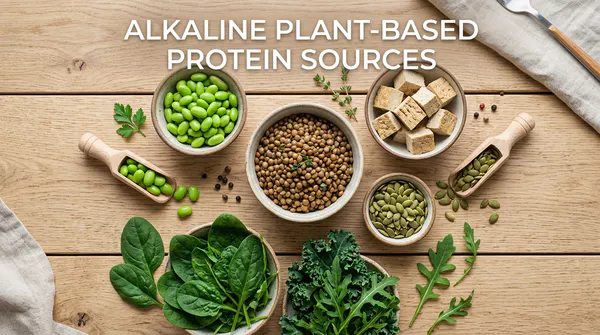
Many people think eating an alkaline, plant-focused diet makes it hard to get enough protein. Protein is a key nutrient your body needs to build muscle, repair cells, and stay full. When you cut back on meat or dairy, you might wonder how to keep your meals satisfying.
The good news is that you do not need meat to get high-quality protein. Plant foods like tofu, soybeans, pumpkin seeds, and lentils can easily meet your protein needs. These foods also supply fiber, vitamins, and minerals that support overall health.
This guide explains what “alkaline protein” really means, lists the top plant sources, and shares simple high-protein meal ideas.
What Is Alkaline Protein? (Separating Fact from Fiction)
Before picking foods, it helps to understand how diet and body chemistry work together.
How Your Body Controls pH
The pH scale measures how acidic or basic (alkaline) something is, from 0 to 14. A pH of 7 is neutral. Below 7 is acidic, and above 7 is alkaline.
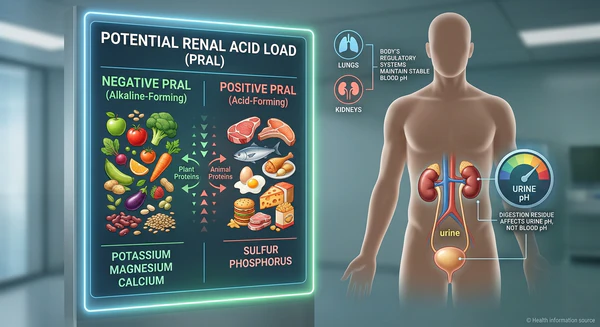
Some claims suggest that eating alkaline foods can raise your blood pH and make your whole body less acidic. Medical science shows this is not true. Your blood pH stays tightly balanced between 7.35 and 7.45. Your lungs and kidneys work every minute to keep your blood in this safe zone. Food does not change your blood pH.
Food can change the pH of your urine. After your body digests food, your kidneys flush out extra minerals through urine. A change in urine pH simply shows that your kidneys are working normally.
What Is PRAL?
Scientists measure how food affects urine acid levels using a system called Potential Renal Acid Load (PRAL) :
- Negative PRAL (Alkaline-Forming): Foods that leave behind minerals like potassium, magnesium, and calcium. Most fruits, vegetables, beans, and seeds have a negative PRAL.
- Positive PRAL (Acid-Forming): Foods that leave behind compounds like sulfur and phosphorus. Meat, fish, eggs, and processed foods have a positive PRAL.
Why Choose Plant Proteins?
Animal proteins tend to be acid-forming. Plant proteins—like tofu, tempeh, soybeans, and pumpkin seeds—provide protein with a low or negative acid load. Adding these plant proteins to your meals helps you stay full while giving your body more fiber and antioxidants.
Top High-Protein Alkaline Foods
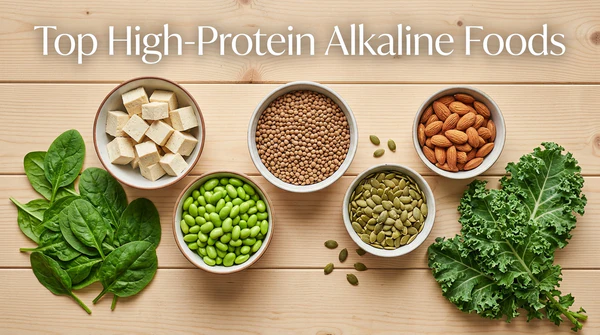
When building meals around plant foods, it helps to know which options offer the highest protein along with alkalizing minerals like potassium, magnesium, and calcium.
Below are the best high-protein plant foods to include in an alkaline-style diet.
1. Soybeans, Tofu & Tempeh
Soy products are among the most versatile plant proteins because they contain all nine essential amino acids your body needs.
- Tofu (PRAL: -0.3): Made from soybean curds, a half-cup serving of firm tofu provides 21.8 grams of complete protein. It also delivers calcium and iron without adding extra dietary aci.
- Soybeans / Edamame (PRAL: -4.7): A half-cup of cooked soybeans provides 15.5 grams of protein and 5 grams of dietary fiber.
- Tempeh: Made from fermented soybeans, tempeh provides about 19.9 grams of protein per 100-gram serving. Because it is fermented, tempeh is easy on digestion and fits well into plant-based meal plans.
2. Nutrient-Dense Seeds
Seeds are tiny powerhouses packed with protein, healthy fats, and essential minerals.
- Pumpkin Seeds: A single ounce of pumpkin seeds provides 8.5 grams of complete protein. They are naturally alkaline-forming and rich in magnesium, zinc, and healthy fats.
- Hemp Seeds: Three tablespoons of shelled hemp seeds offer 9.5 grams of protein. They contain healthy fatty acids that help lower inflammation.
- Chia & Sesame Seeds: Chia seeds provide plant-based omega-3s and fiber, while sesame seeds offer calcium and a mild alkalizing effect.
3. Legumes & Lentils
Beans and lentils are high-fiber, mineral-dense substitutes for acid-forming animal proteins.
- White Beans (PRAL: -23.2): Navy and cannellini beans have one of the lowest acid loads of any plant food. They are rich in calcium, magnesium, and potassium.
- Kidney Beans (PRAL: -8.4): Kidney beans provide a hearty texture for soups and chilis while supplying key minerals.
- Lentils: One cup of cooked lentils delivers 17.9 grams of protein along with fiber, iron, and potassium.
- Chickpeas: Providing 14.5 grams of protein per cup, chickpeas are rich in fiber, iron, and zinc. They make a great base for dips like hummus.
4. Alkaline-Friendly Pseudograins & Nuts
While most true grains leave an acid residue, pseudograins (seeds used like grains) and select nuts offer alkaline-forming alternatives.
- Almonds: Unlike most other nuts, which are acid-forming, almonds are alkaline-forming. They offer healthy monounsaturated fats, protein, calcium, and iron.
- Quinoa & Amaranth: Quinoa offers 8.1 grams of protein per cooked cup, while amaranth provides 9.4 grams. Both are naturally gluten-free pseudograins that digest easily and provide a complete amino acid profile.
Protein & PRAL Quick Summary Table
| Food Item | Protein Content | PRAL Value (Dietary Acid Load) | Key Minerals Offered |
|---|---|---|---|
| White Beans (1/2 cup cooked) | ~9.5 g | -23.2 (Highly Alkaline) | Magnesium, Calcium, Potassium |
| Kidney Beans (1/2 cup cooked) | ~7.7g | -8.4 (Alkaline) | Potassium, Magnesium |
| Soybeans / Edamame (1/2 cup cooked) | ~15.5g | -4.7 (Alkaline) | Fiber, Iron, Potassium |
| Firm Tofu (1/2 cup) | ~21.8g | -0.3 (Mildly Alkaline) | Calcium, Iron, Antioxidants |
| Pumpkin Seeds (1 oz / 28g) | ~8.5g | Negative (Alkaline) | Zinc, Magnesium, Lysine |
| Quinoa (1 cup cooked) | ~8.1g | Negative (Alkaline) | Complete Amino Acids, Fiber |
Simple High-Protein Alkaline Meal & Recipe Ideas
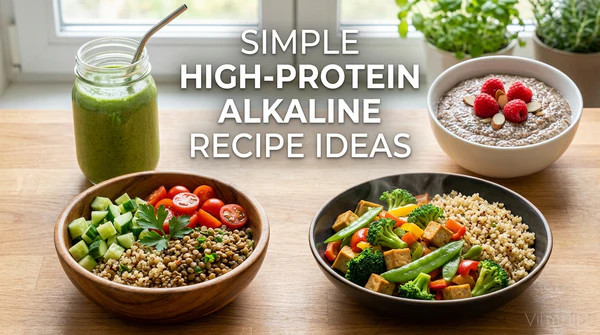
Combining plant-based proteins with alkalizing vegetables, fruits, and seeds makes it easy to build balanced, satisfying meals. Here are simple high-protein meal and recipe ideas for breakfast, lunch, and dinner.
High-Protein Alkaline Breakfast Ideas
Starting your morning with plant protein keeps your energy steady and prevents early hunger spikes.
- Hemp & Green Protein Smoothie: Blend 1 cup of unsweetened almond milk, 1 cup of fresh spinach, half a frozen banana, and 3 tablespoons of shelled hemp seeds. This simple smoothie provides over 10 grams of protein along with magnesium and potassium.
- Chia & Almond Butter Pudding: Mix 3 tablespoons of chia seeds with 1 cup of unsweetened almond milk and 1 tablespoon of almond butter. Let it sit in the fridge overnight. Top with fresh berries before eating. This delivers fiber, healthy fats, and roughly 8 grams of protein.
- High-Protein Berry Oatmeal: Cook half a cup of rolled oats in unsweetened almond milk. Stir in 1 tablespoon of pumpkin seeds and 1 tablespoon of ground flaxseeds after cooking. Oats and seeds together create a warm, comforting breakfast with 9 to 10 grams of protein.
Satisfying Lunch & Dinner Ideas
For mid-day and evening meals, focus on pairing pseudograins like quinoa with legumes, tofu, or nutrient-rich vegetables.
- Quinoa & Lentil Power Bowl: Combine 1 cup of cooked quinoa with half a cup of cooked brown or green lentils. Toss with diced cucumbers, cherry tomatoes, fresh parsley, and a drizzle of extra virgin olive oil and lemon juice. This clean, filling salad offers about 16 grams of plant protein.
- Tofu & Vegetable Stir-Fry: Saute 1 cup of cubed firm tofu in a skillet with sesame oil, broccoli florets, snap peas, and bell peppers. Serve over cooked quinoa or amaranth instead of white rice. This meal delivers over 20 grams of protein along with calcium and iron.
- Mediterranean Chickpea & Spinach Salad: Mix 1 cup of rinsed chickpeas with 2 cups of fresh baby spinach, sliced kalamata olives, and toasted pumpkin seeds. Dress lightly with lemon juice and olive oil. This fresh bowl supplies 18 grams of protein and a strong dose of alkalizing minerals.
Easy Tips to Boost Protein in Any Alkaline Meal
- Sprinkle Seeds Everywhere: Add a tablespoon of pumpkin, hemp, or chia seeds over salads, soups, or roasted vegetables.
- Swap Grains for Pseudograins: Replace white rice or pasta with quinoa, amaranth, or wild rice.
- Use Tofu as a Base: Blend silken tofu into vegetable soups or sauces to make them creamy while adding protein.
Side Effects & Precautions (Who Should Avoid or Modify This Diet)
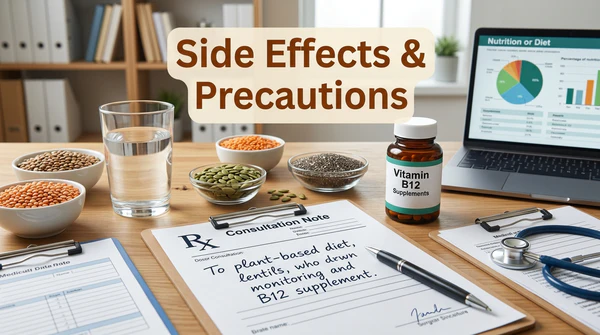
While adding more plant-based protein to your diet offers many benefits, it is important to make changes safely. Some people should be extra careful when shifting toward an alkaline, plant-heavy eating plan.
1. Who Should Be Cautious or Consult a Doctor
- People with Kidney Disease: Individuals with chronic kidney disease (CKD) or impaired kidney function need to manage their intake of protein, potassium, and phosphorus carefully. Many alkaline protein foods—such as beans, lentils, pumpkin seeds, and nuts—are naturally high in potassium and phosphorus. If your kidneys cannot remove extra minerals, dangerous levels can build up in your blood. Always consult a nephrologist or registered dietitian before changing your diet.
- People Taking Certain Medications: High-potassium foods can interact with blood pressure medications like ACE inhibitors or potassium-sparing diuretics. Talk to your doctor or pharmacist about safe potassium levels for your medication routine.
2. Potential Nutritional Gaps to Watch
When reducing or eliminating animal products, you must ensure you are still getting all essential vitamins and minerals:
- Vitamin B12: Plant foods do not naturally contain Vitamin B12. If you eat few or no animal foods, you may need a B12 supplement or fortified foods.
- Iron & Zinc: Plant iron (non-heme iron) is not absorbed as easily as animal iron. Pairing iron-rich foods like lentils or tofu with Vitamin C (like lemon juice or bell peppers) helps your body absorb iron better.
- Calcium: Ensure you choose calcium-set tofu or fortified plant milks to support strong bones.
3. Digestive Adjustment
Plant proteins are packed with dietary fiber. If your body is not used to high amounts of fiber, sudden increases can cause temporary bloating, gas, or stomach cramps.
- Go Slowly: Increase your intake of beans, seeds, and lentils over several weeks.
- Drink Water: Drink plenty of water throughout the day to help your digestive system process fiber smoothly.
Section 5: Frequently Asked Questions & Summary
Frequently Asked Questions
Q1: Can you get enough protein on an alkaline diet without eating meat?
Yes. By eating a variety of plant protein sources like tofu, edamame, pumpkin seeds, lentils, and quinoa, you can easily meet your daily protein needs.
Q2: Is soy considered alkaline?
Whole soybeans and edamame are alkaline-forming with a negative PRAL value (-4.7). Firm tofu is very close to neutral with a slightly negative PRAL (-0.3). Both are excellent, protein-dense options for plant-based eating.
Q3: Do high-protein plant foods change my blood pH?
No. Food does not change your blood pH. Your body keeps blood pH strictly regulated between 7.35 and 7.45. Plant-based proteins simply leave behind fewer acid by-products in your urine while delivering valuable vitamins, minerals, and fiber.
Article Summary
- Protein Needs: You do not have to sacrifice protein to enjoy a plant-focused, alkaline style of eating.
- Best Choices: Tofu, soybeans, pumpkin seeds, hemp seeds, lentils, and white beans offer high-quality protein without a heavy acid load.
- Safety First: If you have kidney disease or take blood pressure medication, speak with a healthcare provider before making major changes to your mineral or protein intake.
Related Resources
- Read our full Alkaline Diet for Beginners Guide to learn the basics of plant-focused eating.
- Explore our Alkaline Foods List and Alkaline Recipes Hub for more daily meal inspiration.
4 Sources:
Noble Home Remedies relies on peer-reviewed studies, academic research institutions, and medical associations for accuracy and reliability while avoiding tertiary references. Our editorial policy provides more information about how we ensure our content is accurate and up-to-date.
- Alkaline Protein Foods So That You Stay Satisfied | Food For Net – https://foodfornet.com/alkaline-protein-foods/
- Best Plant-Based Protein Foods and How to Get Them in Your Diet – https://draxe.com/nutrition/plant-based-protein-foods/
- Debunking Alkaline Diet Myths – https://www.ift.org/food-technology-magazine/diet-and-nutrition-research-alkaline-diet
- What Is the Alkaline Diet, and Is It Safe? – https://health.clevelandclinic.org/alkaline-diet
Trust in your purchase:
Every product featured on our site has been carefully researched and selected based on quality, customer ratings, and positive reviews to ensure you receive excellent value for your money.
Thank you for your precious time spent with NobleHomeRemedies.
You may also like:
High-Protein Crockpot Meals Dinners
15 High-Protein Crockpot Meals for Easy Low-Calorie Dinners Tired of bland dinners that leave you…
High-Protein Meal Prep for GLP-1
5-Day High-Protein Meal Prep for GLP-1 and Fitness Support The High-Protein Revolution In the world…

Benefits of Exercising
Incredible Benefits of Exercising: Supercharge Your Life Life can get pretty busy, can’t it? Between…

Can Coffee After Drinking Alcohol Sober You?
Drinking Coffee After Drinking Alcohol: Can It Sober You Up? When people drink alcohol, they…
Beetroot Powder vs Fresh Beets
Beetroot Powder vs. Fresh Beets: Better for Managing Inflammation? Swollen joints, aches, or low energy…
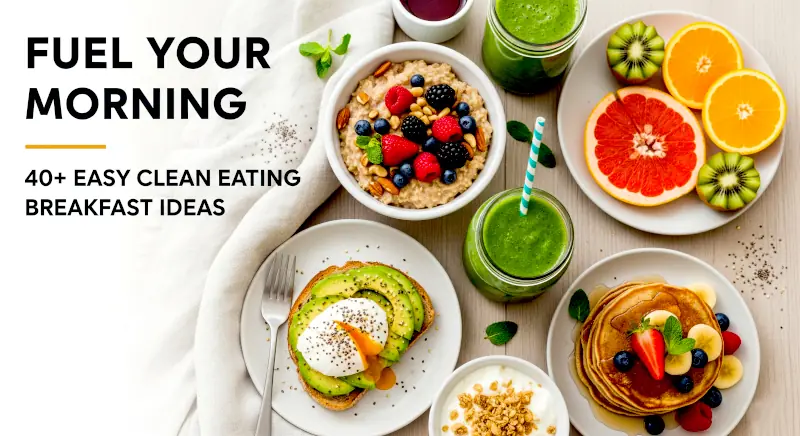
Easy Clean Eating Breakfast Ideas
Fuel Your Morning: 40+ Easy Clean Eating Breakfast Ideas Start Your Day Right: Mastering the…