
Alkaline Vegan Recipes: Easy Meals for Beginners
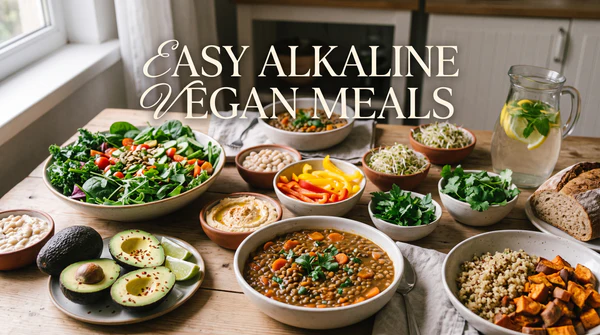
Switching to an alkaline vegan diet is a simple way to add more fresh plant foods to your daily routine. It combines two popular eating styles: plant-based vegan eating and choosing whole foods that leave an alkaline residue after digestion.
If you are new to this concept, do not worry. You do not need to learn complex science or follow rigid rules to make delicious, nourishing meals.
The Core Idea Behind Plant-Focused Eating
At its heart, an alkaline vegan diet focuses on eating unprocessed plant foods. This includes fresh vegetables, fruits, beans, lentils, nuts, seeds, and whole grains.
Standard vegan diets remove all animal products like meat, fish, dairy, and eggs. An alkaline vegan approach goes one step further by encouraging whole plant foods over heavily processed vegan snacks, refined sugars, and white flour.
By choosing nutrient-rich plant foods, you naturally supply your body with valuable dietary fiber, vitamins, minerals, and antioxidants.
What Science Says About Body pH
A common myth about the alkaline diet is that eating certain foods can change the pH level of your blood. Science shows that this claim is not true.
- How your body controls pH: Your blood pH stays in a very tight, slightly alkaline range between 7.35 and 7.45.
- The role of your organs: Your lungs and kidneys work constantly to remove extra acids and keep your blood pH perfectly balanced.
- Urine vs. Blood pH: Eating more fruits and vegetables can change the pH of your urine, but it does not change your blood chemistry.
You do not need to “alkalize your blood” to enjoy the benefits of plant-based eating. The true health value comes from eating more nutrient-dense whole foods and reducing heavily processed items.
(To learn more about general pH science and dietary acid load, check out our core guide on Alkaline Diet for Beginners).
Essential Ingredients for an Alkaline Vegan Kitchen
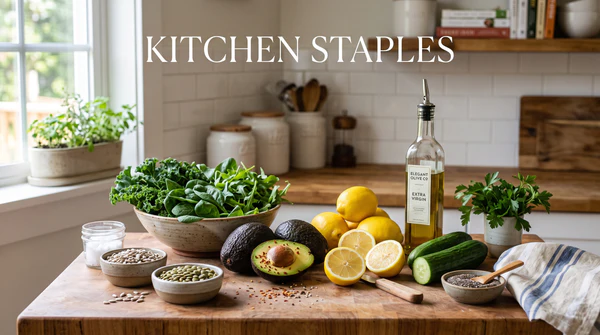
Setting up an alkaline vegan kitchen is easy. You do not need expensive ingredients or hard-to-find supplements. The goal is simple: stock your kitchen with fresh, whole plant foods that nourish your body.
Top Alkaline-Forming Plant Foods to Stock Up On
When you go grocery shopping, focus most of your time in the fresh produce section. Here are some of the best staples to keep in your kitchen:
- Leafy Greens: Spinach, kale, arugula, romaine lettuce, and Swiss chard. These greens are packed with vitamins, minerals, and dietary fiber.
- Hydrating Vegetables: Cucumbers, zucchini, celery, radishes, and bell peppers. They have a high water content and add great crunch to meals.
- Fresh Fruits: Avocados, lemons, limes, berries (strawberries, blueberries, raspberries), and green apples. While lemons and limes taste acidic, they are considered alkaline-forming after digestion.
- Seeds and Healthy Plant Fats: Hemp seeds, chia seeds, flaxseeds, pumpkin seeds, and cold-pressed extra virgin olive oil or avocado oil. These provide essential fatty acids and keep you feeling full.
- Herbs and Spices: Fresh parsley, cilantro, basil, ginger, and turmeric. They add rich flavor without adding sodium or artificial preservatives.
Simple Kitchen Swaps for Beginners
You do not have to change how you eat overnight. Making small, gradual swaps is the easiest way to build lasting habits.
| Instead of This… | Try This Alkaline Swap… | Why It Helps |
|---|---|---|
| Sugary Sodas or Packaged Juices | Water infused with fresh lemon, lime, or cucumber slices | Reduces added sugar while adding natural hydration. |
| Heavily Processed Snacks (Chips/Crackers) | Raw pumpkin seeds, sliced cucumber with guacamole, or fresh berries | Replaces refined flour and excess salt with fiber and healthy fats. |
| Refined White Sugar | Small amounts of date paste or fresh whole fruits | Keeps sweet treats tied to natural plant fiber. |
| Heavy Cream Sauces | Blended avocado, tahini, or soaked seed dressings | Provides creamy texture using wholesome, plant-based fats. |
Easy Alkaline Vegan Recipe Ideas for Beginners
You do not need to be an expert cook to make delicious alkaline vegan meals. These simple recipes use easy-to-find plant ingredients and take very little time to prepare.
Simple Alkaline Vegan Breakfast Ideas
Starting your day with a hydrating, nutrient-rich breakfast sets a positive tone for the morning.
Option 1: Green Pea & Avocado Spread on Seeded Flatbread
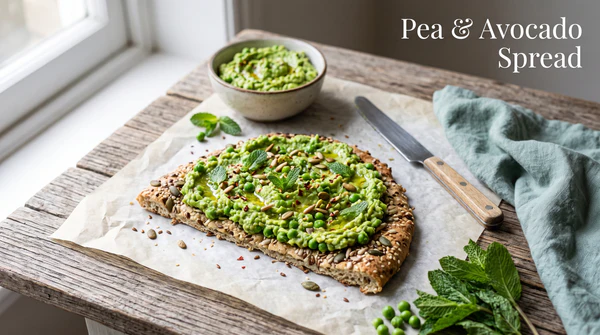
This creamy spread is rich in fiber, healthy fats, and plant-based protein.
- Ingredients:
- 1 cup cooked green peas (fresh or thawed from frozen)
- 1/2 ripe avocado
- 1 tablespoon fresh lemon juice
- 1 tablespoon chopped fresh parsley
- A pinch of sea salt and black pepper
- 1 slice of gluten-free seeded flatbread or sprouted seed bread
- How to Make It:
- Add the green peas, avocado, lemon juice, and parsley to a bowl.
- Mash everything together with a fork until smooth and creamy.
- Season with a light pinch of sea salt and pepper.
- Spread generously over warm seeded flatbread and serve immediately.
Option 2: Alkaline Morning Smoothie Bowl
A cool, refreshing breakfast packed with greens and hydrating fruits.
- Ingredients:
- 1 cup fresh spinach leaves
- 1/2 small cucumber, chopped
- 1/2 frozen green apple or 1/2 cup frozen berries
- 1 cup unsweetened coconut water or spring water
- 1 tablespoon hemp seeds (for topping)
- How to Make It:
- Place the spinach, cucumber, green apple, and liquid into a blender.
- Blend on high until completely smooth.
- Pour into a bowl and top with hemp seeds for extra crunch.
Quick Alkaline Vegan Lunch Ideas
These quick lunches are perfect for busy weekdays and help keep your energy steady throughout the afternoon.
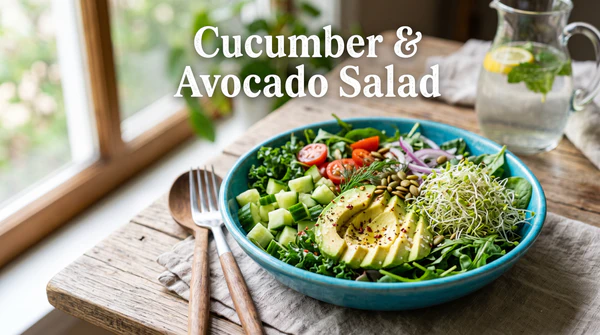
Option 1: Refreshing Cucumber, Avocado & Alfalfa Salad
A light, crisp salad that takes less than 5 minutes to assemble.
- Ingredients:
- 2 cups mixed baby greens (kale, spinach, or arugula)
- 1 cucumber, diced
- 1/2 avocado, sliced
- 1/2 cup fresh alfalfa sprouts
- Dressing: 1 tablespoon extra virgin olive oil + 1 teaspoon fresh lime juice + a pinch of sea salt
- How to Make It:
- Toss the mixed greens, cucumber, and alfalfa sprouts in a large bowl.
- Whisk the olive oil, lime juice, and sea salt in a small cup.
- Drizzle the dressing over the salad and top with fresh avocado slices.
Option 2: Whole Food Plant Buddha Bowl
A satisfying, colorful bowl combining raw greens and warm plant ingredients.
- Ingredients:
- 1 cup steamed broccoli florets
- 1/2 cup cooked quinoa or chickpeas
- 1/2 cup shredded carrots
- 1/2 cup sliced bell peppers
- 2 tablespoons tahini (sesame paste) mixed with 1 tablespoon warm water and lemon juice
- How to Make It:
- Arrange the broccoli, quinoa or chickpeas, carrots, and bell peppers side-by-side in a serving bowl.
- Drizzle the creamy tahini-lemon dressing over the top before eating.
Nourishing Alkaline Vegan Dinner Recipes
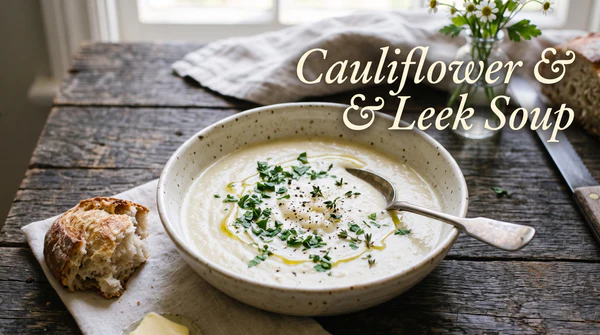
Warm, comforting dinners help you end the day with wholesome plant nutrition.
Option 1: Creamy Cauliflower & Leek Soup
A silky, comforting soup made entirely without dairy or cream.
- Ingredients:
- 1 head cauliflower, chopped into florets
- 1 large leek, washed and sliced
- 2 cloves garlic, minced
- 4 cups low-sodium vegetable broth or spring water
- 1 tablespoon extra virgin olive oil
- Fresh herbs (thyme or parsley) to taste
- How to Make It:
- Heat olive oil in a pot over medium heat. Add the leek and garlic, cooking for 3 minutes until soft.
- Add the cauliflower florets and broth. Bring to a gentle boil, then turn down the heat and simmer for 15 minutes until tender.
- Carefully blend the soup using an immersion blender until smooth and creamy.
- Garnish with fresh herbs before serving.
Option 2: Stuffed Bell Peppers with Quinoa & Herbs
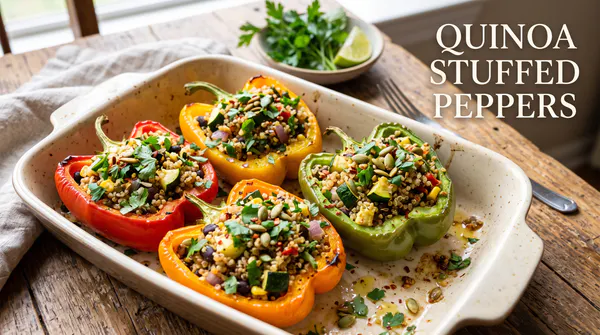
A hearty, oven-baked meal packed with color and fiber.
- Ingredients:
- 2 large bell peppers (red, yellow, or orange), cut in half with seeds removed
- 1 cup cooked quinoa
- 1/2 cup diced zucchini
- 1/4 cup chopped fresh cilantro and parsley
- 1 tablespoon olive oil
- How to Make It:
- Preheat your oven to 375°F (190°C).
- In a bowl, mix the cooked quinoa, zucchini, fresh herbs, and olive oil.
- Stuff each bell pepper half tightly with the quinoa mixture.
- Place in a baking dish, cover with foil, and bake for 25 to 30 minutes until the peppers are tender.
Easy Raw Vegan Options
Raw vegan meals use uncooked, unprocessed ingredients to preserve natural fresh flavors and enzymes.
Raw Zucchini Noodles with Basil-Avocado Pesto
A fresh, light alternative to traditional heavy pasta dishes.
- Ingredients:
- 2 medium zucchini, spiralized into noodles (zoodles)
- 1 ripe avocado
- 1 cup fresh basil leaves
- 1 tablespoon fresh lemon juice
- 2 tablespoons raw pine nuts or pumpkin seeds
- 2 tablespoons water (to thin the dressing)
- How to Make It:
- Place the avocado, basil, lemon juice, pine nuts, and water in a food processor or blender.
- Blend until a smooth green pesto sauce forms.
- Toss the raw zucchini noodles with the pesto sauce in a large bowl and serve immediately.
Nutritional Balance & Essential Considerations
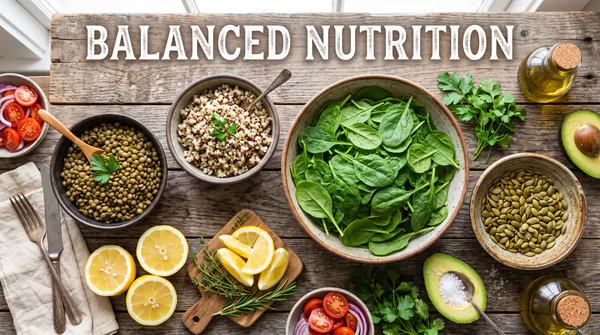
Following an alkaline vegan eating plan offers plenty of fresh produce, but staying healthy requires good overall balance. When you remove all animal products and cut back on heavily processed foods, you must ensure your body still gets all the vital nutrients it needs to thrive.
Meeting Your Nutrient Needs as an Alkaline Vegan
Building a well-rounded vegan diet means paying extra attention to a few key nutrients:
- Plant-Based Protein: Protein supports muscle strength, cell repair, and steady daily energy. You can easily meet your daily needs by eating a mix of lentils, chickpeas, black beans, quinoa, hemp seeds, pumpkin seeds, almonds, and tofu.
- Iron: Plant foods like lentils, beans, spinach, and seeds supply healthy iron. To help your body absorb plant iron more efficiently, pair these foods with ingredients high in Vitamin C, such as fresh lemon juice, lime juice, bell peppers, or berries.
- Calcium: Calcium keeps your bones and teeth strong. You can get calcium from dark leafy greens (like kale, collard greens, and broccoli), sesame seeds (tahini), and calcium-fortified plant milks.
- Vitamin B12: Vitamin B12 helps protect nerve cells and prevents anemia. Because plants do not naturally produce B12, anyone following a vegan diet should regularly eat B12-fortified foods (such as fortified plant milk or nutritional yeast) or take a B12 supplement as recommended by a doctor or dietitian.
Why You Shouldn’t Fear Every “Acid-Forming” Whole Food
Some strict alkaline diet charts classify nutritious whole grains (like brown rice, oats, and quinoa) and legumes (like lentils and beans) as “acid-forming”. This can cause beginners to worry that eating these foods will harm their health.
It is important to remember that an “acid-forming” label on a food chart does not mean that food is unhealthy. Whole grains and legumes provide vital dietary fiber, plant protein, B vitamins, and complex carbohydrates that support gut health and long-term vitality.
Your diet does not need to be 100% alkaline-forming to be healthy. Including a varied mix of whole plant foods creates a balanced, sustainable way of eating without unnecessary restrictions or food fear.
Side Effects & Safety Precautions
While eating more whole plant foods is generally safe and beneficial for most people, making extreme or sudden changes to your diet can lead to unwanted side effects. Understanding these risks helps you make safe, healthy choices for your body.
Potential Risks of Overly Restrictive Meal Plans
Some people try to follow extremely strict versions of the alkaline diet by cutting out entire food groups, such as cooked grains, lentils, or starchy vegetables. Going to these extremes can cause several health problems:
- Nutrient Deficiencies: Severely limiting your food choices makes it difficult to get enough protein, Vitamin B12, iron, calcium, and healthy fats. Over time, this can lead to fatigue, weakness, or anemia.
- Unintended Weight and Muscle Loss: If your meals consist only of low-calorie raw greens and fruits, you may not get enough total calories to sustain your daily energy. This can cause unhealthy weight loss and loss of muscle mass.
- Digestive Discomfort: A sudden, rapid increase in dietary fiber from raw vegetables and seeds can cause gas, bloating, and stomach cramps. It is best to increase your fiber intake gradually and drink plenty of water.
Specific Precautions for Health Conditions
Certain individuals need to be extra cautious before starting an alkaline vegan eating pattern:
- People with Kidney Disease: Many alkaline-forming plant foods—such as spinach, kale, avocados, and coconut water—are very high in potassium. If your kidneys do not function at full capacity, extra potassium can build up in your blood, which can be dangerous for your heart.
- Individuals with a History of Disordered Eating: Following overly strict rules or labeling foods as strictly “good” or “bad” can trigger unhealthy habits or food anxiety.
- Pregnant or Breastfeeding Women: Nutrient and calorie needs are significantly higher during pregnancy and breastfeeding. Highly restrictive eating patterns are not recommended during these times.
- People Taking Medications: Major changes in your diet can interact with certain prescription medications, including blood thinners and blood pressure drugs.
Bottom Line: Always consult a qualified doctor or registered dietitian before making major changes to your diet, especially if you have an underlying health condition.
Simple Tips to Start Without Stress
Transitioning to a plant-focused way of eating should feel rewarding, not overwhelming. Here are a few practical tips to help you build a smooth, stress-free routine:
- Adopt the “Add Before You Subtract” Approach: Instead of immediately cutting out all your favorite foods, focus on adding one extra serving of fresh vegetables, leafy greens, or fruit to every meal.
- Keep Meal Prep Simple: Wash and chop fresh vegetables like cucumbers, bell peppers, and celery over the weekend. Store them in airtight containers in the fridge so you have quick, crisp snacks ready to go.
- Stay Well-Hydrated: Drink plenty of clean water throughout the day. Adding a slice of fresh lemon or lime gives your water a refreshing flavor while encouraging you to drink more.
- Listen to Your Body: Everyone’s digestion is unique. Pay attention to how different plant foods make you feel, and adjust your meal portions so you stay full, energized, and comfortable.
Frequently Asked Questions (FAQ)
Is an alkaline vegan diet safe for beginners?
Yes, as long as it remains varied and non-restrictive. An alkaline vegan eating style is safe and beneficial when it includes a wide variety of plant foods—including protein sources like lentils, beans, and seeds—and does not excessively eliminate healthy food groups.
4 Sources:
Noble Home Remedies relies on peer-reviewed studies, academic research institutions, and medical associations for accuracy and reliability while avoiding tertiary references. Our editorial policy provides more information about how we ensure our content is accurate and up-to-date.
- 15 Delicious Alkaline-Rich Plant-Based Recipes! – One Green Planet – https://www.onegreenplanet.org/vegan-food/alkaline-vegan-recipes/
- 20 Delicious Alkaline Vegan Recipes for Optimal Health – Recipes For Life – https://recipes-for-life.com/alkaline-vegan-recipes/
- Alkaline Diet Made Simple: Easy Vegan Recipes & a 7-Day Meal Plan — Fine Fit Body – https://www.finefitbody.com/blog/alkaline-diet-made-simple-easy-vegan-recipes-amp-a-7-day-meal-plan
- Do I need to rebalance my pH? – Harvard Health – https://www.health.harvard.edu/healthy-aging-and-longevity/do-i-need-to-rebalance-my-ph
- Going Vegan 101 – https://health.clevelandclinic.org/going-vegan-101
- The Diet Review: 39 popular nutrition and weight-loss plans and the science (or lack of science) behind them – Harvard Health – https://www.health.harvard.edu/diet-and-weight-loss/the-diet-review
- The alkaline diet: What you need to know | UT MD Anderson – https://www.mdanderson.org/cancerwise/alkaline-diet–what-cancer-patients-should-know.h00-159223356.html
- Vegan, Alkaline Recipes from Nik Tyler – https://ecovegangal.com/eat/recipes/item/141-vegan-alkaline-recipes-from-nik-tyler
- What Is the Alkaline Diet, and Is It Safe? – https://health.clevelandclinic.org/alkaline-diet