
Alkaline Meals: Easy Ideas for Breakfast, Lunch & Dinner
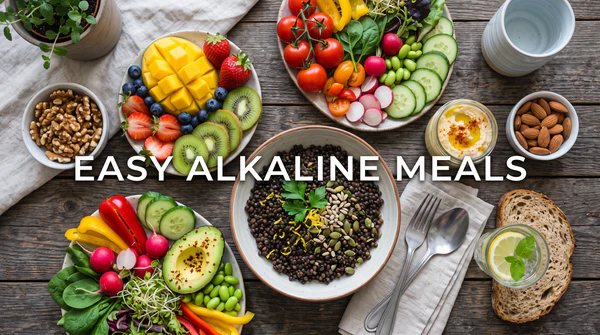
Starting a new eating pattern can feel overwhelming if the meal choices seem complicated or overly strict. The good news is that preparing alkaline meals does not require fancy chef skills or exotic ingredients. At its core, an alkaline-style diet simply focuses on eating more whole plant foods while reducing heavily processed items.
When you plan easy alkaline meals, the main goal is to fill your plate with nourishing choices like fresh vegetables, fruits, beans, lentils, nuts, and healthy fats. Studies suggest that while eating these foods does not change your blood’s natural pH level—which your body tightly regulates on its own—basing your meals on whole plant foods supports overall wellness and provides essential vitamins, minerals, and dietary fiber.
You do not need to make every single ingredient perfectly alkaline to enjoy healthy eating. By keeping your routine flexible and simple, you can build delicious alkaline diet meals that fit smoothly into your daily schedule.
How to Build a Simple Alkaline Meal (The 4-Part Plate Method)
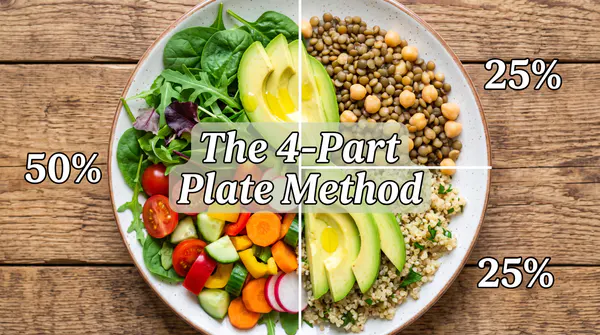
Building a balanced, plant-focused meal does not have to be tricky. Instead of counting complex numbers or checking strict food lists for every single ingredient, you can use a simple 4-part plate framework. This method helps you combine nutritious, whole plant foods that provide fiber, vitamins, and minerals without leaving out important nutrients.
50% Vegetables and Leafy Greens
Fill about half of your plate with fresh or lightly cooked vegetables and leafy greens. Foods like spinach, kale, broccoli, cucumbers, bell peppers, and carrots are rich in dietary fiber, water, and essential minerals like potassium and magnesium. Vegetables provide fiber, vitamins, minerals, and many other beneficial plant compounds. Eating more vegetables is a well-supported part of a healthy eating pattern.
Plant-Based Proteins (Lentils, Beans, Tofu)
Dedicate about one-quarter of your plate to plant-based protein sources. Choices like lentils, chickpeas, black beans, edamame, tofu, tempeh, almonds, and seeds provide steady nutrition. While strict versions of the alkaline diet limit high-protein foods, health experts emphasize that getting enough daily protein is vital for maintaining muscle mass and strength. Including plant proteins helps make your meals more filling and provides important nutrients such as protein and fiber.
Whole Food Carbs and Grains (Quinoa, Brown Rice, Sweet Potatoes)
Fill the remaining quarter of your plate with wholesome, filling carbohydrates. Excellent choices include quinoa, brown rice, oats, wild rice, yams, and sweet potatoes. Although some strict alkaline diet charts label whole grains as acid-forming, health guidelines show that whole grains offer valuable dietary fiber and sustained energy. Keeping whole grains or starchy root vegetables on your plate prevents hunger and keeps your eating plan practical for daily life.
Healthy Fats and Herbs (Olive Oil, Seeds, Avocado)
Finish your meal with a small portion of healthy fats, along with fresh herbs and spices. Drizzle cold-pressed extra virgin olive oil over your dish, top salads with sliced avocado, or sprinkle pumpkin, chia, or flax seeds over your food. Cooking with garlic, ginger, turmeric, cilantro, or lemon juice adds rich flavor without relying on heavy salt or processed dressings. Healthy fats help your body absorb fat-soluble vitamins and keep you feeling satisfied between meals.
Easy Alkaline Breakfast Ideas
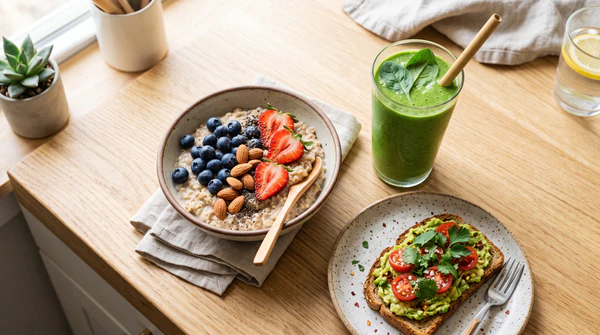
Starting your day with a plant-focused breakfast sets a positive tone for your energy and hydration. Many traditional morning options are heavy in refined sugars or processed breakfast meats. Swapping these for whole plant foods makes it simple to enjoy nourishing alkaline meals right after you wake up.
Here are three easy, beginner-friendly breakfast concepts:
Warm Oatmeal with Fresh Berries and Seeds
Rolled oats provide comforting warmth and plenty of soluble dietary fiber. Top a warm bowl of cooked oatmeal with fresh blueberries, sliced strawberries, a handful of raw sliced almonds, and a sprinkle of chia or flax seeds. Drizzle with a small splash of unsweetened almond milk. This combination gives you steady morning energy without heavy processing.
Refreshing Morning Green Smoothie
Smoothies are one of the quickest ways to pack fresh leafy greens into your daily routine. Blend a handful of fresh spinach or kale with half a banana, frozen mango pieces, a tablespoon of hemp seeds, and unsweetened coconut water or plain water. Green smoothies are a convenient way to add fruits and leafy greens to your diet.
Avocado Toast on Sprouted Grain Bread
Avocado provides rich healthy fats, dietary fiber, and essential nutrients. Lightly toast a slice of whole sprouted grain bread or gluten-free seed bread. Top it with mashed ripe avocado, a squeeze of fresh lemon juice, a tiny pinch of sea salt, and fresh herbs like cilantro or parsley. Adding sliced cucumbers or cherry tomatoes on top adds extra crunch and hydration.
Simple Alkaline Lunch Ideas
Midday meals should keep your energy steady without causing an afternoon slump. Preparing easy alkaline meals for lunch helps you refuel with fresh vegetables, plant proteins, and hydrating ingredients. Whether you eat at home or pack a meal for work, these ideas are quick to assemble and simple to customize.
Here are three balanced lunch options:
Quinoa and Chickpea Power Bowl
Grain and legume bowls are ideal for prepping ahead of time. Combine cooked quinoa with canned chickpeas (rinsed and drained), diced cucumbers, cherry tomatoes, and chopped parsley. Drizzle with extra virgin olive oil and fresh lemon juice. Quinoa provides protein and fiber, while chickpeas add additional protein and fiber.
Crunchy Leafy Green Salad with Seeds
A large fresh salad is a classic way to enjoy alkaline diet meals. Start with a base of dark leafy greens like baby spinach, arugula, or romaine lettuce. Add sliced avocado, grated carrots, sliced radishes, and diced bell peppers. Top with a generous sprinkle of toasted pumpkin seeds or sunflower seeds for healthy fats and crunch. Pair with a simple dressing made from olive oil, fresh lemon juice, and herbs.
Easy Veggie Wraps and Vegetable Soups
When you need a fast meal on busy days, whole grain wraps or large collard green leaves make excellent bases. Fill your wrap with hummus, shredded cabbage, cucumber sticks, grated carrots, and avocado slices. On cooler days, pair your wrap with a warm bowl of homemade vegetable soup made from carrots, celery, zucchini, and low-sodium vegetable broth.
Healthy Alkaline Dinner Ideas
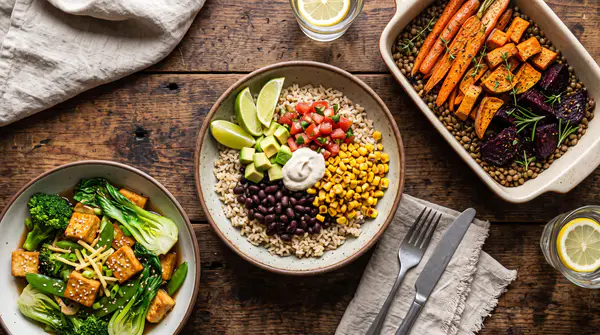
Dinner is often the main meal of the day where families sit down together. Preparing healthy alkaline meals for dinner does not mean making separate, complicated dishes for everyone. By focusing on colorful vegetables, plant proteins, and warm whole grains, you can create satisfying dinners that the whole family can enjoy.
Here are three easy dinner ideas to try:
Oven-Roasted Root Vegetables with Warm Lentils
Roasting vegetables brings out their natural sweetness and comforting flavor. Chop carrots, sweet potatoes, beets, zucchini, and red onions. Toss them lightly in extra virgin olive oil, garlic powder, and dried herbs like rosemary or thyme. Roast in the oven until tender. Serve over a bed of warm brown or green lentils for a hearty, fiber-rich dinner.
Stir-Fried Greens and Tofu with Ginger and Garlic
Stir-fries are fast, simple, and packed with plant nutrition. Sauté cubed tofu in a skillet with a small amount of oil until golden. Add broccoli florets, snap peas, bok choy, and sliced bell peppers. Season with fresh grated ginger, minced garlic, and a small splash of low-sodium tamari or coconut aminos. Serve over warm quinoa or brown rice for a light yet satisfying evening meal.
Family-Friendly Plant-Focused Dinner Bowls
Making a custom dinner bowl allows everyone at the table to choose their favorite toppings. Set out bases like warm brown rice or mixed greens. Offer bowls of warm black beans, diced avocado, roasted corn, fresh salsa, chopped cilantro, and lime wedges. This flexible meal keeps dinner fun, simple, and filled with whole plant foods.
Quick Snacks & Side Ideas Between Meals
Having smart snack choices ready makes it much easier to stick to your routine when hunger hits between main meals. Instead of relying mainly on highly processed snacks, choose foods such as vegetables, fruit, nuts, seeds, or hummus.
Here are quick snack and side ideas to keep on hand:
Fresh Crunchy Vegetables with Hummus or Seed Butter
Raw vegetables provide satisfying crunch and high water content. Keep pre-sliced cucumber coins, celery sticks, bell pepper strips, and carrot sticks in your refrigerator. Pair them with a few tablespoons of homemade or store-bought chickpea hummus, tahini, or sunflower seed butter. This combination offers a balanced mix of fiber, plant protein, and healthy fats.
Fresh Fruit with Raw Nuts and Seeds
Fresh fruits like apples, pears, grapefruits, or berries make sweet and refreshing snacks. Pair your favorite fruit with a small handful (about one ounce) of raw almonds, walnuts, or pumpkin seeds. Raw nuts and seeds provide essential minerals like magnesium and calcium without added salt or roasted oils.
Simple Steamed or Fresh Side Dishes
If you need a quick side dish to round out a light lunch or dinner, try these fast additions:
- A small bowl of steamed broccoli or green beans tossed with olive oil and lemon juice.
- Sliced ripe tomatoes drizzled with extra virgin olive oil and topped with fresh basil leaves.
- Steamed edamame in the pod sprinkled with a tiny pinch of sea salt.
Safety and Nutrition Considerations

While focusing on whole plant foods is generally healthy, making sudden changes to your diet can cause unexpected side effects. Understanding these precautions helps you adjust safely and avoid unnecessary discomfort.
Fiber Adjustments and Digestion
Increasing your intake of fresh vegetables, fruits, beans, and whole grains introduces significantly more dietary fiber into your system. If your body is not used to high amounts of fiber, increasing your intake too quickly can lead to temporary digestive symptoms like gas, bloating, or mild stomach cramping. To prevent discomfort, add high-fiber plant foods gradually over several weeks and drink plenty of plain water throughout the day.
Kidney and Potassium Considerations
If you have chronic kidney disease, your potassium and other nutrition needs may be different. Do not change your diet based on a general alkaline food list. Follow the plan recommended by your doctor or registered dietitian.
Nutritional Gaps and Medical Consultations
Extremely restrictive versions of the alkaline diet that cut out all animal protein, dairy, and whole grains without proper planning can lead to nutritional shortfalls. Over time, this may result in inadequate intake of essential nutrients like protein, iron, calcium, vitamin B12, and vitamin D. An alkaline-style meal plan should never replace prescribed medical care or cancer treatments. Always consult a qualified physician or registered dietitian before making significant dietary changes, especially if you take daily medications, are pregnant, or manage a chronic condition.
Frequently Asked Questions About Alkaline Meals
Conclusion & Practical Next Steps
Transitioning to a plant-focused routine with easy alkaline meals should feel empowering, flexible, and simple. You do not need to follow strict food lists or worry about changing your body’s pH to nourish yourself well. By filling your plate with a colorful variety of fresh vegetables, fruits, plant proteins, whole grains, and healthy fats, you can build balanced alkaline diet meals that support everyday health.
To build out your daily meal plan further:
- Return to our core guide, Alkaline Diet for Beginners, to review the fundamental principles of plant-focused nutrition.
- Explore our detailed sub-cluster guides such as Alkaline Breakfast Recipes, Alkaline Lunch Ideas, Alkaline Dinner Recipes, and Alkaline Smoothie Recipes for step-by-step recipe cards and ingredient measurements.
Remember to make dietary changes gradually, drink plenty of water, and consult a qualified healthcare provider or registered dietitian if you have any pre-existing medical conditions.
11 Sources:
Noble Home Remedies relies on peer-reviewed studies, academic research institutions, and medical associations for accuracy and reliability while avoiding tertiary references. Our editorial policy provides more information about how we ensure our content is accurate and up-to-date.
- Alkaline Diet: Foods High in Alkaline: https://www.webmd.com/diet/alkaline-diets
- Alkaline diet: A scientific review | WW Canada: https://www.weightwatchers.com/ca/en/blog/alkaline-diet-scientific-review
- Alkaline diets: Good for your health or just another fad? – ABC News: https://www.abc.net.au/news/alkaline-diet-health-fact-or-fad/10055714
- CPE Monthly: Cancer and the Alkaline Diet — Making Sense of the Hype – Today’s Dietitian Magazine: https://www.todaysdietitian.com/newarchives/0221p44.shtml
- Debunking Alkaline Diet Myths: https://www.ift.org/food-technology-magazine/diet-and-nutrition-research-alkaline-diet
- Is an alkaline diet better for me? | Canadian Cancer Society: https://cancer.ca/en/cancer-information/reduce-your-risk/myths-and-controversies/is-an-alkaline-diet-better-for-me
- Natural Bone Health with an Alkaline Diet | Better Bones: https://betterbones.com/alkaline-balance/diet-plan/
- Systematic review of the association between dietary acid load, alkaline water and cancer | BMJ Open: https://bmjopen.bmj.com/content/6/6/e010438
- The Alkaline Diet: An Evidence-Based Review: https://www.healthline.com/nutrition/the-alkaline-diet-myth
- What Is the Alkaline Diet, and Is It Safe?: https://health.clevelandclinic.org/alkaline-diet
- FAQ Alkaline Diet: https://www.bccancer.bc.ca/nutrition-site/Documents/Health%20professional%20resources/FAQ_Alkaline_Diet.pdf